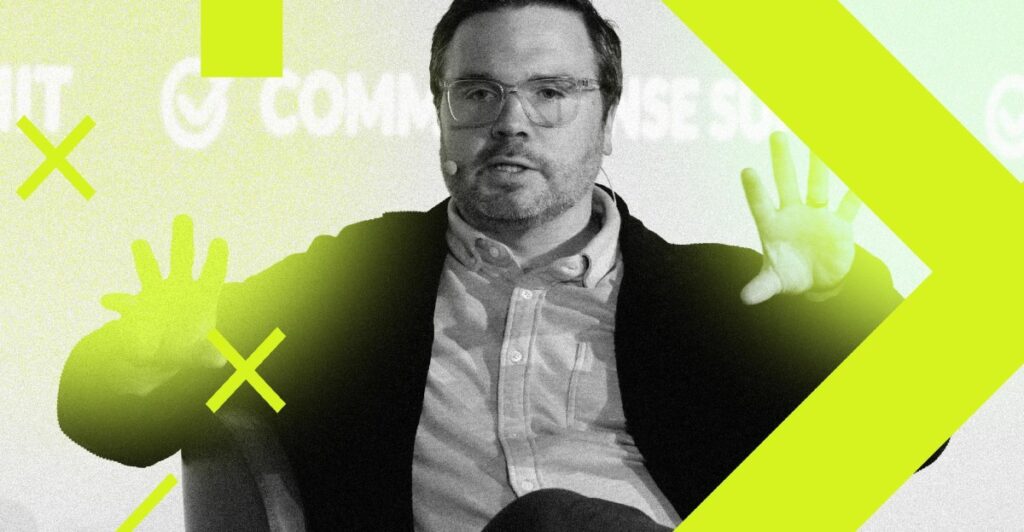
Kevin Roose and Casey Newton have left The New York Times to launch Machine Gods, a new tech podcast and video channel that officially debuted last week.
The pair, formerly hosts of Hard Fork, are now operating as independent creators. Roose, who recently published The AGI Chronicles, describes the transition as moving from institutional reporting to a venture where he holds the title of CEO.
Why the shift from The New York Times to YouTube?
Roose notes that many media organisations remain wary of investing heavily in video platforms. Those that have attempted the pivot often struggle with sustainability or eventually shut down. He argues that structural economic barriers prevent institutions from making long-term bets on video, even though it is currently the most important media platform globally.
According to Roose, journalism occupies a vanishingly small portion of the YouTube ecosystem. His mission involves figuring out how to sustain high-quality reporting on the site while experimenting with new formats.
He points to The Verge, Joanna Stern, and MKBHD as examples of successful video journalism. He believes the space currently faces less competition than text or audio-only podcasts.
Machine Gods as a video-first product
The new podcast is a partnership with NPR, but the team intends for it to be video-first. Roose states they will prioritise the visual experience to give viewers reasons to watch rather than just listen.
They acknowledge that some audiences prefer audio-only content, so the show will remain accessible there. However, the direction is clearly towards video, which has become essential for modern podcasting.
YouTube as a stable foundation
Roose considers YouTube the most stable platform for building a new story. While the site constantly updates features like Shorts and A/B testing capabilities, its core utility remains consistent.
He contrasts this with Instagram, which undergoes frequent and massive changes. Roose argues that replacing YouTube would require a platform to not only offer a better user experience but also replicate the entire visual corpus of humanity, including millions of niche videos from plumbers fixing sinks.
He suggests that YouTube is so ingrained in daily life that it will continue to grow regardless of competition.
The business of being a creator
Roose admits that handling business operations is a new skill for him. Unlike his time in journalism, where he was taught to stay in his lane, he now negotiates insurance quotes for defamation coverage.
While he does not enjoy every aspect of running a business, he finds value in the founder experience. He notes that this shift is happening alongside others in the industry, including Joanna Stern.