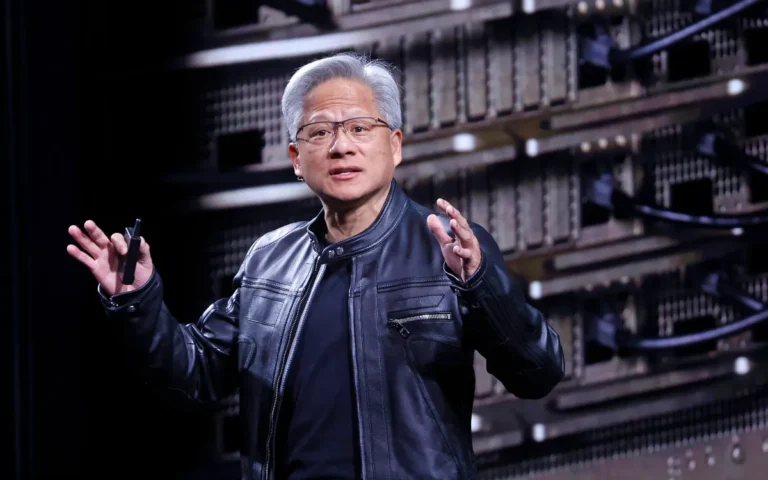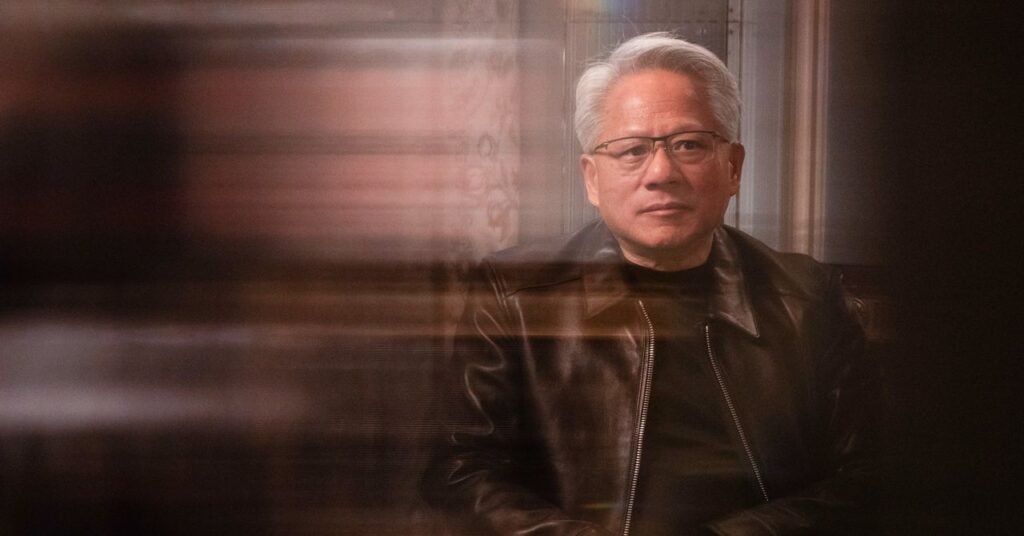
Nvidia reinstated Jensen Huang as CEO on Monday, despite his resignation eleven days prior amid revelations of extramarital affairs involving Alice Huang, a woman US intelligence suspects has ties to China’s Ministry of State Security. The board cited input from senior levels of the United States government as the reason for his return, concluding it posed no national security risk. This decision has drawn sharp criticism from intelligence and export-control experts who warn it signals that the chipmaker has become too vital to the stock market for Washington to hold accountable for security lapses.
Political pressure overrode compliance
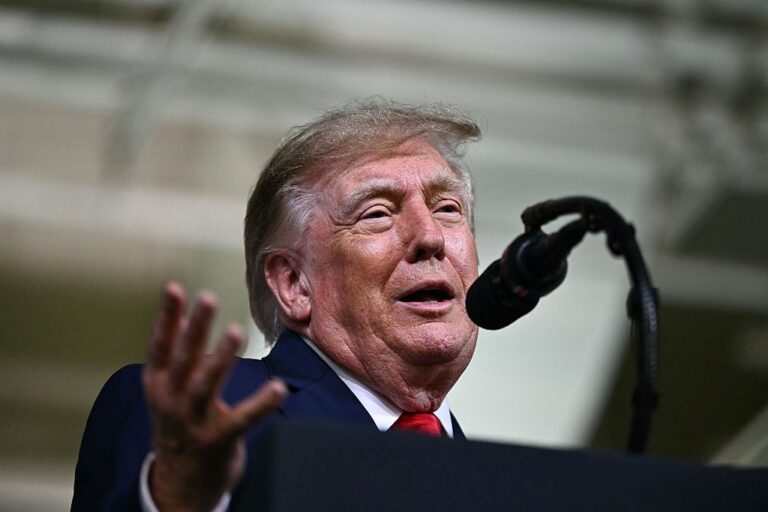
President Donald Trump told The Wall Street Journal he lobbied the board directly and through intermediaries, noting that Nvidia’s falling share price helped his case. The board acted before its own investigation of Huang had concluded. Meanwhile, the Justice Department is pursuing a criminal probe of Megaspeed, a Singapore company Alice Huang once ran, over alleged diversion of Nvidia chips to China. Director of national intelligence Jay Clayton confirmed Alice Huang is also under investigation.
Trump pointed to Nvidia’s rebounding stock when asked about Republican lawmakers who claim Huang’s return endangers national security. Edward Fishman, director of the Council on Foreign Relations’ Maurice R. Greenberg Center for Geoeconomics, told WIRED that some tech companies have become so big and important to the stock market that Washington is reluctant to hold them accountable for national security lapses. He sees a parallel in Wall Street’s slow reckoning with sanctions, noting it took years of aggressive enforcement to get banks to take US sanctions compliance seriously. He argues the tech sector has not seen anything comparable, which explains why US export controls remain so weak and leaky.
Doubts over government assurances
Emily Kilcrease, who now directs the Energy, Economics, and Security program at the Center for a New American Security, says the administration’s record gives little reason to take those assurances at face value. On Monday, the Commerce Department added Megaspeed to its trade blacklist, and the administration has recently moved to tighten rules on China’s AI industry. Kilcrease says it acted only under pressure and asked whether the administration is willing to really enforce the new controls given its poor track record.
Attorney general Todd Blanche allegedly told Trump and vice president JD Vance that Huang was neither a target nor a subject of any department investigation and that the department had no evidence he had broken the law or posed a national security risk. Vance reportedly sought assurances for the board that the administration did not consider Huang a threat and that he would not face criminal charges. Trump told the Times he also consulted Clayton before pushing for Huang’s return, stating he could not have someone indicted suddenly.
Nvidia did not immediately respond to WIRED’s request for comment. Whether Huang broke any laws is a separate question from whether Beijing gained anything through him. Jessica Brandt, a senior fellow for technology and national security at the Council on Foreign Relations, asked lawmakers to press on whether the assurances reflected a counterintelligence damage assessment by the intelligence community or the FBI, or were political in nature.
The value of access
Sunny Cheung, a China studies fellow at the Jamestown Foundation, noted that senior officials may have seen intelligence that isn’t public, but we still do not know who provided those assurances, what evidence they reviewed, or how they reached their conclusion, particularly when Nvidia’s own independent investigation remains unfinished. At a briefing this month by CIA director John Ratcliffe and Clayton that was scheduled to cover Iran, lawmakers pressed for answers about Huang, and the responses left some of them puzzled, according to the Times. A follow-up briefing for senior national security staff was postponed.
Cheung said the Ministry of State Security may not have needed Nvidia’s secrets to profit from the relationship. From a counterintelligence perspective, he said people are too focused on whether Jensen handed over trade secrets. China’s Ministry of State Security would not necessarily need Nvidia’s next-generation chip blueprints to benefit from access to him. Insight into Huang’s direct conversations with the president, senior officials, and other top tech executives, along with his views on China and Taiwan and his role in Washington’s export-control debate, could already be extremely valuable to Beijing.
Brandt sees the same mix of risks. Information about Nvidia’s proprietary chip designs could help China advance its own chip design efforts. Insight into Nvidia’s conversations with the White House and Congress could help Beijing anticipate where US export control policy is headed. Investigators should also ask whether Alice Huang compromised Huang’s devices, what security clearance he held, and whether he still holds it.
Supply chain and influence
Huang successfully lobbied the Trump administration to roll back restrictions on Nvidia’s chip sales to China and negotiated a deal giving the US government a 25 percent cut of sales of certain chips approved for export there, the Times has reported. In April, minister of state security Chen Yixin made overcoming the blockades that limit China’s access to key technologies like AI a sixth core mission for his ministry, known as the MSS. Alice Huang’s network of chip-buying companies lines up precisely with that mission, Matt Pottinger, who served as deputy national security adviser during Trump’s first term, told the paper.
Peterson said a further question is whether Alice Huang was tasked by Chinese intelligence to influence Jensen Huang’s views or approach to US export restrictions on China, and if so, to what extent she succeeded. The Journal also reported that the intelligence is inconclusive on whether she was actively tasked to collect information on Huang. Cheung said whether any such information was obtained or influence exercised remains unproven.
Megaspeed’s purchases are better documented. A Malaysian subsidiary bought at least $4.8 billion worth of equipment containing Nvidia chips between June 2024 and February 2026, according to trade records the Times reviewed. Its subsidiaries have also served Chinese clients, including Alibaba. US intelligence indicates Alice Huang was in contact with an MSS officer from spring 2025 until this fall, and that her business partner, Kang Wei, also worked with the agency, the paper reported Sunday. Her network has been linked to efforts to supply Nvidia chips to China’s state-owned military contractors. Enough has been reported to suggest that Huang, wittingly or not, may have played a role in helping Megaspeed as it sought access to advanced Nvidia chips, Kilcrease says.
Megaspeed did not immediately respond to a request for comment. Nicholas Eftimiades, a former CIA and Defense Intelligence Agency officer who teaches homeland security at Penn State Harrisburg, said Huang himself poses no security risk. Now that the relationship is public, he said, Huang has little chance of unwittingly passing along more information about US government policy or Nvidia’s board deliberations. Peterson agreed that scrutiny from Nvidia’s board, its compliance staff, federal agencies, and Congress likely limits any further exposure. But she said we are still in the dark as to whether any sensitive information may already have been compromised, or whether any resulting harm can be identified or mitigated.
Leadership vs security
Huang’s defenders have repeatedly noted that he never received a defensive briefing, a warning the government sometimes gives Americans whom foreign intelligence services target. Nvidia’s board said its investigation will continue with Huang’s cooperation, and the company is searching for a chief compliance officer. A committee of independent directors is examining whether Huang shared corporate or national security information with Alice Huang. The board has also formed a new committee of independent directors to oversee trade compliance and national security risks.
Peterson said the company’s leadership matters. Nvidia is an exceptionally important company, and there are legitimate arguments about the implications of losing its leadership at a critical moment in the global AI race. But she said those considerations should not determine the conclusions of national security investigations.
Trump told CNBC Monday that keeping the United States ahead of China made reinstating Huang imperative. If we didn’t do this, I could see China coming in and saying to Jensen, Hey, how would you like to come to China? he said.
What it means
For people making things, the immediate change is uncertainty. US warnings about China’s technological ambitions may land less effectively with companies and foreign governments. Brandt said this erodes the credibility of US government warnings about China’s technological ambitions and how far it will go to achieve them. We risk making a hard problem harder: emboldening Beijing while weakening our own defenses.