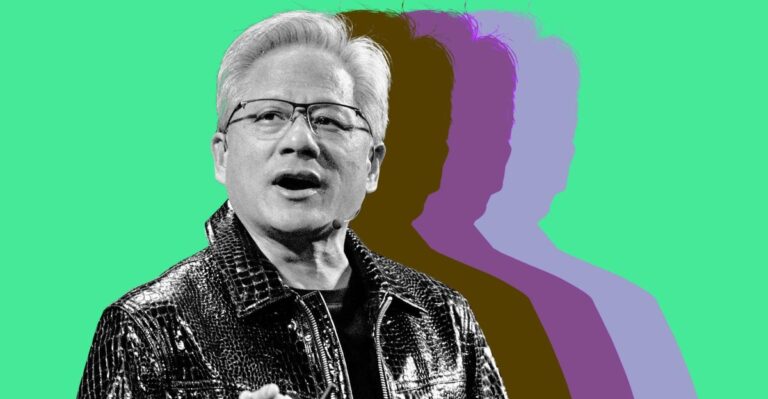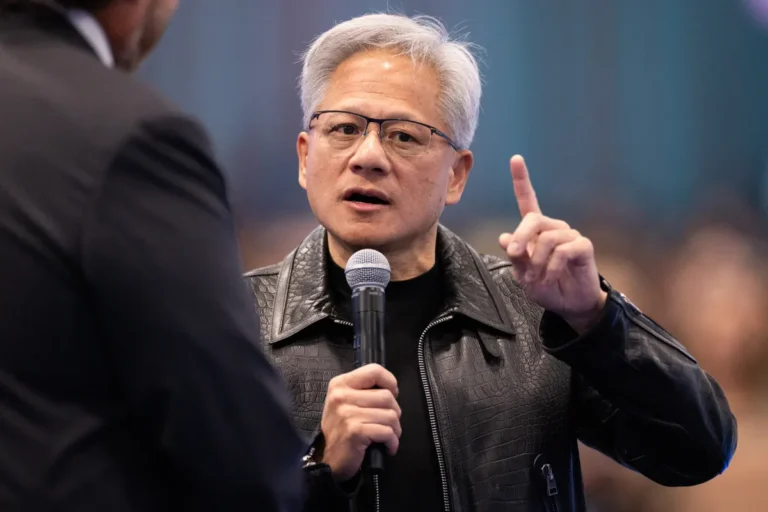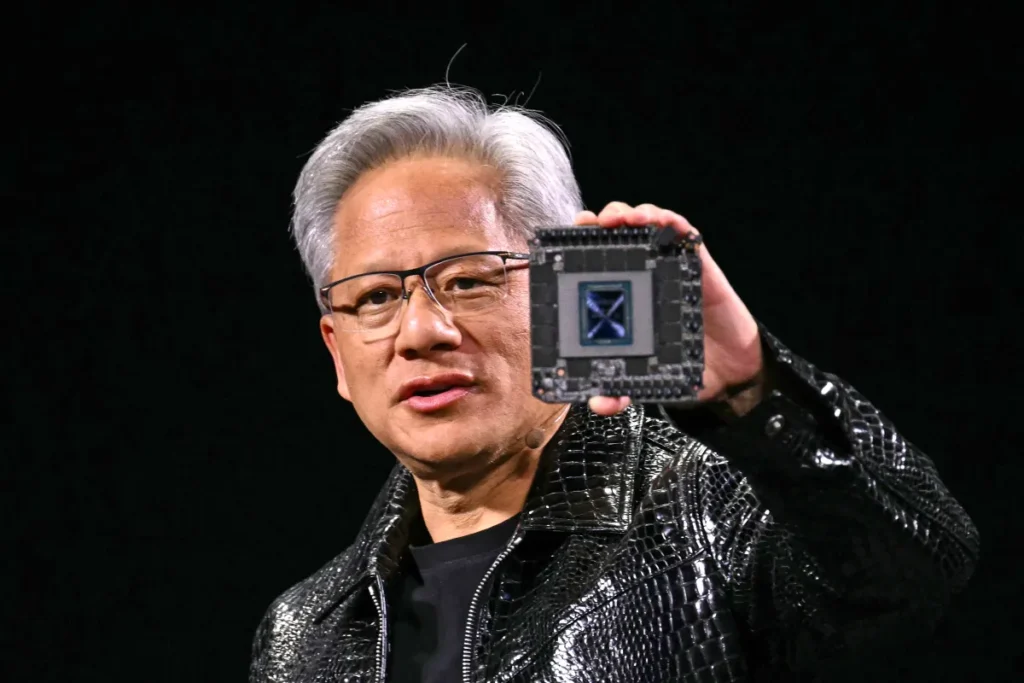
Jensen Huang, the CEO of Nvidia, opened his first all-hands meeting since returning to the company he co-founded with discussions on remorse, therapy, and the organisation’s code of conduct.
Staff were told that the firm does not require a succession plan because of its unique business model. Huang argued that such a plan would create unnecessary hierarchy. This stance comes after investors and analysts expressed concern earlier this month when Huang resigned as CEO following an admission of extramarital affairs with at least two people, one of whom the US government suspects is a Chinese spy.
Nvidia operates as a flat organisation. It lacks the swath of C-suite executives and multiple layers of management found in other large corporations. Huang sits at the top with about 60 direct reports. The company has just five executive officers running the show, including Huang. The other four are CFO Colette Kress, who served as interim CEO for 12 days; Ajay Puri, who heads worldwide field operations; Debora Shoquist, executive vice president of operations; and Timothy Teter, executive vice president and general counsel, according to regulatory filings.
Huang has previously defended the company’s structure in numerous interviews, including one in March with podcaster Lex Fridman.
“When you’re designing a company, you should first think about what is it that you want the company to produce,” Huang said in the interview. “You know, I see a lot of companies’ organization charts, and they all look the same. Hamburger [company] organization charts, software organization charts, and car company organization charts. They all look the same. And it doesn’t make any sense to me. You know, the goal of company is to be the machinery, the mechanism, the system that produces the output. And that output is the product that we like to create.”
Whether Huang’s comments to staff and his previous remarks on succession are enough to assuage the board or shareholders over the long term remains uncertain.