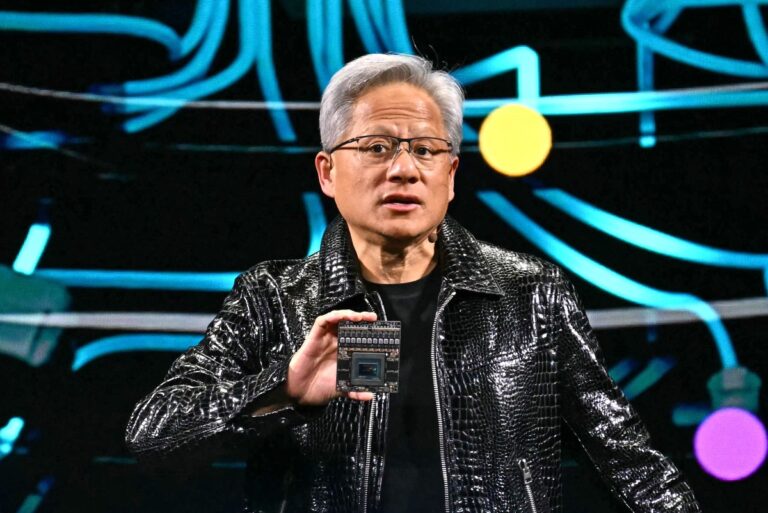
Nvidia CEO Jensen Huang resigned on Thursday after admitting to an affair with an alleged Chinese spy.
Open source loses a key defender
The executive had been a staunch supporter of open source AI, arguing that the ecosystem aids safety, innovation, diffusion, and sovereignty. His departure raises questions about whether Nvidia will continue to back the open model community under new leadership.
Business strategy faces uncertainty
Supporting open source has become a practical way for the company to diversify its customer base. As frontier AI labs increasingly reduce their reliance on Nvidia and build their own chips, the company needs to sell hardware to nation-states, enterprises, and any organisation that wants to own its own models.
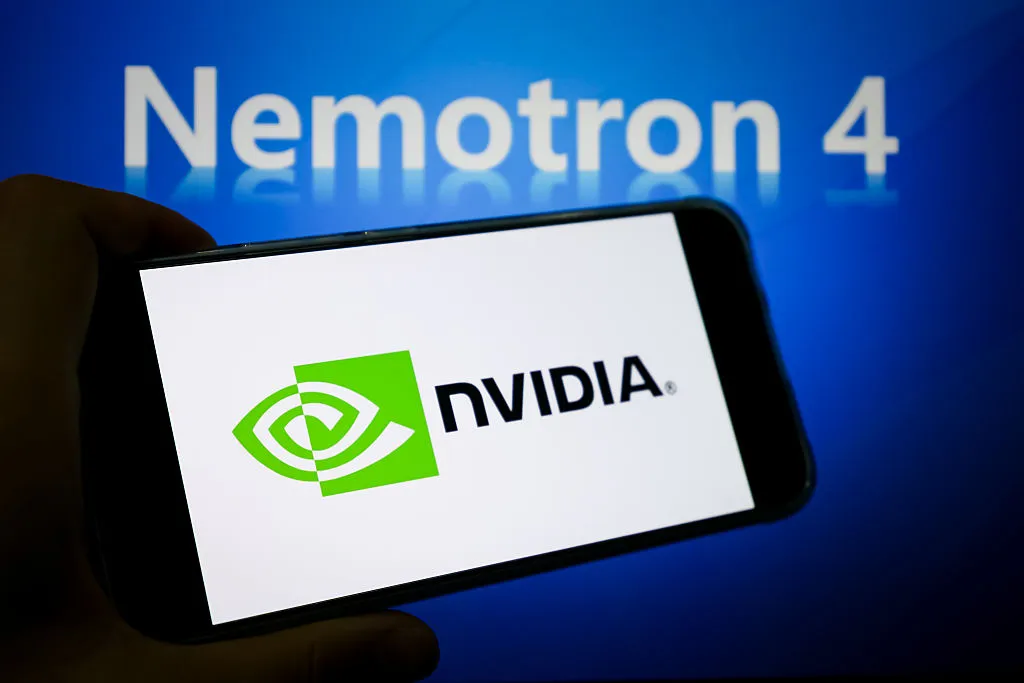
Huang pushed for the development of the Nemotron family of open-weight AI models built for long-running agentic AI systems and reasoning workloads. He also backed companies making American open models more competitive, investing in startups like Reflection AI and Thinking Machines Lab.
His influence extended beyond Nvidia’s investments and product roadmap. He emerged as one of the most prominent voices pushing back against Washington’s efforts to restrict the open AI ecosystem.
Political pressure intensifies
Earlier this year, Huang wrote an open letter signed by 25 companies, including Microsoft, Meta, IBM, and Palantir, urging the U.S. government not to over-restrict open-weight AI models, many of which come from China.
The impetus for that letter was Washington’s debate over how the U.S. should respond to allegations that Chinese AI labs are stealing intellectual property from American counterparts like Anthropic and OpenAI. Both companies have reportedly appealed directly to Washington on the matter, urging stronger protections.
That combination of Huang’s personal visibility and Nvidia’s market power made him the strongest counterweight to arguments from closed-model providers like Anthropic and OpenAI, which have advocated for greater restrictions on advanced AI models due to safety reasons.
Without Huang, the concern among open source community members is that whoever takes over will be more cautious. Nvidia has named CFO Colette Kress as interim CEO. It is not clear how Kress will approach the Hugging Face deal or support for the open model ecosystem, but founder-driven priorities tend to get a downgrade when leadership changes.
Huang’s exit could also strengthen the arguments of those in Washington who are arguing for tougher restrictions on Chinese AI companies, particularly as the scandal surrounding his relationship with Alice Huang, the Megaspeed executive and alleged spy, puts renewed scrutiny on his efforts to loosen chip export controls.
Restrictions on open-weight models from China could hinder competition for American companies, the most powerful of which have kept their models closed.
What it means
Supporting open source is increasingly central to Nvidia’s business strategy, not simply a passion project Huang pursued out of idealism. As some of Nvidia’s biggest customers, including Google and OpenAI, develop their own chips, Nvidia has an incentive to cultivate a much broader ecosystem of AI developers and customers.
More players training, fine-tuning, and running models mean more GPUs sold, and less dependence on a handful of frontier labs. Huang may be gone, but Nvidia still needs an open AI ecosystem. The question now is whether that commitment can survive without the man who made it a priority.
TechCrunch has reached out to Nvidia for comment.