Jensen Huang has returned as chief executive of Nvidia after resigning due to allegations of multiple affairs, including one with a subordinate and another involving a woman connected to Chinese intelligence services.
The market reaction was immediate. Share prices for the chipmaker and related neoclouds like CoreWeave and Nebius have surged, while the Nasdaq rose 7% on Monday. The reinstatement has lifted spirits across the industry, which relies heavily on Nvidia’s infrastructure.
Optimism should be tempered. President Trump has stated that the US government found no national security issues arising from the scandal, yet broader concerns remain difficult to dismiss. His intervention may cause more damage than good for Nvidia and its partners. The current situation is likely only the start of further complications.
Questions about China exports
Significant doubts persist regarding how restricted Nvidia chips were smuggled into China and the extent of the company’s knowledge. While some defenders question whether Alice Huang was a spy, evidence shows that limited chips flowed through her firm. The New York Times reported this weekend that Alice Huang maintained contact with a member of China’s Ministry of State Security during the same period she was having an affair with Jensen Huang.
With Democrats now controlling Congress, including the House Oversight Committee, they have mechanisms to force answers. Nvidia’s role in violating US export controls would have warranted a prolonged investigation regardless of Huang’s status. His return means any new revelations will damage both the company and the individual.
The pardon itself
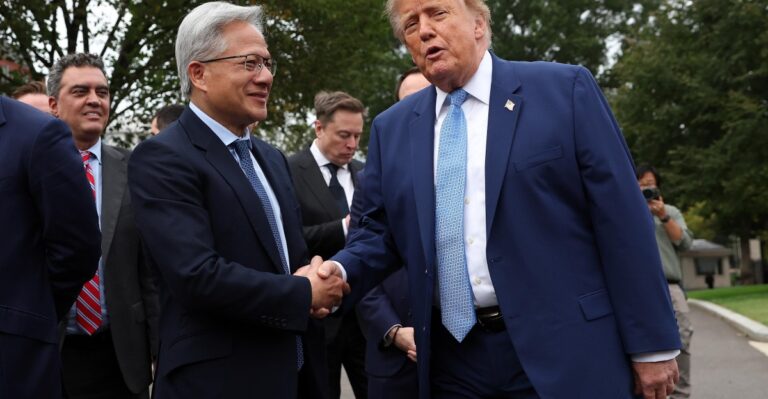
The presidential pardon is unprecedented in American history. It is rare for a sitting president to intervene to clear a CEO accused of being a national security risk. Pressing the Department of Justice to exonerate Huang would have been scandalous, but calling the Nvidia board went further. Huang has donated $25 million to Trump’s ballroom project, leading to claims that the president acted on behalf of a donor by setting aside national security risks.
Investigative powers return
Democrats have regained control of Congress with full investigative authority. Even without the power to fire Huang or remove Trump, they will pursue unanswered questions. Did the Department of Justice conduct an inquiry into criminal behaviour, or did Trump decide alone? Were there official intelligence assessments available for a subpoena?
Investigators will focus on Commerce Secretary Howard Lutnick, who oversees export controls and holds significant financial ties to the industry through his firm, Cantor Fitzgerald.
The coming year will likely involve a steady drip of embarrassing revelations from Congress. Trump will continue to lash out, often worsening the situation. A statement to CBS, which defended Huang in racist terms while accusing him of treason, serves as an early example. The most successful tech company of the last decade will be central to this turmoil.
The board likely foresaw this scenario when removing Huang two weeks ago. The cost of his removal has increased with an open letter from employees and partners, a drop in stock prices, and direct presidential intervention. However, nothing has lowered the cost of keeping him, and the difficult situation the board anticipated remains in place.
What it means
For Nvidia, this means a year of intense political scrutiny and potential legal fallout. The company must navigate congressional investigations into export violations while managing the reputational damage of its CEO’s return. For the wider industry, it signals that high-level political interference in corporate governance can create long-term instability, regardless of immediate market gains.