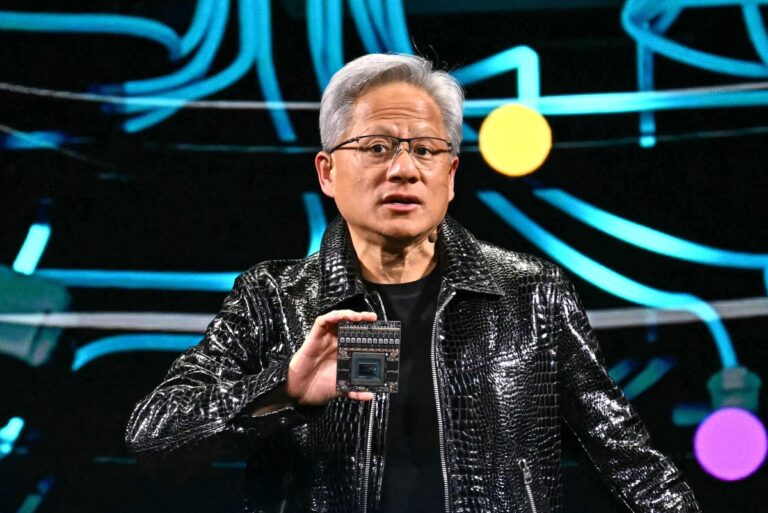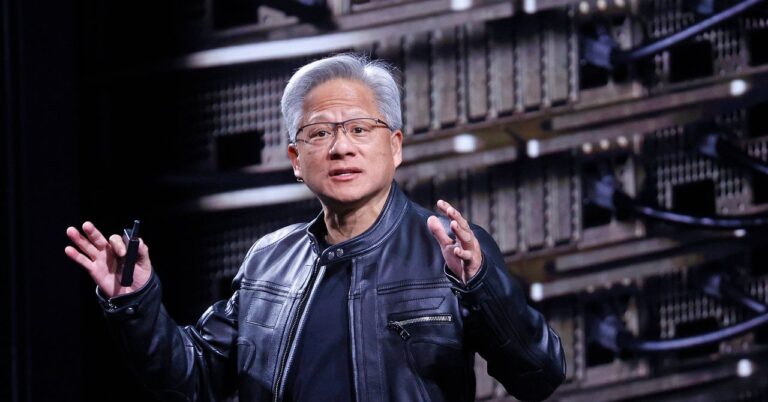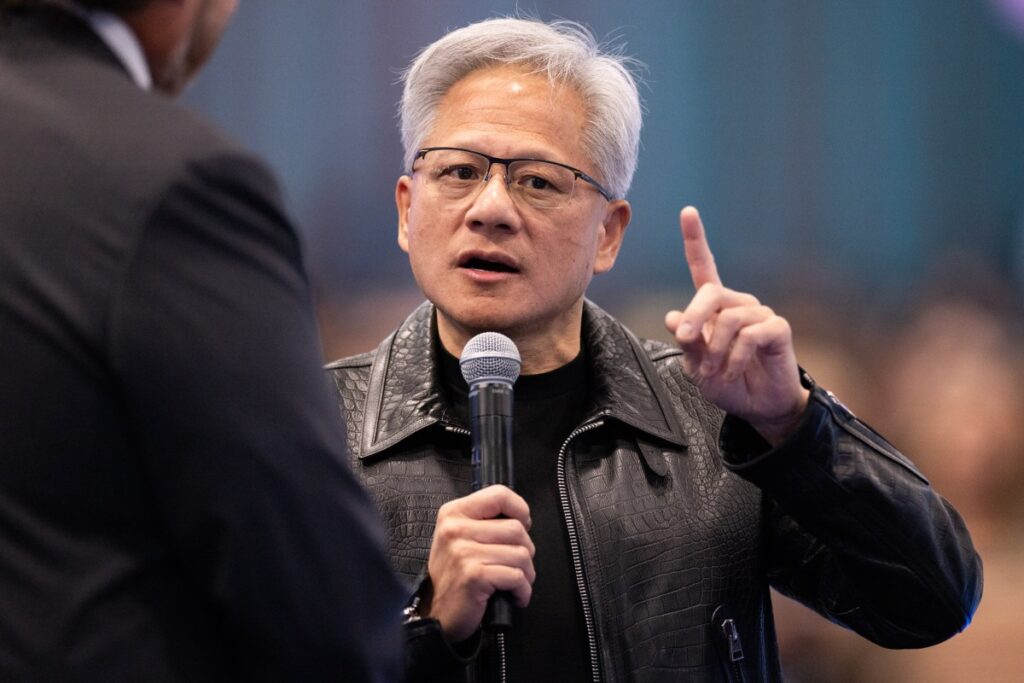
Nvidia board member Collette Kress has taken over as interim chief executive after Jensen Huang resigned on Thursday.
The departure follows a board investigation into Huang’s conduct, which emerged after reports surfaced of an affair with a former executive at Nvidia customer Megaspeed. That individual is alleged to have connections to Chinese intelligence. A second affair was reported involving another Nvidia executive shortly after.
These reports accelerated a situation that had been simmering for nearly a year. Intelligence circles and government officials, including Donald Trump, had received warnings about the relationship with the Megaspeed executive. The board had previously expressed faith in Huang despite an initial inquiry into the matter.
Rebecca Bellan, a host on TechCrunch’s Equity podcast, noted the shock of the event. She stated she did not believe the resignation would happen at all. She added that the fact Huang stepped down felt like a restoration of faith in humanity, contrasting his reaction with how an Elon Musk might have handled similar pressure.
Tim De Chant, another host, predicted the outcome but not the speed. He expected the process to take at least a few more days.
Anthony Ha, the third host, remarked that a week prior he viewed Huang as occupying the same unique category as Musk, noting the scale of Nvidia’s success. He highlighted that Huang is the biggest shareholder, has family members working at the company, and that no succession plan existed for his sudden exit.
Kress is a longtime board member. Her appointment as interim leader suggests a focus on managing expenses while the company figures out its next steps. Ha described the move as a caretaker appointment rather than a long-term leadership solution.
The core issue driving the scandal involves Huang’s advocacy for loosening chip exports to China. Critics argue this creates a national security risk by allowing Chinese AI companies access to powerful hardware that could threaten American interests.
Bellan suggested Huang prioritises selling chips to anyone regardless of security implications. She stated he does not need a woman to tell him this is the case.
De Chant pointed to November 9 as a turning point. On that Monday, a Bloomberg report suggested Nvidia’s head attorney was inquiring about the Department of Commerce’s investigation into Alice Huang. He noted a subsequent shift within the government or board, indicating a realisation of how far the issues extended beyond a simple affair.
The fallout raises questions about Nvidia’s future role in the AI sector. Under Huang, the company invested heavily in AI startups and provides infrastructure for major projects. This includes funding for CoreWeave, Nebius, OpenAI, and Anthropic, alongside significant data centre commitments.
Nvidia holds roughly 80% of the AI GPU market. The company reported $99 billion in investments and another $25 billion in commitments. It also has $36 billion in cloud service commitments. Bellan asked what happens to this ecosystem without Huang leading it.