Google’s new voice features for Gemini Live promise to remove the need for users to decide between Spark, Daily Brief, or a quick inbox search. The company states that the updated app will handle various tasks through voice commands. However, the branding for each Gemini feature undermines this promise.
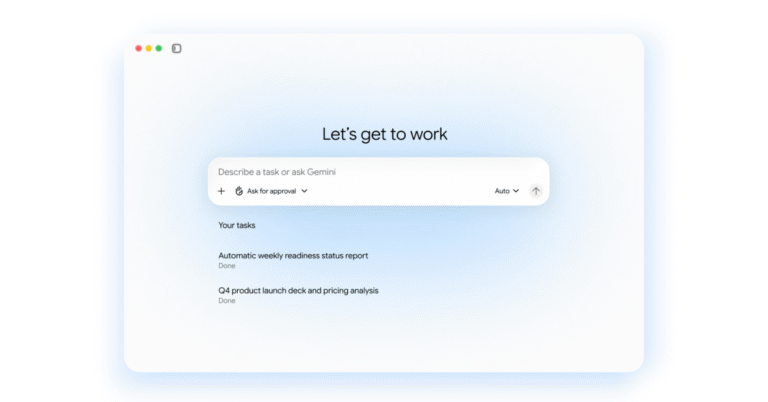
Inside the Gemini app, users must switch between chat, Spark, and Daily Brief. Each option has its own icon and position in the navigation menu. This clutter suggests the product still struggles to identify a single killer feature.
Daily Brief feels engineered rather than useful
The Daily Brief feature appears designed for an AI engineer rather than an everyday user. It acts as an agenda offering proactive, personalised updates by pulling data from Google apps such as Gmail and Calendar. In practice, the Brief cannot distinguish between urgent, actionable information and unsolicited nudges. The system might prompt you to continue research you started in the chatbot or resurface prior Google searches.
This second function does not feel helpful. It feels intrusive. Imagine researching college scholarships or animal rescues on Google. You do not want an AI to tap you on the shoulder about those topics later.
Spark is useful but needs to disappear as a brand
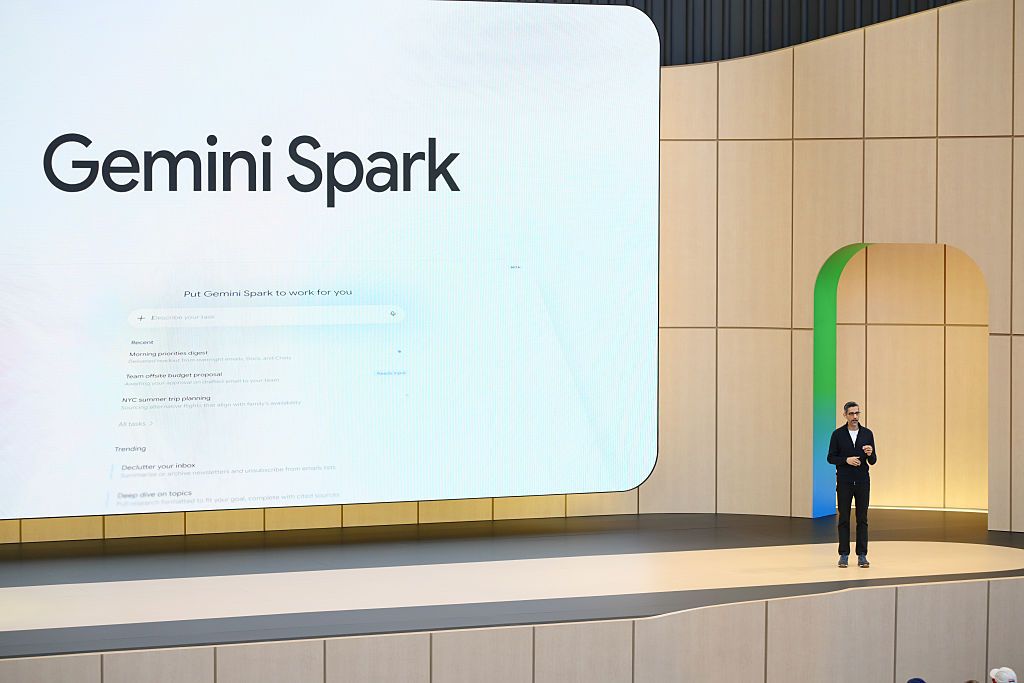
Spark presents the opposite issue. It is one of the more useful aspects of the Gemini app. This AI agent can take action on your behalf. Google has packaged it as a standalone brand, which is unnecessary.
Internally, Google engineers may wish to join the Spark team. That is fine. A mainstream user does not need to determine which side of the AI app they must use for a specific task. They should type a request and let the AI decide how to handle it. The system should spin up an agent if the task requires one.
The wider industry exposes its internal architecture
This problem extends beyond Gemini. The AI industry at large seems to expose its internal architecture directly to consumers rather than hiding it behind a simpler interface.
Users currently must decide whether to chat with Anthropic‘s Claude or cowork with its help. Until this week, those two modes inside the Claude app did not even share a memory of past conversations. ChatGPT requires users to swap between Chat and Work. This engineering-minded design makes engaging with AI feel unnatural. Consumers are asked to learn brand names for what are essentially interaction modes or surfaces powered by a company’s AI model.
Apple’s approach may win over consumers
This may explain why Apple’s somewhat anticlimactic approach to Siri could ultimately win over consumers. iPhone and Apple device owners do not have to change any existing behaviour to take advantage of it. Apple simply makes apps and features that people already use smarter. These include Spotlight Search, the Photos app, the iPhone’s Camera, and Siri voice requests. The company does not ask users to learn a new interface.
The same principle explains the rise of text-based AI services. Users simply text a chatbot such as Poke, Ollie, Lindy, Orchid, Lucas, Folk, Tomo, or Instinct. The assistant just does what is asked.
Text messaging is a clean and simple, well-understood user interface. It does not require extra mental effort to figure out which feature or product inside a larger app you are supposed to use.
Justine Moore, an investment partner at a16z, recently wrote that people do not want to open an app every time they need help. They want a contact they can text like a friend. She added that the gold standard is iMessage.