Google has filed for a patent to build a 24/7 television channel where the viewer is the main character. The system would use personal data to generate custom shows and insert advertisements directly into the content.
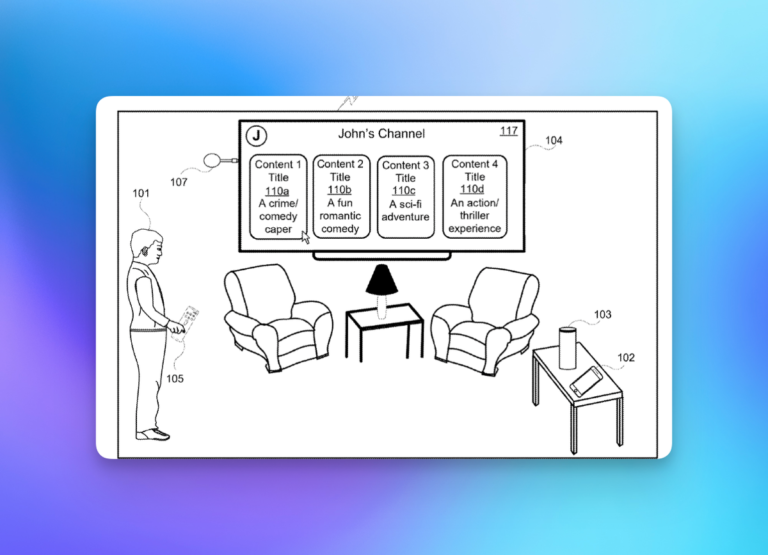
The filing, titled “creating a channel of video experiences tailored to a user,” is one of many patents tech firms file that never become products. However, it describes a specific vision for “My Channel.” This service would pull demographic details, YouTube watch history, and other user data to construct a narrative. The patent explicitly states the goal is to make “the user as the protagonist for the whole video.”
Patentlyze, a site tracking corporate patents, identified the document and shared it with 404 Media. A hypothetical prompt included in the text instructs a video generation model: “Generate a customized video for a user where the user will play the protagonist.” The instructions specify that the output must match the user’s preferred genres and style while following a narrative customised for them.
The patent links this channel to an advertising server. It describes a mechanism where an “advertising stitcher” inserts commercial breaks into the generated media. The text notes that the system would generate updated content items by adding at least one advertisement into the stream.
Examples in the filing include a crime comedy, a romantic comedy, a sci-fi adventure, and an action thriller. In one scenario, a user named “John” stars in the action thriller. Another prompt suggests serving a cricket fan a video featuring elements of the Cricket World Cup and a specific player. The user might appear cheering for India in the stands or interacting with the player.
This proposal is a logical extension of current trends in social media and free streaming. Platforms like Samsung TV Plus and TCLtv+ already offer free channels with highly specific lineups. Some services now run reruns of individual shows continuously. Advertisers on Meta already use AI to create multiple versions of an ad, targeting specific users with the version most likely to elicit a reaction.
TCL has experimented with AI-generated content on its streaming channels. The Google patent moves this further by making the content itself reactive to the viewer. This aligns with long-standing claims from AI proponents that the future of entertainment involves everyone generating their own shows or new episodes of existing properties.
The patent arrives shortly after a Microsoft filing described a system that alters spoken words and lip movements in live video. Both documents point toward a future where media is increasingly siloed. The vision is one where everyone consumes their own reality, making shared, unifying cultural moments harder to produce.
What it means
For people making content, this signals a shift from creating for an audience to creating for a single algorithmic profile. The work would focus on generating endless variations of a specific persona rather than broad appeal. Advertisers would no longer just buy slots; they would buy the ability to inject their message directly into a narrative where the viewer is the hero.