Overview of Google’s New Avatar Feature in Flow
A recent announcement at Google I/O has introduced a new “avatar” feature within the Flow tool, which allows users to generate and remix AI videos. The feature is available as part of the Omni Flash model, succeeding previous models like Veo.
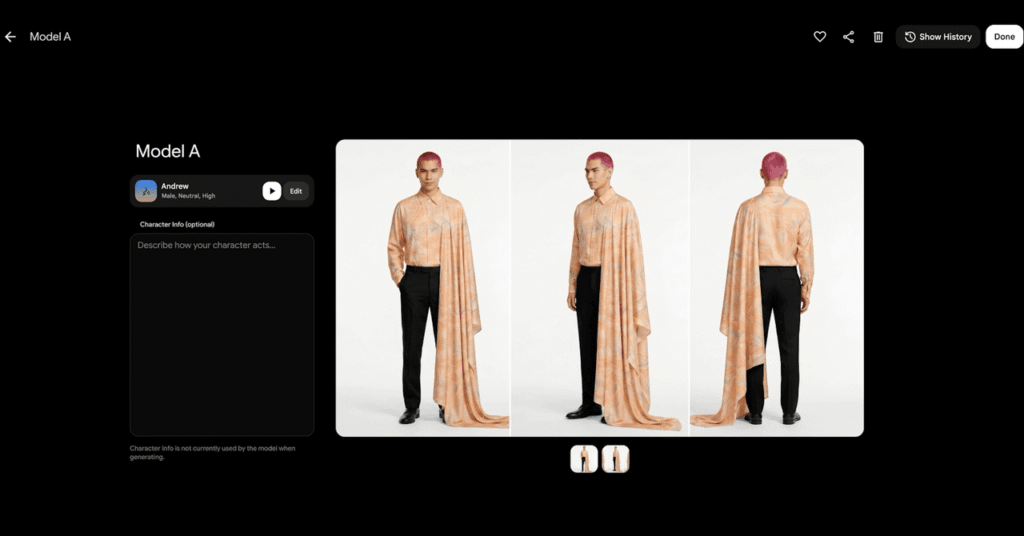
Previously, users could create digital clones of themselves using this tool. Now, they can insert their own likeness into any AI-generated video clip. This capability was previously seen in apps such as OpenAI’s Sora, which allowed people to generate and share clips of themselves within the app.
The key difference here is that Google has made it easier for users by allowing them to capture a digital version of their self-image through the Flow account settings. Users need to scan a QR code on their phone, record themselves saying a string of numbers, and move their head around to ensure every angle is captured.
Key Features of Google’s Avatar Feature
- Captured Self-Image: Users can now generate AI versions of themselves within the Flow tool. This feature is made available through the Omni Flash model, which has improved video generation with richer detail.
- Consistent Characters: The new avatar feature in Flow allows for more consistent characters across successive video generations, overcoming a previous weakness where created characters could change during subsequent iterations.
- User-Controlled Selfies: Users can now create AI versions of themselves and insert them into any generated video. This is made possible by Google’s initial focus on allowing users to generate AI versions of their own selves, rather than other people’s.
Furthermore, the Omni Flash model ensures that every video generated with this feature includes a SynthID watermark, providing transparency about its generative nature. This is in contrast to earlier versions where such watermarks were not present.
Context and Significance
This new avatar feature in Flow represents Google’s effort to integrate AI tools into the creative workflow of users, making it more accessible for a broader audience. The feature is part of larger initiatives within Google I/O aimed at introducing AI agents that can execute tasks based on natural language prompts and vibe coding.
Comparison with Other Platforms
- Sora App: OpenAI’s Sora app was a predecessor to this feature. It allowed users to generate and share clips of themselves, but it was shut down after less than seven months due to concerns about authenticity.
- YouTube Shorts: YouTube Shorts recently introduced a similar AI avatar feature that users can insert into their own clips on the platform. This indicates how other Silicon Valley companies are exploring ways to leverage generative AI for content creation, such as Meta’s language translation feature for Instagram Reels.
While these tools simplify aspects of the content production pipeline for creators by enabling them to generate videos more easily without needing to physically capture their likeness in person, they also raise ethical concerns about authenticity and user trust. As generative AI continues to evolve, it will be crucial for platforms like Google and others to address these issues to maintain public confidence.
Key Takeaways
- The new avatar feature in Flow allows users to generate AI versions of themselves within the tool.
- This capability is enabled by the Omni Flash model, which provides richer detail for video generation compared to previous models.
- Users can now insert their own selfies into any generated video clip through this new feature, making it easier and more accessible for a broader audience of creators.