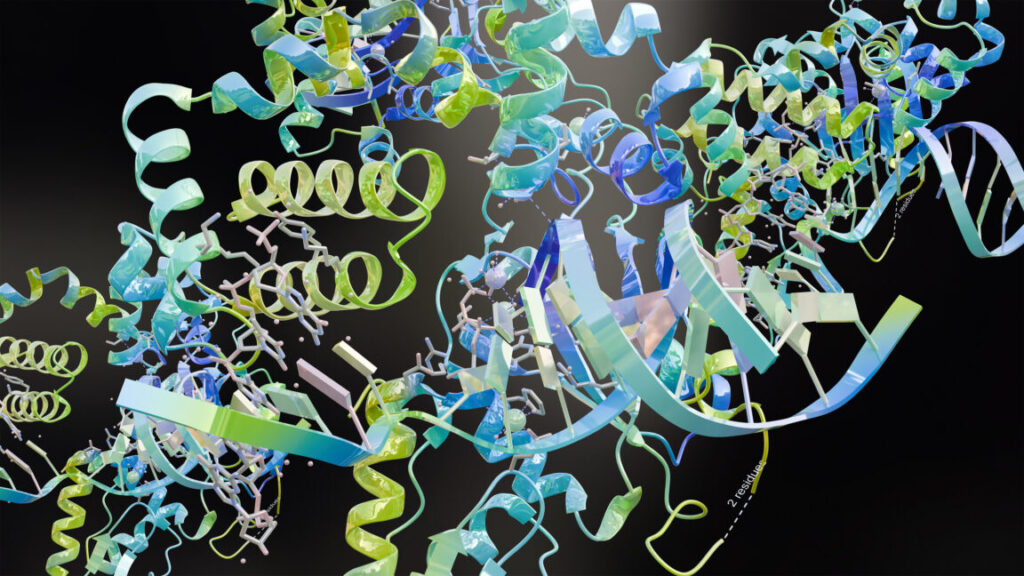
Google engineers have developed a method to embed digital watermarks within AI-designed proteins, addressing a specific gap in biosecurity monitoring. Current software used to identify dangerous DNA sequences fails to detect proteins generated by artificial intelligence because these synthetic structures lack the known biological signatures of natural threats. The new approach assigns unique identifiers to the genetic code during the design phase, allowing researchers to trace the origin of any protein once it is synthesised in a laboratory. This technical fix directly counters the risk that sophisticated AI tools, currently capable of creating enzymes for plastic digestion or blocking venom, could be misused to manufacture toxins or alter viral behaviour without detection.
The significance lies in preventing the unregulated entry of unknown biological agents into global supply chains. Without this verification step, a malicious actor could release a synthetic pathogen and claim it was a natural discovery, complicating containment efforts. The watermark provides an immediate forensic trail that distinguishes synthetic creations from wild-type organisms.