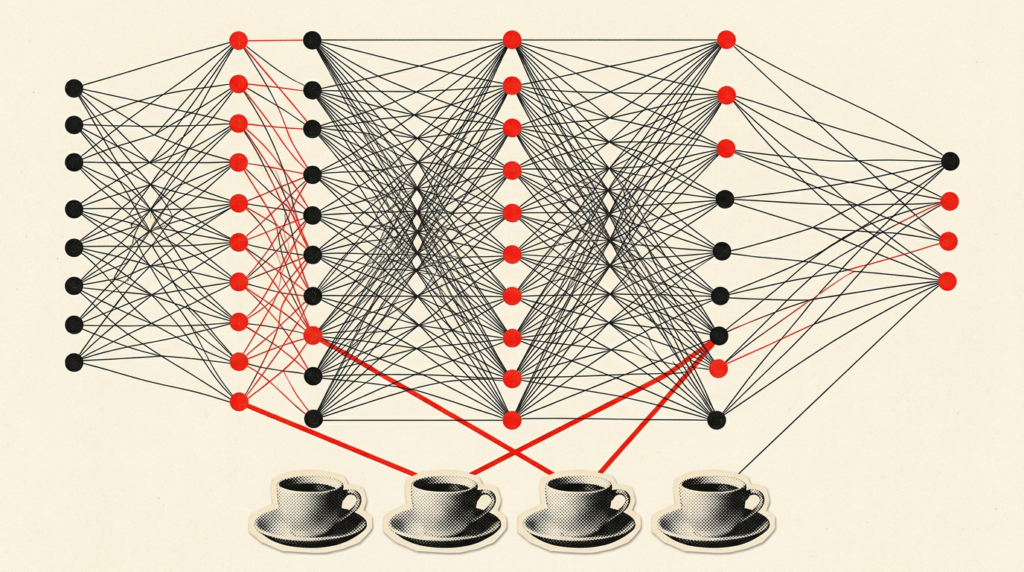
Google Deepmind has launched “Humanity’s First Exam” to measure AI reliability rather than peak performance. Early results indicate that while top models can solve nearly every task family at least once, no model stays error-free across all repeated runs and variations. This benchmark contrasts with the well-known “Humanity’s Last Exam,” which uses highly complex tasks to test maximum capability instead of consistency. The new test specifically targets simple everyday actions that humans perform daily without thinking, such as ordering a coffee or sending a text message. Under repeated conditions, even advanced systems struggle to maintain accuracy when the same task is attempted multiple times. This approach highlights a gap between theoretical success rates and practical dependability in real-world scenarios.
The distinction matters because reliability determines whether an AI tool can be trusted for critical daily operations. If a system fails repeatedly on basic functions, it cannot serve as a stable foundation for broader applications. Engineers now have a clearer metric for evaluating consistency rather than just raw intelligence. This shift in focus addresses the core requirement for any software intended for public use.
- Focuses on repeated execution of simple tasks
- Contrasts with peak performance benchmarks
- Identifies consistency gaps in current models