For creators and makers, the landscape is shifting from a private experiment to a public spectacle. OpenAI has officially filed for an initial public offering, joining Anthropic in a high-stakes race to define the next era of artificial intelligence. This move signals that 2026 will be a defining year for public markets, with three tech giants potentially going public within months of one another.
The financial reality behind the hype
Despite missing recent targets for user growth and revenue, OpenAI is pushing forward with its confidential filing to the U.S. Securities and Exchange Commission. The company has not disclosed share counts or pricing, yet the underlying economics are stark. While OpenAI raised $122 billion in late March-the largest funding round in Silicon Valley history-it projects spending roughly that same amount on computing power alone by 2028. Even after doubling sales, the firm expects to burn $85 billion that year, meaning it will likely spend more than it earns for at least four more years.
This structural challenge mirrors SpaceX’s trajectory, where training costs often outpace immediate revenue. Conversely, Anthropic has painted a rosier picture for investors, claiming proximity to its first quarterly profit. However, with a recent $65 billion funding round and potential chip-related debt of $36 billion looming, its burn rate remains formidable.
Market valuations and the secondary race
The confidential filing allows OpenAI to prepare without exposing detailed risks or financials to the public eye. Meanwhile, secondary markets offer a glimpse into investor sentiment. On the Forge Global platform, Anthropic recently surged to a $1 trillion valuation, overtaking OpenAI’s recorded figure of around $880 billion in April.
David Shapiro, founder and CEO of OpenVC, noted that Anthropic’s valuation appreciation this year has outpaced OpenAI significantly-123% year-to-date compared to OpenAI’s 11.3%. Yet, Shapiro observed that OpenAI remains a “significant portion” of its valuation without crashing. He suggested the secondary market is beginning to price both firms as dual winners in the broader large language model race.
Governance, lawsuits, and political noise
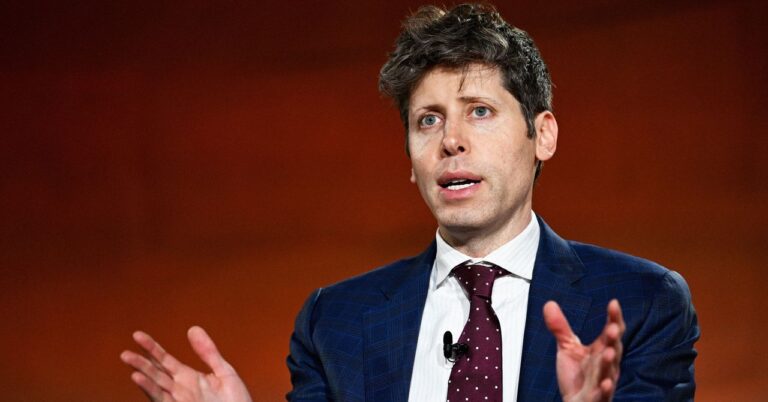
The path to the public markets is complicated by internal history. In 2022, OpenAI’s board ousted Sam Altman over concerns regarding transparency and mission alignment. Although Altman was reinstated, the departure of board members like co-founder Ilya Sutskever left unresolved governance questions that public investors will scrutinise closely.
Legal and political headwinds are also mounting. The state of Florida has accused OpenAI and Altman of harming children by providing information to school shooters and fostering addiction. Additionally, former president Greg Brockman and his wife donated $12.5 million each to pro-AI political groups, including Leading the Future and MAGA Inc. OpenAI has insisted these were personal contributions and not made on the company’s behalf.
Amidst these challenges, OpenAI maintains its consumer-focused reputation with approximately 900 million weekly active users. However, the race to IPO first is critical. Experts warn that the first company to list will likely secure the bulk of scarce capital, potentially leaving others behind as SpaceX aims to debut first among the trio.
Key takeaways
- OpenAI is filing for an IPO despite projecting a four-year period where spending will exceed revenue, highlighting a structural cash-flow challenge across the industry.
- Valuation gaps are widening; Anthropic has surpassed OpenAI in secondary markets, setting a benchmark that may constrain OpenAI’s pricing strategy.
- Prospective investors face significant hurdles, including unresolved governance issues from the 2022 leadership ouster and a growing litany of lawsuits regarding user safety.