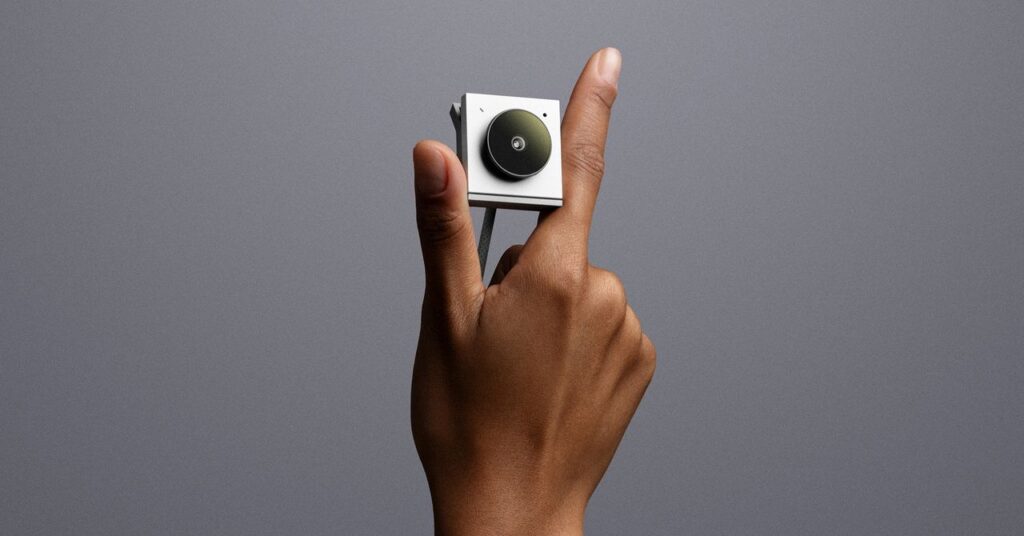
For the creators and audio engineers building the next generation of digital tools, the landscape is shifting. Opal Electronics, once a boutique maker of high-end webcams, is pivoting to become a serious contender in the AI hardware space, backed by significant capital from OpenAI. The company is rebranding to signal a move beyond simple video capture devices toward a broader portfolio of consumer gadgets that prioritise design aesthetics and cultural relevance alongside raw technical capability.
The OpenAI Connection
This strategic expansion was fuelled by a $40 million Series B investment from OpenAI, a deal that closed in the first quarter of 2025 after initial reports surfaced the previous year. Opal’s valuation has since reached approximately $275 million, with a diverse investor roster that includes Samsung, Peter Thiel, Seven Seven Six (run by Alexis Ohanian), and Marques Brownlee (MKBHD).
The relationship between the two companies dates back to 2022. OpenAI CEO Sam Altman was an early adopter of the Opal C1 webcam, prompting his team to visit the San Francisco startup’s offices. During that meeting, they explored the possibility of running the Whisper voice transcription model locally on the hardware to provide live subtitles for Zoom calls. It was at the conclusion of this session that OpenAI demonstrated a preview of ChatGPT to the Opal team. The impact was immediate; the encounter convinced the founders to transform their business model into a research laboratory focused on AI integration.
A New Audio Device
Leveraging this momentum, Opal has spent the last few years developing an AI-powered audio product. This specific device is the primary reason Altman committed the investment. The gadget is expected to launch within the next three to four months and is currently undergoing rigorous testing by Altman, OpenAI researchers, and executives from xAI, Thinking Machines, and Anthropic.
While the exact form factor remains unconfirmed, sources indicate it falls within a familiar product category and is explicitly not designed to compete with the iPhone. The hardware will launch in partnership with a specific AI laboratory, though the name was not disclosed. However, Opal is currently in discussions with OpenAI, Anthropic, and xAI, meaning users will likely be able to switch between different AI models based on their preference.
Beyond the audio device, Opal Electronics plans to release two additional products over the next 12 months. The company’s website features a looping video shot from beneath a glass table, displaying the array of devices they have been designing. The copy notes that despite three years without a consumer release, the table has become crowded with prototypes.
A Different Approach to Hardware
Opal is taking a measured stance in a market where many early attempts at AI hardware have faltered. Following the generative AI boom, numerous firms rushed to create devices infused with large language models, with some claiming these would render smartphones obsolete. Projects like the Humane Ai Pin and the Rabbit R1 ultimately failed to gain traction. In contrast, Opal’s website carries a pledge to “promise little and deliver beyond that,” suggesting a more grounded strategy.
Furthermore, the company is not starting from scratch. By 2023, Opal had already sold over 50,000 webcams. The team grew from five founders at the launch of the first webcam to twelve employees by the time the second product arrived. Manufacturing takes place in Taiwan, and the company intends to remain small. When their products reach end-of-life, Opal plans to release 3D drawings, manufacturing plans, circuit board schematics, and software into the public domain, allowing others to maintain and repurpose the hardware.
Although OpenAI is now the largest shareholder, the source states they hold no rights to Opal’s intellectual property or designs. This ensures Opal retains the freedom to collaborate with any AI lab it chooses, and the company is already in talks with third parties regarding its next product launch.
Key takeaways
- Opal Electronics has secured a $40 million Series B investment from OpenAI, valuing the company at around $275 million.
- The new AI-powered audio device is currently being tested by key industry figures and is expected to launch within three to four months.
- Unlike many failed AI hardware ventures, Opal maintains a lean team, manufactures in Taiwan, and plans to open-source its product schematics upon release.