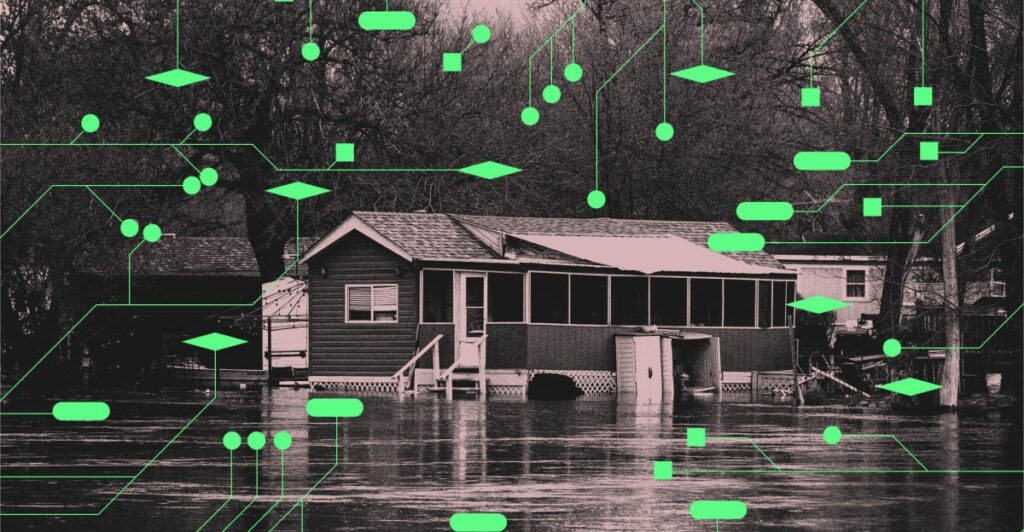
On the morning of 9 June, Laura Lin in Lanesville, southern Indiana, received no warning as heavy rain began flooding her yard while she attended a Zoom call. The rural town near the Kentucky border absorbed over eight inches of precipitation within a few hours, forcing residents to evacuate to neighbours’ homes after seeing debris float toward their property.
This event highlights a gap that the US Air Force Research Laboratory is attempting to close with a new satellite-based system. Researchers at the Laboratory for Atmospheric and Space Physics are testing a machine learning model called TACL to predict flash floods using satellite data alone, rather than waiting for ground sensors to report conditions. The goal is to generate warnings faster than traditional methods allow, potentially giving communities more time to react before water levels rise dangerously.
* The system processes imagery from the National Oceanic and Atmospheric Administration’s satellites.
* It aims to detect flooding conditions before they are confirmed by on-the-ground reports.
* Early tests suggest it could provide critical lead time in areas lacking dense sensor networks.