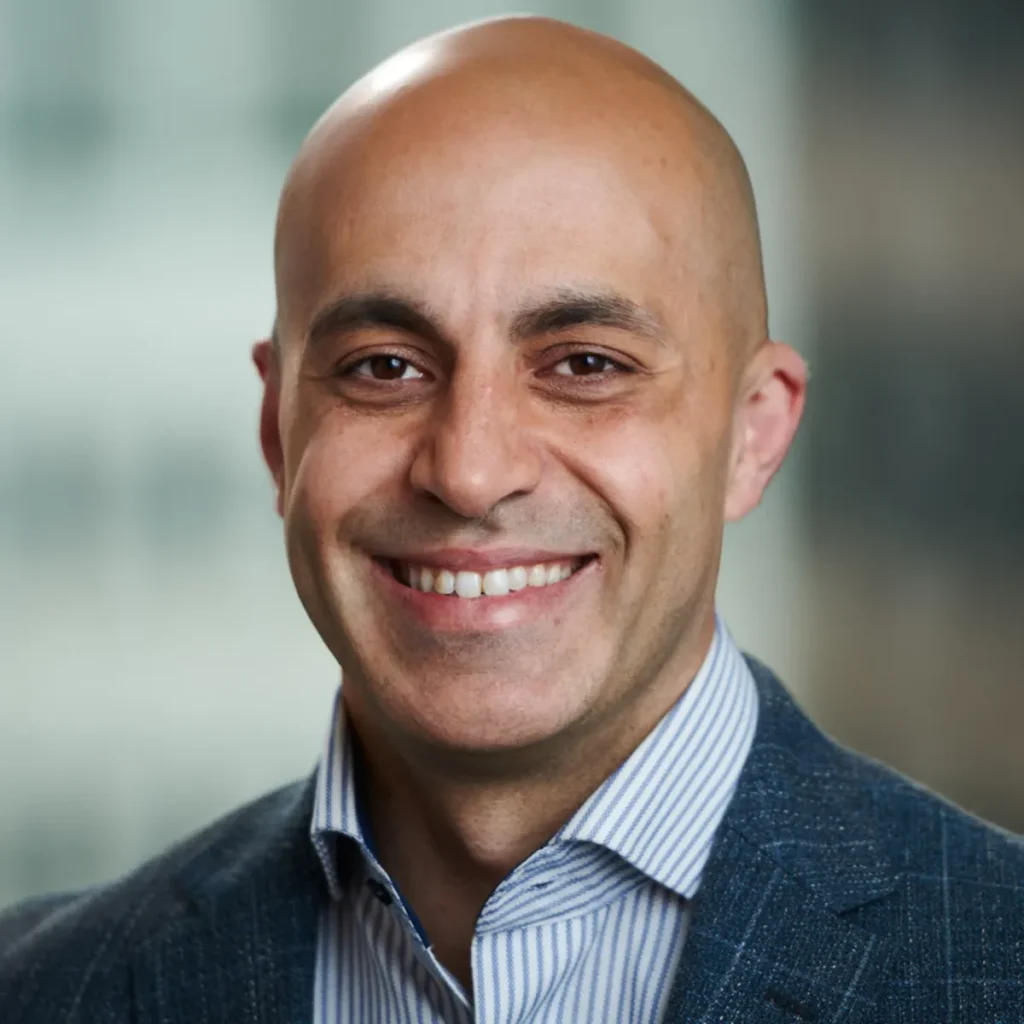
Databricks launched an updated version of its AI agent, Genie, on Wednesday. The system now handles multi-step tasks that require extended work to complete. It relies on an internal ontology built by Databricks to access context from information stored on the customer platform.
Corporate leaders can assign the agent a wide range of tasks, and it will complete them without supervision, the company claims. To prove the point, Databricks CEO Ali Ghodsi demonstrated how he uses it internally. Instead of a product demo, he activated his actual agent and walked through his most recent chats and charts.
He showed how the agent analysed sections of an employee satisfaction survey where the company scored poorly. It also helped him evaluate and discard fixes for those low scores that some executives suggested. He demonstrated how the agent summarised a large sales pitch to a prospect that went badly, including the features the prospect said it needed before buying.
It also prepared him for a podcast interview by reviewing his previous appearances and developing likely questions. While we talked, he even had it tell him what he should say to me. Its advice was not bad.
The interesting part was that Ghodsi was using Genie to find information he is now unlikely to hear as the big boss. It provided an unvarnished truth about what was not going well that he needed to address.
Have you heard of Dunbar’s number? The magic number is 150. Named for British anthropologist Robin Dunbar, it is theoretically the maximum number of people with whom humans can maintain stable relationships. In a small startup, a CEO knows everyone, has direct relationships with them, and they feel safe to tell him negative information straight up.
With 12,000 employees, Ghodsi is the first to admit he cannot know everyone. At that size, a salesperson is unlikely to confess a disastrous sales call to the CEO. An HR manager is unlikely to confess that their idea for increasing employee satisfaction will probably fail.
Anyone who has more than 150 employees, which is a lot of companies and a lot of people, can get value out of this. Ghodsi said this of AI agents generally and his product, Genie, specifically.
Ghodsi’s own use of Genie, often called dogfooding from the phrase eating your own dogfood, is one reason why Databricks is now pitching it as an always-on agent for business leaders. He says he also uses it in his personal life, rather than a security-questionable alternative like OpenClaw or Instinct or Muse.
He believes Genie can do for the business side what AI, agents and harnesses are doing for programmers. As for the risk that agents will increase corporate AI costs, Ghodsi has an answer for that too. He said costs can be controlled through Databricks’ Unity Gateway product. It allows companies to set usage limits and to swap in less expensive open-weight models.
What it means
The update shifts the tool from a general assistant to a specific mechanism for internal oversight. It allows leaders to bypass the social friction that prevents bad news from reaching the top in large organisations. The ability to verify claims against platform data changes how executives manage performance issues and sales outcomes.