A new report from BloombergNEF predicts that US data centers will consume one-fifth of the nation’s electricity by 2035. That figure represents four times the current usage.
The scale of the demand
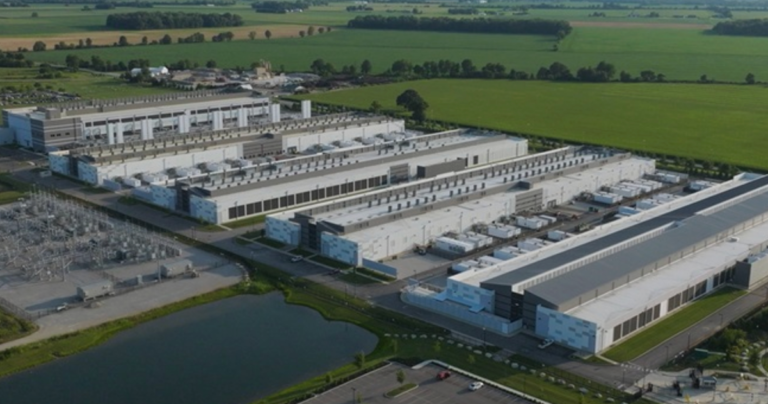
A surge in artificial intelligence compute will drive data center capacity to nearly 200 gigawatts over the next decade. Nearly half of that capacity will be devoted to training and inference. Most of this growth will remain concentrated in the United States. By 2033, the country will host 64% of AI chips by power demand.
Those figures could be conservative based on previous forecasts. BloombergNEF’s new estimate for electricity demand in 2035 is 83% higher than what the consultancy predicted in December. Other organizations have raised their forecasts, too. EPRI, an electrical industry nonprofit, has more than doubled its 2024 estimate. S&P’s forecast rose by more than a third between October and April. The revisions reflect the fevered pace of data center development across the U.S.
Strained grids
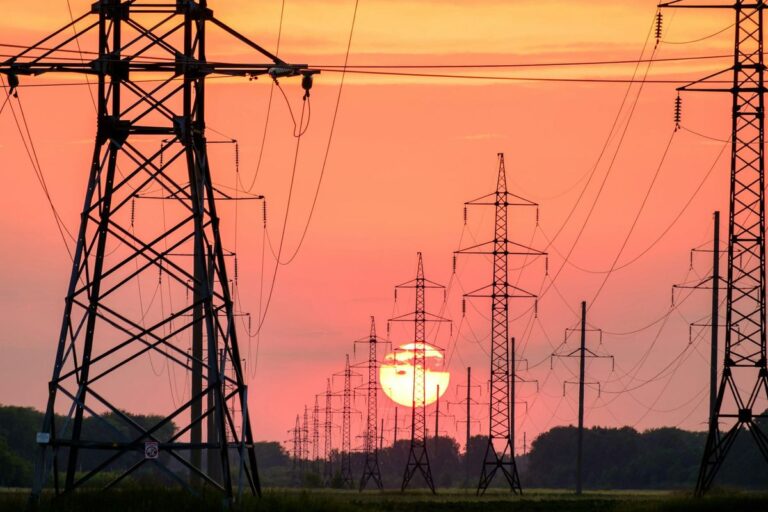
In the coming decade, BloombergNEF expects the majority of new data centers to hit electrical grids that are already strained. The PJM Interconnection, which spans Virginia to Illinois, will see 34% of its electricity go to data centers. ERCOT, which covers most of Texas, will have to devote 22% of its generating capacity.
PJM, which already hosts a large number of the country’s data centers, has struggled to cope with connection requests from both large generators and large loads. It paused applications for new sources to connect to the grid for four years, putting it in a precarious position as demand continued to grow.
Though PJM reopened the queue to new generating sources in April, the situation has grown so dire that one utility, American Electric Power, has threatened to pull out of the interconnection. The supply-demand imbalance has pushed electricity prices up 76% over the past year.
Even with the congestion, data centers still want to connect to PJM. They represented 38% of charges in the grid manager’s most recent capacity auction.
Global impact
Despite the U.S. claiming a majority of AI compute, data centers will continue to grow elsewhere. By 2033, if AI adoption continues along an aggressive trajectory, data centers will create 1,935 terawatt-hours of new electricity demand worldwide. That is nearly as much as India uses annually.
What it means
Builders of AI systems face a hard reality: the power to run their models is no longer a guaranteed utility. Developers must now account for grid capacity as a primary constraint, not just a secondary concern. The cost of electricity will rise sharply in regions like Virginia and Texas, directly impacting the budget for training large models. Companies will need to secure power contracts years in advance or risk stalling projects. The era of assuming unlimited power for compute is effectively over.