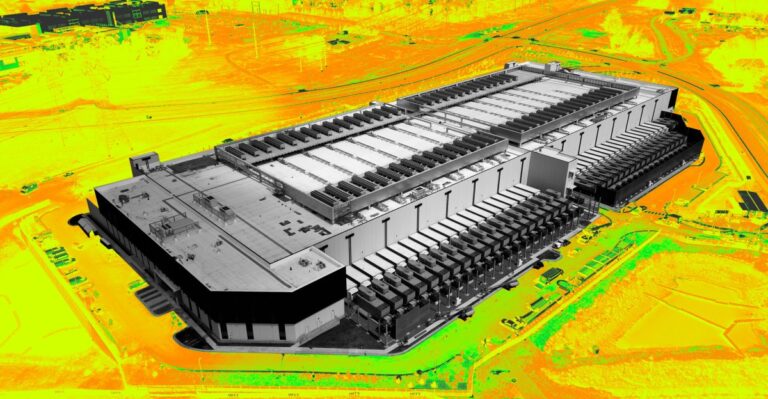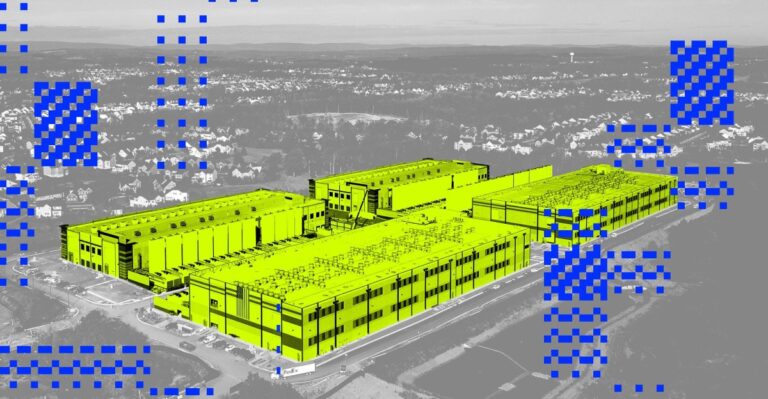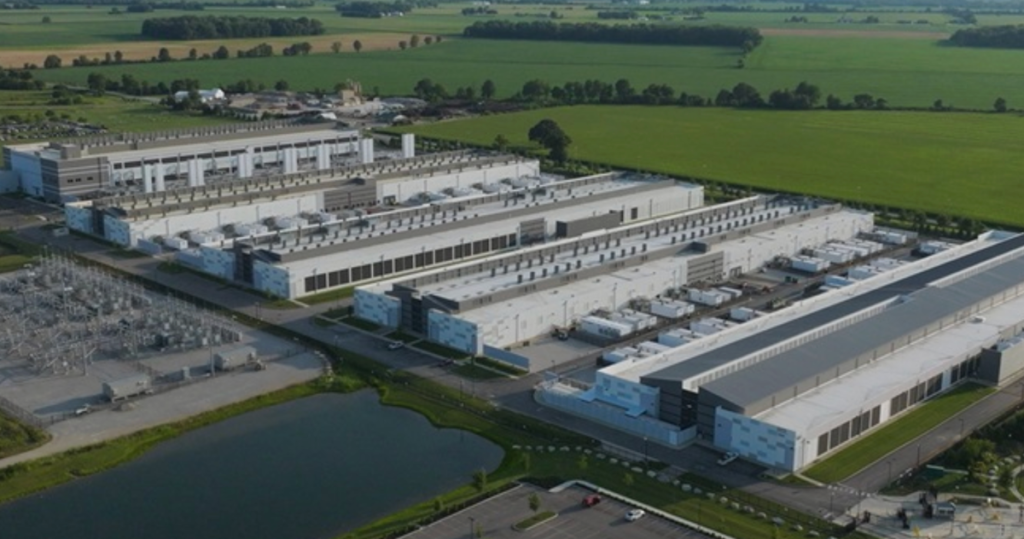
The AI boom is often sold as a technological marvel, yet a darker reality exists for the communities hosting the infrastructure behind it. While tech giants claim their operations are essential for the future, the underlying cost of these massive data centers is being borne directly by local residents through skyrocketing electricity bills. This financial burden is particularly acute in Mississippi, where a recent investigation reveals that local customers are already footing the bill for the power plants required to run generative AI models.
The hidden cost of the AI boom
A new report compiled by consultancy Synapse, commissioned by Earthjustice and Environmental Advocates Mississippi, sheds light on the financial impact of three planned Amazon data centers on Entergy Mississippi customers. The study estimates that residential users have already contributed $38 million to infrastructure and related costs by March 2026, with the total projected to reach $74 million by year-end. These figures represent a significant strain on households already grappling with rising gas prices, supply chain issues, and cuts to federal benefits.
According to the analysis, the average Entergy Mississippi customer is now paying at least an extra $10.60 monthly to finance these facilities. This constitutes a 7 percent increase in utility bills. Crucially, these specific costs for data centers are not itemised separately on customer statements, blending into general rate adjustments.
Legal loopholes and locked-in costs
Ben Havumaki, the report’s author, noted that current figures only reflect investments made to date, with bills expected to rise further. The assessment relied on public dockets and Securities and Exchange Commission (SEC) filings to trace a specific line item used for large load energy infrastructure costs. This method allowed researchers to isolate the financial impact despite Mississippi laws that typically obscure such breakdowns.
Amazon’s expansion in the state accelerated in 2024 with announcements for two new facilities in Madison County, followed by plans for a site in Warren County in 2025. To support this demand, Entergy announced three new gas-fired plants in 2025 for Greenville, Ridgeland, and Vicksburg, alongside two solar facilities. The total investment for these projects approaches $4 billion.
The legal framework enabling this rapid expansion is SB2001, a 2024 law that designates energy contracts with large customers as trade secrets. This legislation exempts agreements from the state’s freedom of information law and removes competitive bidding requirements. Consequently, utilities can initiate construction immediately without proving their bid is the most cost-effective option. Furthermore, the law prevents the Mississippi Public Service Commission from revising the cost allocation once an agreement is set, even if future proceedings show the arrangement is unfair to other ratepayers.
Community resistance and corporate spin
Yolanda Daniel, a member of Environmental Advocates Mississippi, grew up near the proposed gas plant in Ridgeland. After returning to the area, she attended a zoning board hearing to oppose the project. Although the zoning board initially rejected Entergy’s permit to examine the land, the Board of Aldermen proceeded with the plans anyway. Ridgeland Mayor Gene McGee defended the move, citing potential business growth and a lack of visible pollution.
In response to the report, Entergy Mississippi stated that customers are not subsidising data centers but are instead benefiting from them. A company spokesperson argued that technology investments are improving grid reliability and that independent regulators confirm data centre operators pay their fair share plus additional benefits. Entergy CEO Haley Fisackerly has promoted the “Superpower Mississippi” plan, claiming that Amazon and Avaio are funding $300 million in grid improvements to reduce outages and enhance distribution networks.
However, critics argue these claims rely on the assumption that the power plants would have been built regardless. The Synapse report highlights that Entergy Mississippi’s typical annual rate increases are capped at 4 percent under state law, yet SB2001 allows for higher hikes to fund data centre infrastructure. The report found that $8.7 million in fees for the Delta Blues Advanced Power Station were charged to residential customers, alongside $46.7 million in costs for other data centre projects with undisclosed specifics.
The situation mirrors developments in Louisiana, where Entergy has approved additional gas plants to power Meta’s data centre in Richland Parish. Entergy also disputes a claim that data centre agreements will save customers $5 billion over two decades in Arkansas, Mississippi, and Louisiana, noting that confidential filings prevent verification of such offsets.
Key takeaways
- Local residents in Mississippi are already paying an estimated $38 million in utility costs to support Amazon data centres, with bills projected to rise to $74 million by the end of 2026.
- A 2024 state law (SB2001) shields energy contracts from public scrutiny and competitive bidding, locking in cost allocations that may become unfair to ratepayers as infrastructure needs evolve.
- While utilities argue that tech investments improve grid reliability, the financial burden falls on residential customers who do not see data centre costs itemised on their monthly bills.