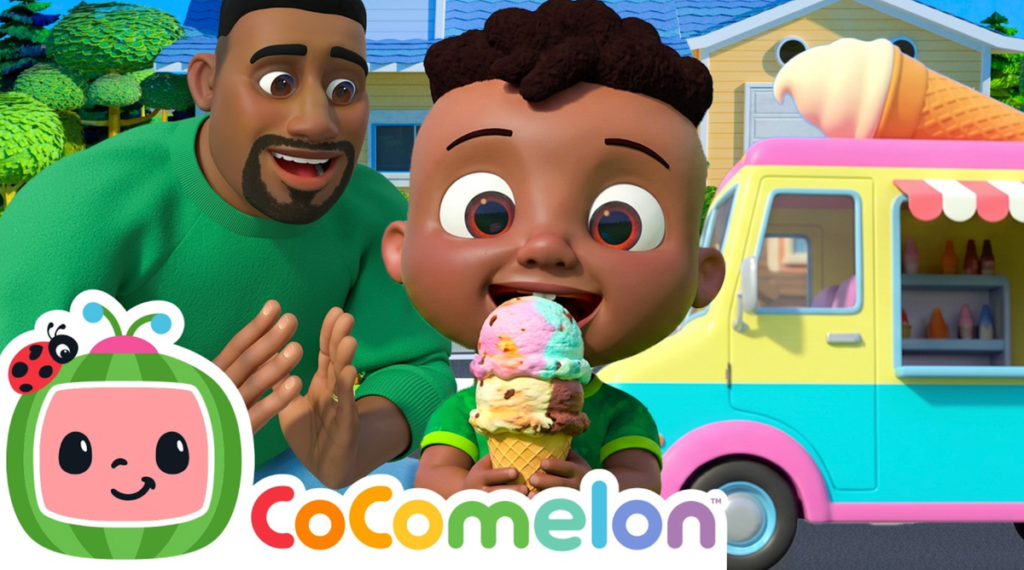
Moonbug Entertainment has instructed its animation teams to begin experimenting with artificial intelligence while producing children’s shows including Cocomelon, Little Baby Bum, Blippi, and Mia’s Magic Playground.
The studio’s internal documents, seen by 404 Media, outline a “Studio AI Bible” and a specific policy for generative tools. These guides state the company is currently in an experimental phase for AI integration. Legal and copyright concerns have led to the implementation of several guardrails to restrict more substantial use of the technology at this stage.
Human oversight remains central
The guidelines explicitly state that a human must remain in the loop when using AI. The rules clarify that the technology is meant to assist the artist, not replace them.
“Keep a human in the loop when using AI. AI is used to assist the artist, not be the artist,” the document reads. “Always remember that we can only own (copyright) what a human has created and so we need to ensure the final execution involves substantial human creative input.”
Core intellectual property, such as key characters, signature worlds, and important backgrounds, must reflect substantial human creative input and intentionality.
Scale and responsibility
The documents detail how a major studio, which runs an empire of content wildly popular with infants, toddlers, and their families, is using AI. Moonbug’s shows have hundreds of millions of subscribers on YouTube. Many titles have spinoff series and movies airing across major streaming services. Cocomelon spinoffs air on Netflix, the studio is working on a Cocomelon movie for Universal, and the series is set to move to Disney+ next year.
YouTube has been flooded with AI-generated content for infants and toddlers. These documents indicate that even the biggest companies in the industry are using AI, albeit with far more thought and care than slop purveyors. The studio also owns various popular children and baby toys.
“Like many media companies, we’re exploring how AI tools can support our creative and production teams. Today, generative AI is not used in episodes of our content,” a Moonbug spokesperson told 404 Media. “Our core principle is that AI should assist the artist, not be the artist.”
The guidelines prohibit AI from originating key creative elements such as new characters, core storylines and song lyrics. Everything produced, whether it incorporates AI-assisted elements or not, goes through a human-led creative and quality-control process. This includes frame-by-frame human eyeball review and rounds of iterations and notes from the creative and production teams.
Where the tools are allowed
The guidelines say that AI can be used for ideation, scripting, storyboarding, design, and animation, but guardrails exist for how AI can be used at each step.
Animators can use AI for utility tasks or standard production enhancers. However, they cannot use it to alter a voiceover or actor’s performance without checking with Legal. AI can refine a human-authored draft, but ghost-writing is banned. Workers must not generate key creative elements like character arcs, core plot twists, or song lyrics from scratch by AI. The narrative soul and key dialogue beats must remain human-authored.
AI can generate visual research, vibe boards, brainstorm ideas and concepts and explore texture, colour and lighting references. There is no prompt-to-product workflow. Workers must not move a 100% AI-generated design directly into the production pipeline. It must be translated into a studio-drawn concept to ensure it meets technical standards and style.
Granular rules on assets
At times, the guide gets very granular. Workers are allowed to use AI to create generic designs and textures, such as trees in a background or furniture, for character outfit changes, or for creating 3D turnarounds from existing human-created 2D characters. They usually cannot use it to create wholly new characters.
The assets must be processed by an artist, for example over-painted or tweaked, to ensure human in loop. All new characters should be human created unless they have had approval for specific IPs. Props that are unique and to be heavily featured in the series, such as the Clubhouse, must be human created. All franchise specific worlds should be human created unless intended to be generic.
Testing and logging
The company is requiring employees to first test all tools with non Moonbug IP and/or test assets before proceeding with legal approval. After being approved by legal, employees are allowed to use AI to help create assets for Moonbug shows. All AI use, including the prompts used to generate assets, must be cataloged and saved.
The company spokesperson told 404 Media that non Moonbug IP refers to generic assets the company has made. They created generic test characters and environments so teams can freely explore new tools without using Moonbug IP or anyone else’s IP. If a tool proves useful, further testing with Moonbug IP requires appropriate approvals.
“Making content for young children comes with a particular responsibility, regardless of the tools involved,” the spokesperson added. “Our GenAI guidelines add another layer of guardrails: no prompt-to-product, human authorship of core creative elements, approved tools and legal review, protections around performers and third-party IP, and human review of finished work. Ultimately, people make the creative decisions about what is appropriate and worthy of our audience.”
All AI tools the company uses must have individual legal approval. All AI-generated assets must be kept in separate file folders than human-created ones using a system called provenance and isolation. The goal of this file management system is to ensure the company always has a path back to human-authored works to maintain copyright ownership over what matters.
Every project must have a dedicated folder for AI generated assets. No file from this folder should be moved into main production folders without being processed by a human artist first. All 100% human created assets must also be stored and labeled properly. Workers must log all of their AI prompts, then also write an explanation of how a human transformed the asset if it is ultimately used in production.
A section of the document called prompt guidance says workers should begin the AI production process by uploading a human-drawn sketch or Moonbug owned IP as a structural reference. They should use AI as a refiner, for example to add texture or lighting. There is no text-to-image prompting unless for brainstorming or research. No style mimicking or soundalikes are allowed. Workers must not use prompts like in the style of Pixar or Ghibli. They should use descriptive artistic terms instead, such as hand-painted water colour aesthetic or vibrant street-art aesthetic with chromatic aberration.
In May, workers with the International Alliance of Theatrical Stage Employees working on a live action Cocomelon spinoff show went on strike. They alleged they were not being provided fair wages and benefits.
“We see AI as a tool that can expand what talented creative people are able to do, not a substitute for the people who create our stories,” the Moonbug spokesperson said. “We’re exploring whether these tools can reduce repetitive work, enhance the creative process and potentially allow our teams to create more stories and experiences for families.”
Source Read original →