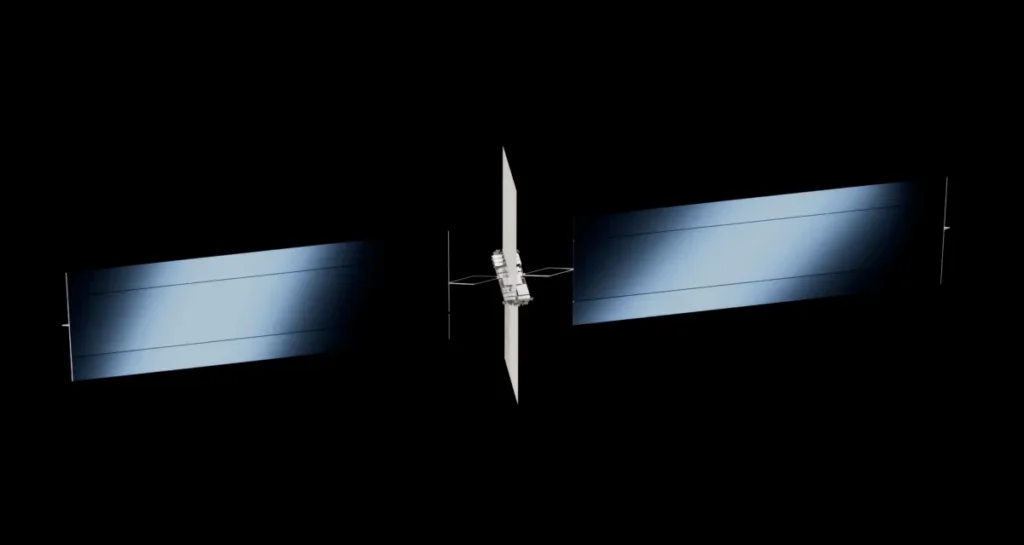
Space data centres face engineering hurdles and a shortage of rockets, but the financing question is equally difficult. Cloud providers typically borrow money to build facilities and repay loans using future revenue. These deals often use the chips as collateral, allowing lenders to seize and resell them if a company defaults. This security makes funding cheaper, as even older hardware retains value. Compute Credit Research Index data shows some H100 chips sell for about half their original 2023 cost, while certain H200 configurations trade at their 2024 introduction prices.
Repossession in orbit is impossible
You cannot repossess chips installed in a satellite orbiting 300 miles above Earth at 17,500 miles per hour. The Financial Times reports that lenders behind SpaceX’s $40 billion chip financing deal asked that none of the purchased chips be used for the company’s orbital data centre plans. It is unclear if SpaceX agreed to this provision.
This restriction may not affect the company immediately. SpaceX has found success deploying compute at terrestrial ground stations. During a recent earnings call, CEO Elon Musk stated he was sending engineers from the rocket team to accelerate the buildout, including tasks like casting turbine blades for generators faster than existing suppliers can.
Uncertainty remains about finding land and power to support the buildout. Many projects face delays and local opposition while markets wait to see compute demand and the ability of buyers to generate revenue.
Musk stated at the beginning of 2026 that he believes space will be the cheapest place to operate data centres in two to three years. This is unlikely until SpaceX flies its Starship rocket in a fully reusable configuration. The most recent flight test failed to recover the booster stage, though the company succeeded in landing the orbital stage at its Texas launch facility. It is unclear when the second stage will fly again or how expensive it will be to prepare it for a second trip.
Even with Starship, SpaceX and startups like StarCloud, Cowboy Space Company, Sophia Space, Orbital and others must buy chips. The economics of space data centres appear more challenging than terrestrial ones, likely requiring higher spending on hardware.
This situation might benefit Google, which is focused on deploying its own TPU chips in space through Project Suncatcher. SpaceX and Tesla are working together to build their own chip foundry, Terrafab, in the US. That project has not broken ground and will require years and billions of dollars before it starts producing semiconductors at scale.