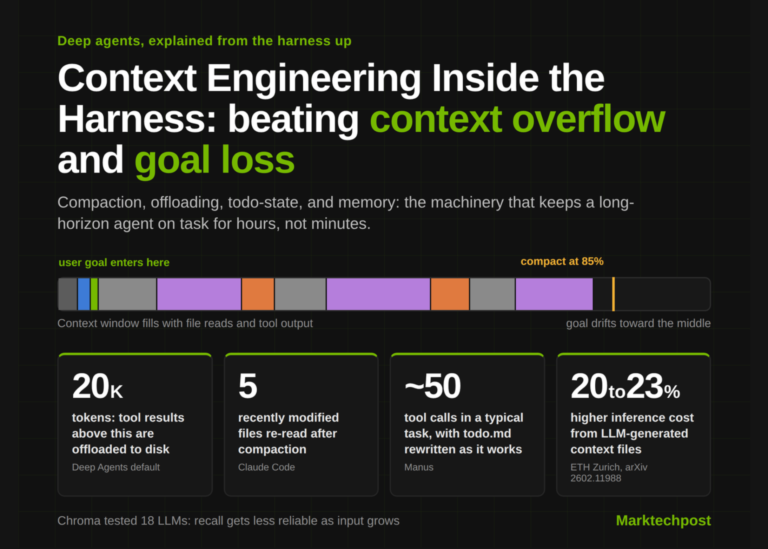
Augment Code pre-indexes code repositories using embeddings and a vector database to retrieve conceptually relevant snippets, rather than relying on the standard grep-based approach used by many current agents.
How the engine works
Vinay Perneti, VP of Engineering at Augment Code, explained the system to Ars Technica. He noted that developers assign tasks to agents, but modern agents suffer from limited context windows. Every time an agent needs information, it must stop and fetch the necessary context before continuing work.
Perneti outlined two methods for handling this context. The first is the grep-based method, which tools like Claude Code and Codex currently employ. The second is semantic retrieval. Augment Code has always chosen the semantic route.
The system relies on two core components. First, an embedding and retrieval model pair operate within the system. Second, a vector database and a highly optimized back-end allow the tool to retrieve data in sub-milliseconds.
Performance in large codebases
Perneti stated that the advantage becomes clear in large, private codebases.
Most benchmarks run on public, open-source repositories. In those cases, every model has effectively memorised the entire repository. Because the models are so large, they already know where to look and can reach an outcome quickly.
For private projects where this memorisation does not occur, the semantic retrieval approach provides a distinct benefit.
Perneti also addressed broader developer concerns regarding AI tools and agentic workflows. He noted that while the technology offers speed, the reliance on semantic understanding is crucial when models cannot rely on pre-existing knowledge of the code.