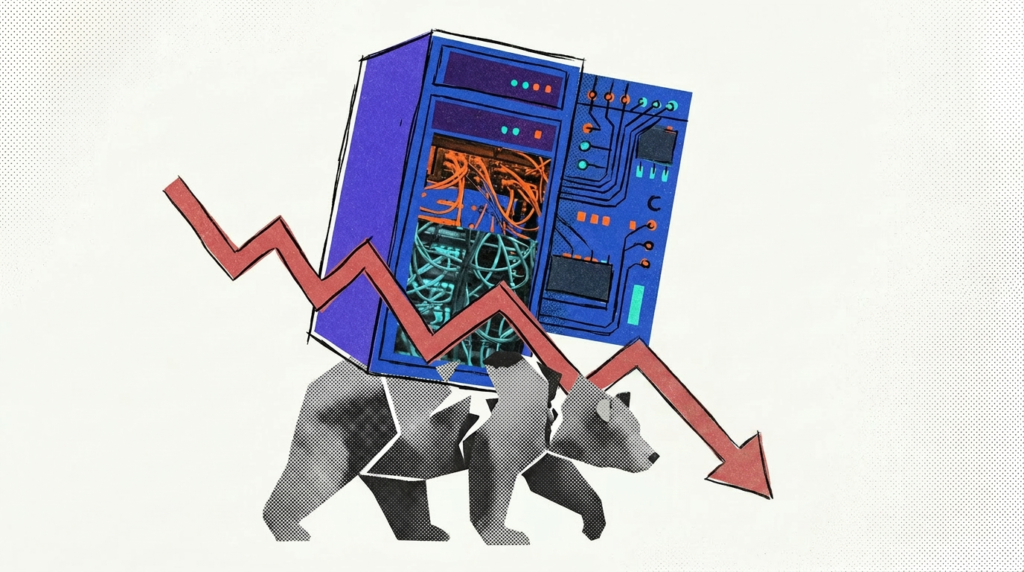
Leopold Aschenbrenner’s AI hedge fund, Situational Awareness, was forced to sell almost its entire publicly traded stock portfolio to Citadel after incurring heavy losses.
Aschenbrenner, a man in his mid-20s with no prior trading experience, began working for the FTX Future Fund in February 2022. He left before the crypto exchange collapsed. In 2023, he joined OpenAI’s Superalignment team but was fired in April 2024 over an alleged information leak. Aschenbrenner disputes this account, stating he shared a largely harmless document with three outside researchers and had previously flagged security gaps at OpenAI.
That same year, Aschenbrenner gained a large following with his essay “Situational Awareness,” which predicted rapid AI growth. In 2024, he launched the hedge fund by the same name. According to CNBC, it peaked at $45 billion in assets but had just eight employees, four of them on the investment side.
From 439 percent returns to a fire sale in days
As recently as last Friday, Aschenbrenner reported a 439 percent return for the first half of the year, according to the FT, and called on investors to put in fresh capital by August 1. Days later, falling AI stocks like SK Hynix and margin calls from banks forced the heavily leveraged fund into an emergency sell-off. His bet against software stocks like Adobe also backfired. Aschenbrenner is keeping his private holdings, including a stake in Anthropic.
Aschenbrenner’s thesis was that increasingly powerful AI would drive massive buildouts of chips, memory, data centers, and power infrastructure. That buildout is happening. But the enormous spending and rising financing costs made investors question returns, triggering a sell-off. What did him in was the leverage. Borrowed money amplified the losses and forced sales right before some of the stocks bounced back.
What it means
The collapse highlights the difference between a strong investment idea and a risky financial structure. Aschenbrenner’s prediction about infrastructure spending appears sound, yet the fund used borrowed money to amplify those bets. When market conditions turned against the specific stocks held, the debt required immediate liquidation. This left the fund unable to wait for a recovery, selling assets just before the market began to rebound. For people making things, the lesson is that relying on borrowed capital to chase high-growth sectors can force an exit at the worst possible moment, regardless of how correct the underlying thesis may be.