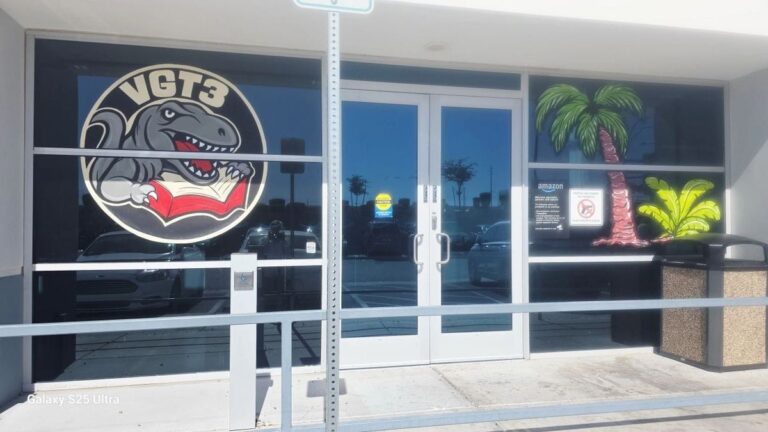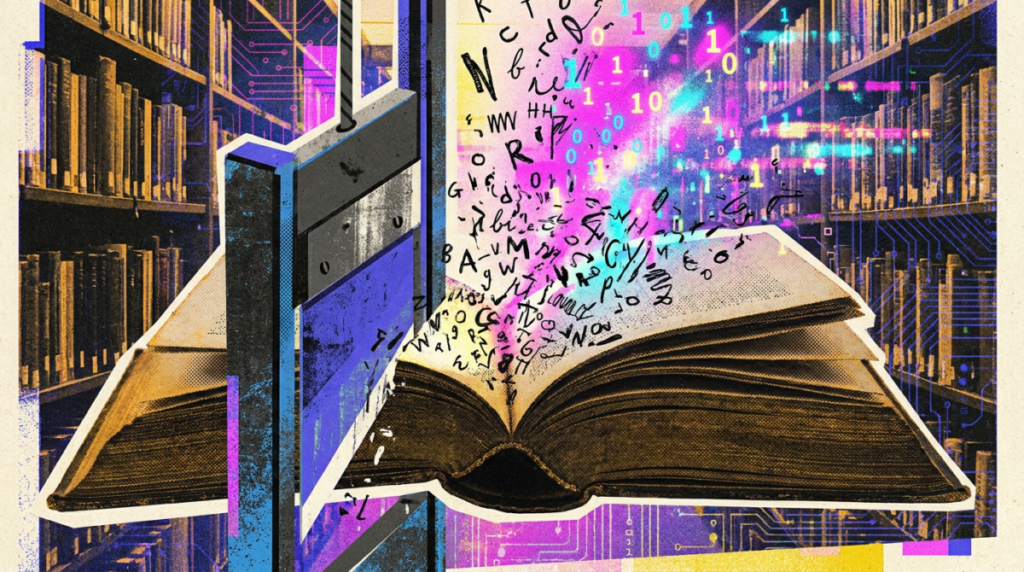
An AirTag placed inside a shipment of rare books tracked the parcel to an Amazon warehouse in Las Vegas, where workers cut the spines off the volumes to speed up scanning for AI training. The investigation by 404 Media confirmed that this destruction happens systematically at a facility known as VGT3, which bears a logo of a Tyrannosaurus rex holding a book. Amazon states it purchases books through commercial channels to improve its products, while a spokesperson noted the data feeds its Nova models. This method allows the company to access printed texts that often predate 2022 and contain no AI-generated content, making them particularly valuable for training large language models. Other firms like Anthropic have run similar operations, such as Project Panama, where courts ruled the destruction of originals qualified as fair use because the physical copies were not resold.
The practice raises concerns about the loss of irreplaceable knowledge and the removal of rare items from public shelves. By converting physical books into private training material, corporations lock information inside closed models rather than making it openly available. This approach effectively destroys unique cultural artifacts to fuel proprietary algorithms, leaving the originals inaccessible to researchers and readers.
- Workers cut book spines to facilitate rapid digitisation
- Scanned texts often contain content absent from online databases
- Courts have ruled destruction of originals as fair use