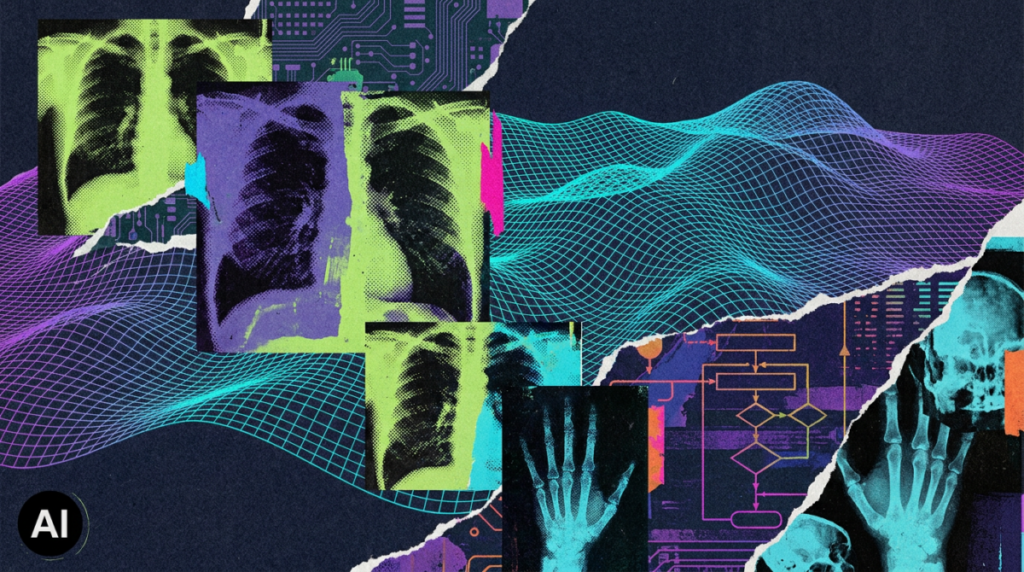
A recent survey of 215 radiologists reveals that artificial intelligence tools for breast cancer detection are failing to meet professional expectations. Published in Clinical Imaging, the study by the Society of Breast Imaging found that while roughly half of respondents already use FDA-approved software, only a small fraction view these systems as decisive factors in diagnosis. Lead author Joud Almogati from UC San Diego Health notes that the technology assists but does not deliver the anticipated efficiency gains.
Specific metrics show a significant gap between hope and reality. Only 35 percent of doctors report lower recall rates, far below the 59 percent they predicted. Similarly, just 9 percent observe fewer unnecessary biopsies against an expectation of 36 percent, and 29 percent feel less burnout compared to the 56 percent who hoped for relief. Most practitioners currently treat AI merely as a second opinion rather than a primary diagnostic tool. The industry faces barriers including high costs and a lack of institutional support. This disconnect challenges earlier predictions that radiologists would soon lose their jobs to automation. Nvidia CEO Jensen Huang has described such forecasts as a “God complex” among technology prophets.
- 59 percent expected lower recall rates versus 35 percent reporting success
- 36 percent anticipated fewer biopsies but only 9 percent saw results
- High costs and institutional resistance remain primary barriers to adoption