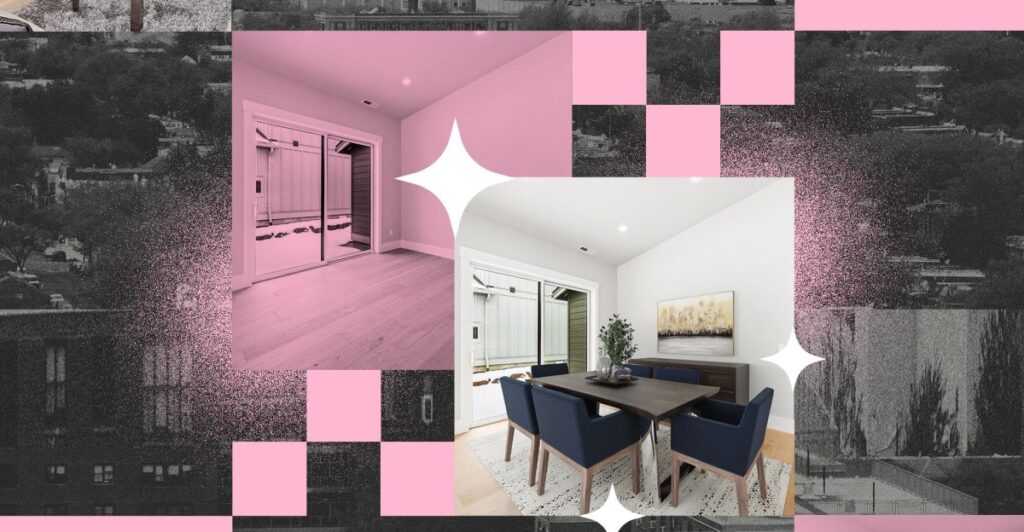
Joyce, a native New Yorker, found her dream studio in Manhattan only to discover the property was significantly different upon arrival. The listing advertised a spacious, airy room with a fireplace, yet the actual unit was cramped and lacked the promised heating feature. She was not alone in this experience, as five other women had scheduled viewings for the same day expecting identical results. This deception stems from the widespread adoption of artificial intelligence in virtual staging, a technique that generates photorealistic images of empty rooms furnished and decorated. Landlords and agents increasingly use these tools to market vacant units, creating a gap between the digital presentation and the physical reality. The technology allows sellers to project an idealised lifestyle that does not exist, leading renters to waste time and money viewing properties that fail to meet their needs. While the visual appeal of these listings is undeniable, the practice obscures critical details about size, layout, and condition. This trend shifts the burden of verification onto tenants who must inspect properties in person to confirm what they saw online. The result is a market where trust is eroded and consumers face unnecessary disappointment.
- AI tools generate photorealistic furniture and decor for empty rooms
- Landlords often omit key physical details like room dimensions or flaws
- Tenants must visit in person to verify the actual condition of the space