For makers and artists: the AI boom is forcing a brutal renegotiation of the energy grid
Artists and creative technologists building AI models should expect a new reality: the regulatory hurdles to powering your infrastructure are being slashed, but the cost of energy itself is skyrocketing. The Federal Energy Regulatory Commission (FERC) has effectively told grid operators to prioritise interconnection requests from data centres and other massive electricity consumers. This shift comes as the sector faces a perfect storm of regulatory stagnation and soaring wholesale rates.
Regulatory fast lane for data centres
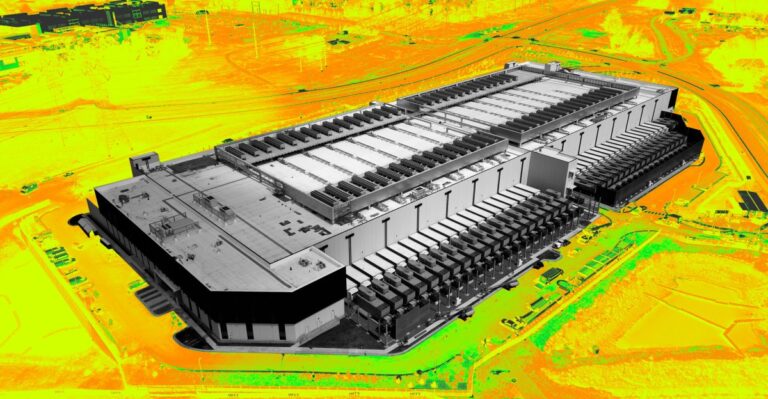
Under the new orders, six major grid operators must now demonstrate that data centres can connect to the transmission system in a timely and orderly fashion. Crucially, the commission has made it clear that data centres will be solely responsible for covering the costs associated with their interconnection. Commissioners approved these directives unanimously.
FERC has also opened a door for grid tech startups by directing operators to consider “alternative transmission technologies.” While the commission did not name specific solutions, the directive could encompass innovations such as solid-state transformers or superconducting transmission lines.
Grid operators now face a tight deadline of 30 days to submit a report detailing any spare generating capacity they possess. They also have 60 days to “defend or revise” electricity rates within their respective regions. Furthermore, FERC has instructed operators to be more accommodating to behind-the-meter power solutions for data centres.
The capacity crisis remains unresolved
While FERC’s directives provide a fast lane for data centres to connect, they do not address the fundamental shortage of generating capacity. Grid connections have historically been slow to materialise because new power plants are facing their own connection bottlenecks. At the end of 2023, grid connection requests for power plants exceeded the total capacity of the existing power plant fleet, creating a backlog longer than the grid itself could theoretically serve.
Against this backdrop, electricity demand from data centres is projected to nearly triple through 2035. Grid operators, accustomed to near-zero demand growth over the last two decades, are straining under the load. Some regions, like PJM-the country’s largest grid operator-have descended into something resembling chaos, with major utilities threatening to withdraw.
Tech companies and developers, unable to secure grid connections in a timely manner in many locations, have been forced to turn to on-site, or behind-the-meter, power. This alternative is typically more expensive and operationally complicated, adopted out of desperation.
Soaring costs and political fallout
Despite the regulatory push, enough projects have managed to connect that electricity prices have soared in many regions. Wholesale electricity rates are up as much as 267% compared with five years ago, according to Bloomberg.
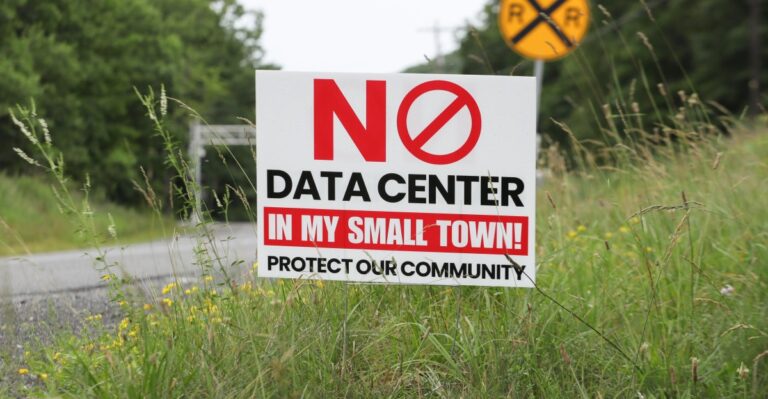
FERC was prodded to tackle this issue by Secretary of Energy Chris Wright, who stated in October that delays in data centre grid connections threatened to undermine U.S. competitiveness in AI. Since then, public sentiment toward AI and data centres has soured considerably.
Meanwhile, the Trump administration announced on Wednesday it would pay $765 million to wind developer Invenergy to cancel offshore wind leases near California, Maine, and New York. The company stated it would utilise these funds to construct natural gas plants in the Midwest and geothermal projects in the West. One of Invenergy’s cancelled wind projects would have generated up to 2.4 gigawatts of power-enough, at peak output, to supply roughly 1.8 million homes.
Altogether, the Trump administration has now spent approximately $2.6 billion to scuttle offshore wind developments.
Key takeaways
- FERC has mandated that grid operators prioritise data centre interconnections, shifting the financial burden of connection costs entirely to the data centre owners.
- Wholesale electricity rates have surged by up to 267% in five years, forcing many developers to rely on expensive on-site generation rather than grid connections.
- Political pressure is mounting, with the administration directing billions to cancel offshore wind projects in favour of fossil fuel alternatives, complicating the long-term energy supply for AI.