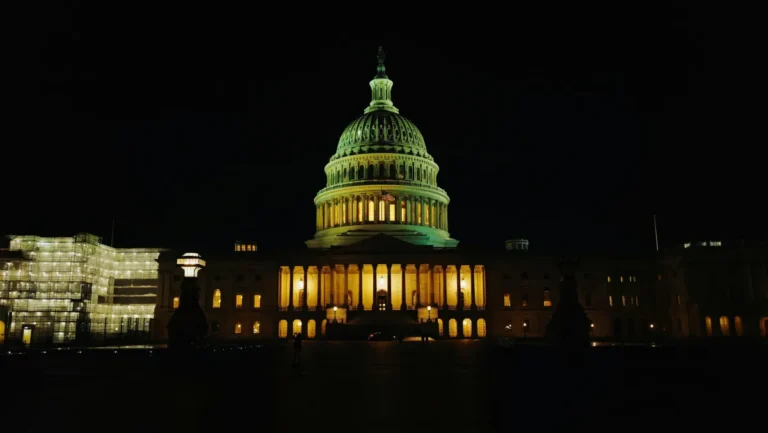
Democrats won the midterms, and that victory brings immediate headwinds for the tech sector, particularly for data centre operators and their political allies.
Dozens of local ballot measures across the US were rejected by voters. In states where the issue was not on the ballot, politicians like Texas’ new governor-elect Gina Hinojosa were elected on platforms promising to restrict data centre construction. Hinojosa defeated Greg Abbott in a race that marked a significant political shift for the state.
Elon Musk’s investment returns
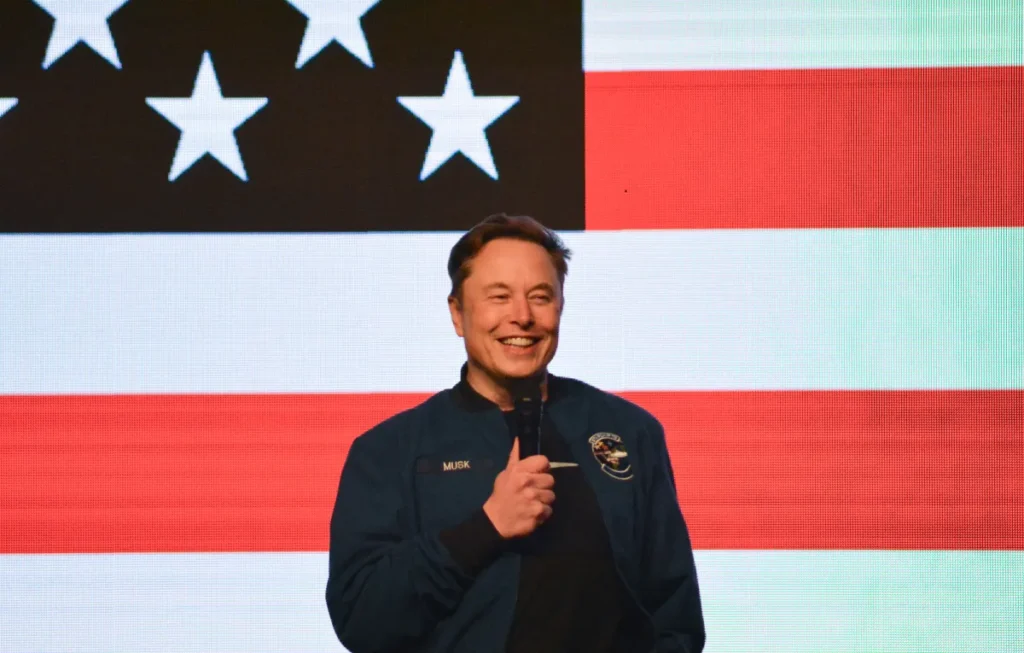
Elon Musk donated over half a billion dollars to the Republican Party. His companies now operate in Texas, which has voted blue for the first time in a very long period. This outcome suggests the donation yielded little political return for Musk.
Sean O’Kane, a host on TechCrunch’s Equity podcast, noted the irony. He pointed out that Musk’s businesses are headquartered in a state that has turned against the party he supported financially.
Ballot measures and local opposition
Many ballot measures passed that would have imposed restrictions or moratoriums on data centres. Sean O’Kane explained that these measures were designed to slow down the approval process for new facilities.
With Democrats in power, the consensus in the tech world is that roadblocks are coming. This is especially true in Texas, where the new administration intends to focus on the campaign promises made regarding data centre limits.
The role of grassroots sentiment
Kirsten Korosec, another Equity podcast host, argued that data centres were not the sole driver of the election results. However, she noted the issue has become increasingly grassroots.
She cited the secretive approval processes used by hyperscalers as a key factor. Companies often require non-disclosure agreements from elected officials and fail to share information about project scale in environmentally sensitive areas. This lack of transparency, particularly in the Southwest where water scarcity is a concern, motivated voters across the political spectrum.
Policy changes at OpenAI
OpenAI has announced it will change its policies. The company released a compute campus policy blueprint. Under this new approach, OpenAI will no longer require non-disclosure agreements. It plans to share its project plans with the public and operate with less secrecy.
Korosec suggested this shift demonstrates that corporate behaviour responds to regulatory signals. When the market expects certainty, companies adjust their strategies.
Rebranding as compute campuses
OpenAI is calling its facilities compute campuses rather than data centres. The company aims to rebrand the infrastructure because the term data centre has become politically toxic.
Sean O’Kane dismissed the effort as ridiculous. He believes the change will not alter the situation and will only add work for the company. He questioned why OpenAI would spend time on such a move when it does not seem likely to change the outcome.
Korosec joked that OpenAI should create a cute avatar for the compute campus to make the concept less threatening. She suggested they present the project as a friendly entity rather than a power and water consumer.
Anthony Ha added that if these are lovely compute campuses, the companies should build their offices there or work next door to see how the arrangement works out.
Wall Street and financial incentives
The election may be part of a larger trend affecting the sector. Wall Street is reacting negatively to hyperscalers and AI companies. Investors are not excited about the prospect of massive spending on new data centres and compute power.
This creates a financial disincentive to build. Regulatory hurdles are increasing, yet companies still need to construct facilities to reach their scale goals. The combination of political pressure and financial caution creates a difficult environment for the next two years and potentially beyond.