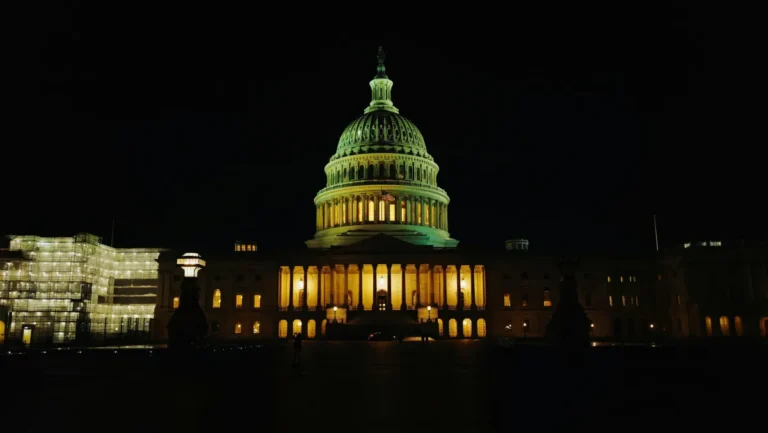
Majority voters approved forty-one data center restrictions across the United States during Tuesday’s midterms. In every measure except one, communities chose to limit new construction. Newly elected Democratic officials are likely to support further regulations on Big Tech beyond these specific zoning laws. TechCrunch hosts Kirsten Korosec, Sean O’Kane, and Anthony Ha discussed the implications of this shift on their Equity podcast. The conversation highlighted concerns regarding increased government scrutiny of large technology firms. OpenAI is already attempting to rebrand its operations in response to this political climate. The election results suggest a significant change in how local and federal authorities view high-energy infrastructure projects.
These developments matter because data centers require substantial power and water resources. Local opposition often stems from environmental concerns and grid stability issues. Stricter rules could slow expansion plans for major cloud providers and artificial intelligence companies. This regulatory pressure may force firms to adjust their growth strategies or seek alternative energy sources. The outcome reflects a growing public willingness to challenge the unchecked expansion of technology infrastructure. Such constraints could reshape where and how quickly new facilities open in the coming years.
* Voters rejected data center projects in forty-one separate ballot measures.
* New Democratic leaders plan to pursue additional tech regulations.
* OpenAI is actively rebranding to address these emerging legal hurdles.