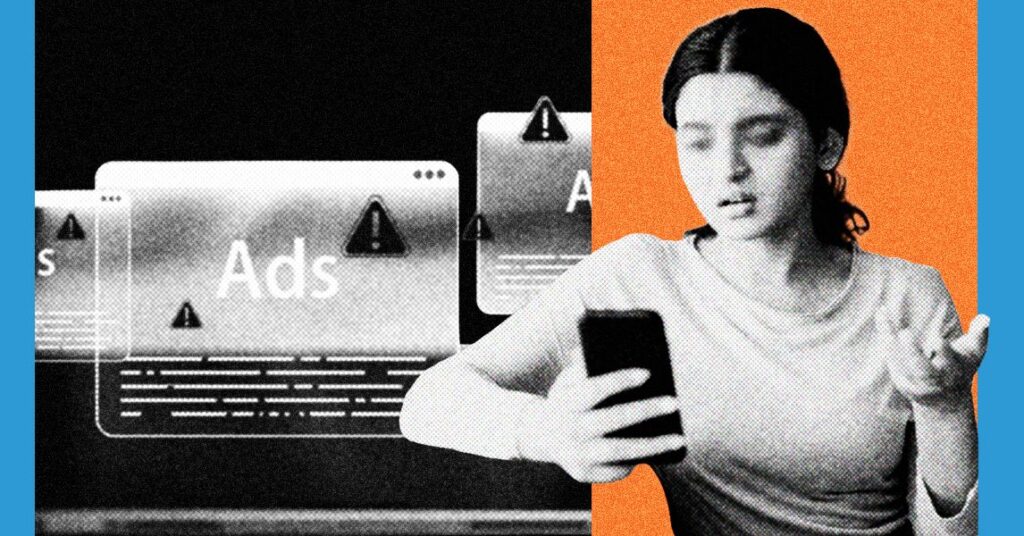
Anthropic insists on keeping Claude free of advertising, a promise reinforced by its recent IPO filing which omitted any revenue model involving ads. The company backs this stance with roughly $112 billion in investor capital. The rest of the industry, however, faces pressure to monetise. OpenAI has run ads in ChatGPT since February and now has over 100,000 clients using the feature. Google extended its AI Mode advertising to ten more countries last week and stated users find the placements relevant. Advertisers report mixed results but expect improvement.
Niche chatbot platforms need this revenue more than the major labs. They cannot rely on venture capital or the scale of tech giants. Koah Labs, a San Francisco startup, sells ad technology for over 200 apps, including DeepAI and Liner. It works with brands such as Hims and UrbanStems. Koah has attracted one tenth of the advertisers OpenAI has, but CEO Nic Baird believes he understands what works in this space.
Machine-Crafted
Ads partly written by AI generate double the clicks compared to human-only copy, Baird says. AI-generated marketing likely feels more natural next to the AI model output. Koah grounds ads in product details and imagery supplied by the advertiser, so users do not see hallucinated errors. Some advertisers, such as drugmakers, must follow government rules on what they can say. These companies prefer human control over their ads, which Baird says leads to weaker results.
Dull messages or clutter could drive users away. Ad tech companies must find a middle ground that engages users without triggering risk-averse brands. This balance is harder to strike when a human is out of the loop.
Creative Targeting
Google searches for “help with stress” usually show ads for therapists. Chatbots can be more creative. Ads for spas perform well in Koah’s network when shown after prompts related to “stress”.
The difference is that Koah selects and customises the ad based on the prompt, the AI response, and the conversation context. Chatbot prompts are at least twice as long as Google queries, giving Koah more information to determine a relevant ad. Baird claims users navigate multiple topics in a chatbot conversation, making them more receptive to adjacent marketing than in traditional search. Koah reports a 3 percent click rate, which is on par with Google ads.
All the Context
Koah generally receives a user’s entire conversation up to the point of the ad request. Traditional search queries look for specific information, but people often use chatbots as conversation partners and confidants. It is unclear whether users will accept the privacy trade-offs of personalised chatbot ads as they spread.
Baird says Koah anonymises queries and stores them in a de-identified way, but he declined to comment further on data collection and storage. He acknowledges personalisation can become intrusive but argues there are benefits. Nonsensitive information about chatbot discussions could inform personalised content on the page after an ad click. An advertiser might fill a gap if someone expressed interest in a feature or if the AI model did not highlight a competing product downside.
Koah does not have data on whether people want these customised pages, but the industry argues users prefer relevant ad experiences. Conversation history also helps advertisers with retargeting, or showing an ad to the same user again.
Negative Triggers
Koah estimates one in four queries about a retailer or brand concerns a return, exchange, or support issue. Baird believes chatbots offer advertisers a chance to address what they call “customer success”.
He expects manufacturers and retailers to target disappointed customers with warranty reminders, AI-intermediated support, and options to avoid costly customer service interactions. The AI chatbot response might provide similar help, but buying an ad guarantees the message gets across. The ideal outcome is swift resolution. The worst case is a wasted ad buy and an angry consumer.
Great Unknown
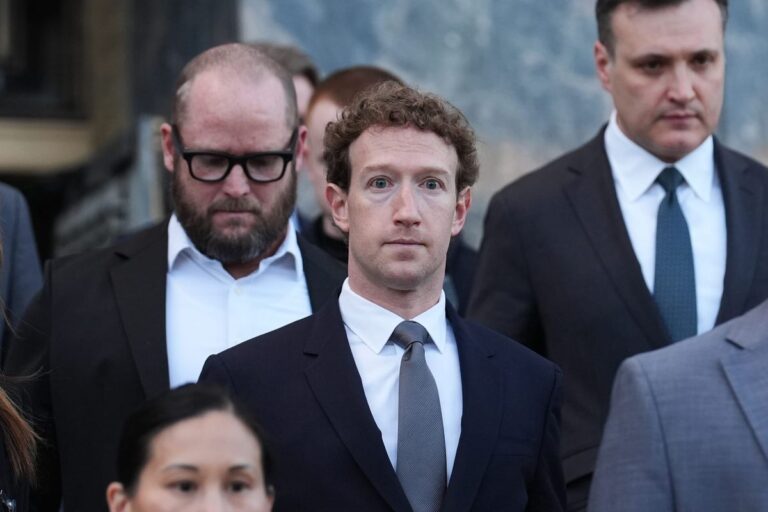
None of the apps Koah currently serves ads in offer AI agents that can shop on their own. Apps like Instinct and Meta’s Muse are starting to take over shopping chores. Meta CEO Mark Zuckerberg recently said Muse could become the company’s biggest revenue source but suggested it would come from transaction fees rather than ads.
Advertising will not be entirely cut out of bot-dominated ecommerce. Initial studies suggest ads could influence AI agents. Baird expects an opportunity to give the user’s agent the best recommendation, combining a great discount with a relevant product and an easy digital purchase path. The chatbot must make “abundantly clear” to the agent what content is sponsored, or it risks losing user trust.
It is possible the chatbot ad market fizzles out before agents take hold if more developers adopt Anthropic’s stance. Kevin Baragona, CEO of DeepAI, says ad revenue has been meaningful but he is not committed to it because the experience does not feel right regarding privacy and design.
“I don’t think the ads are working terribly well for anyone,” he says.
What it means
For people making things, the immediate change is exposure to more targeted interruptions within their workflow. You might see ads for tools or services based on the specific prompts you type into the chatbot. The quality of these ads depends on whether the advertiser uses AI to write them or keeps human oversight. If you click an ad, you might see a page tailored to your recent conversation history, which could be helpful or feel intrusive.