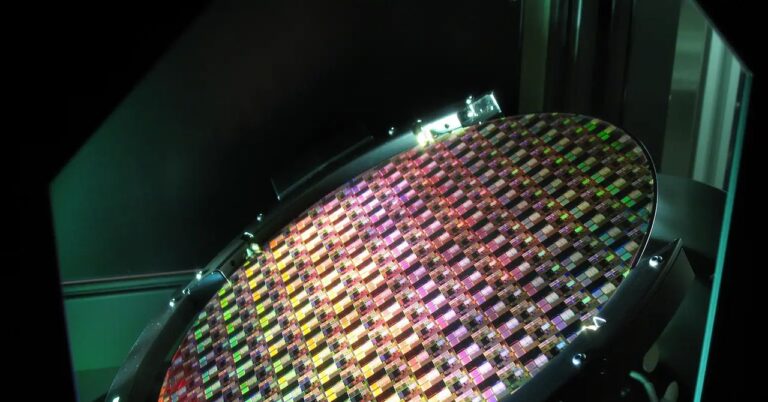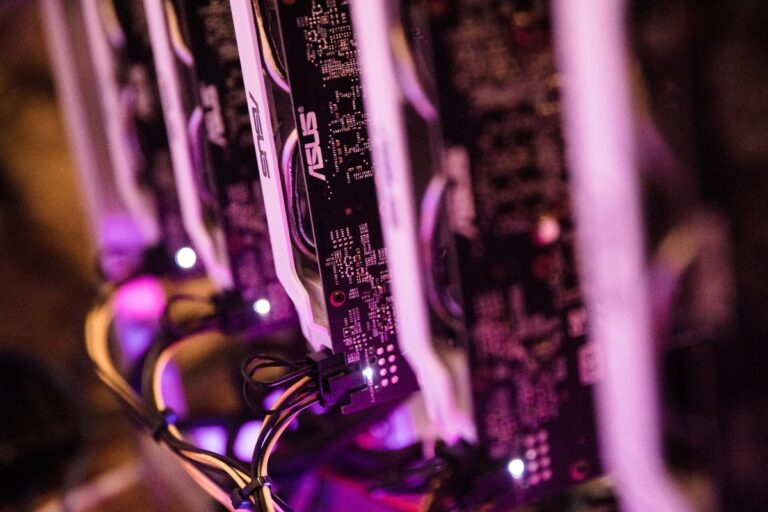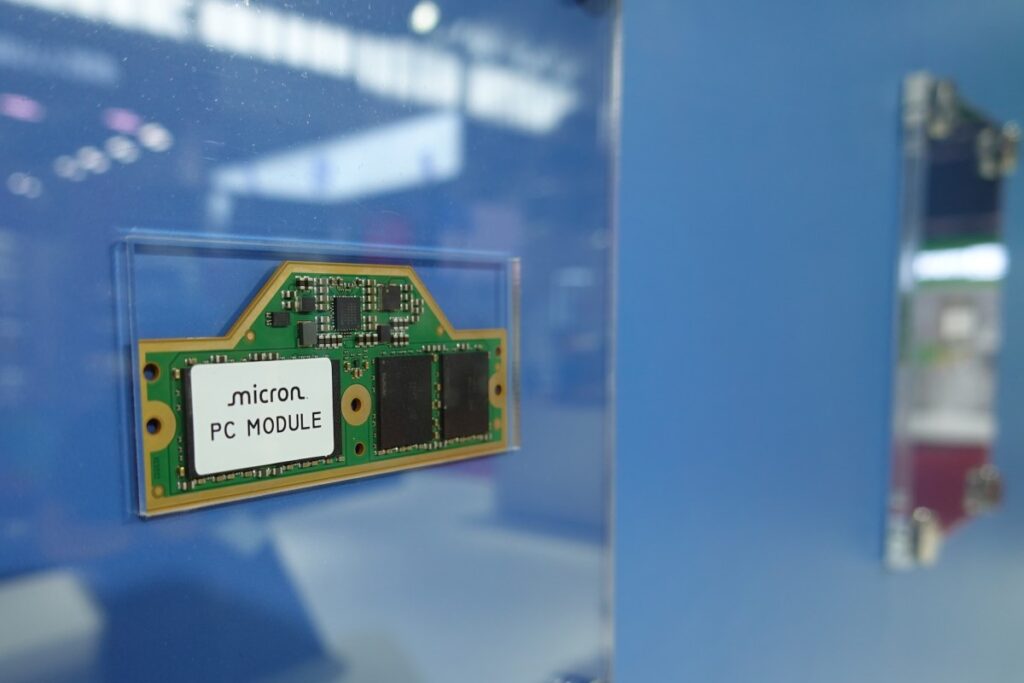
Micron, a memory chip manufacturer based in Boise, Idaho, has temporarily surpassed Meta and Tesla in market capitalisation. This occurred on Thursday, though the valuation dipped by Friday to nearly match those tech giants.
The numbers
By Friday’s close, Micron’s market cap stood at $1.27 trillion. Meta was valued at $1.39 trillion, and Tesla at $1.42 trillion. The stock price closed at $1,132 a share, representing a gain of over 236% in the past month. This figure is a stark contrast to the pre-mid-2025 era, when the share price hovered below $100.
Most consumers still associate the company with small memory cards used to expand storage on PCs and smartphones. Wall Street, however, is focused on a different product line.
The AI boom
The surge is driven by a shortage of system memory chips, specifically DRAM and High-Bandwidth Memory (HBM). AI data centres require vastly more memory than standard laptops.
Major buyers include Nvidia, alongside hyperscalers like Microsoft, Amazon AWS, Google, Meta, and Oracle. These firms are purchasing large quantities of memory. Consequently, other manufacturers, from PC makers like Dell and HP to various device producers, are forced to hoard stock.
This supply shortage, nicknamed RAMageddon, is predicted to last until 2027. Prices for consumer electronics, including Apple products and Xbox consoles, are already rising as a result.
Micron reported blockbuster third-quarter earnings last week. Revenue quadrupled year-on-year to $41.45 billion. Profits jumped from $1.88 billion to $28.2 billion over the same period. The company forecast fourth-quarter revenue between $49 billion and $51 billion.
Long-term contracts
Historically, expanding manufacturing capacity is a slow and costly process. Often, demand drops just as new facilities come online, leading to a glut and falling prices.
Micron addressed concerns about an AI bust by highlighting long-term supply agreements with Nvidia and AI lab Anthropic. The firm stated it has signed 16 strategic customer agreements across data centre, consumer, and auto segments. Management expects this to transform its business model.
Analysts reacted positively. William Blair tech analyst Sebastien Naji noted that demand growth continues to outpace the rate at which new cleanroom space becomes available.
“Given the strong likelihood of continued ASP growth in the coming quarters and improving revenue visibility thanks to a rapidly expanding set of long-term agreements (SCAs) with key customers, we see potential for more durable earnings growth and reiterate our Outperform rating,” Naji wrote.
What it means
For people making things, the immediate impact is higher costs. The shortage of memory chips is driving up prices for devices like consoles and phones. Companies relying on these components must either pay more or secure their own supplies ahead of competitors.
Whether Micron can maintain these profits without a market downturn remains to be seen. But for a brief moment, this American company became more valuable than some of the industry’s largest giants.