Google’s AI Glasses: Almost There?
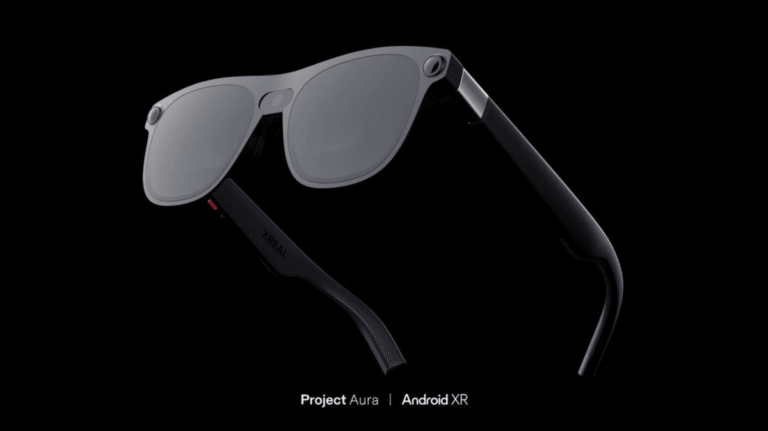
At this year’s Google I/O developer conference, we had a chance to briefly test out Google’s upcoming AI-powered glasses, not the audio-only version that will be available later this fall, but rather the glasses with both audio and visual capabilities. These Android XR glasses feature an in-lens display that integrates helpful information into your field of vision, such as weather updates, directions, Uber pickup details, real-time translation, and more.
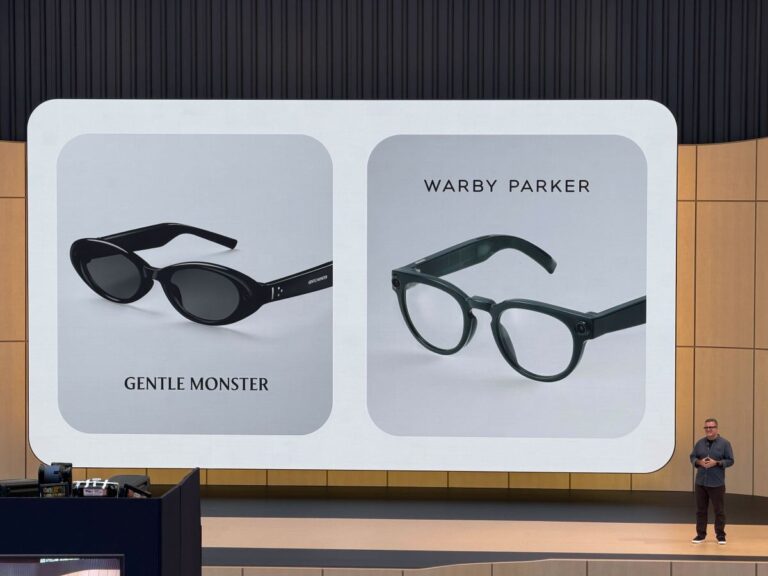
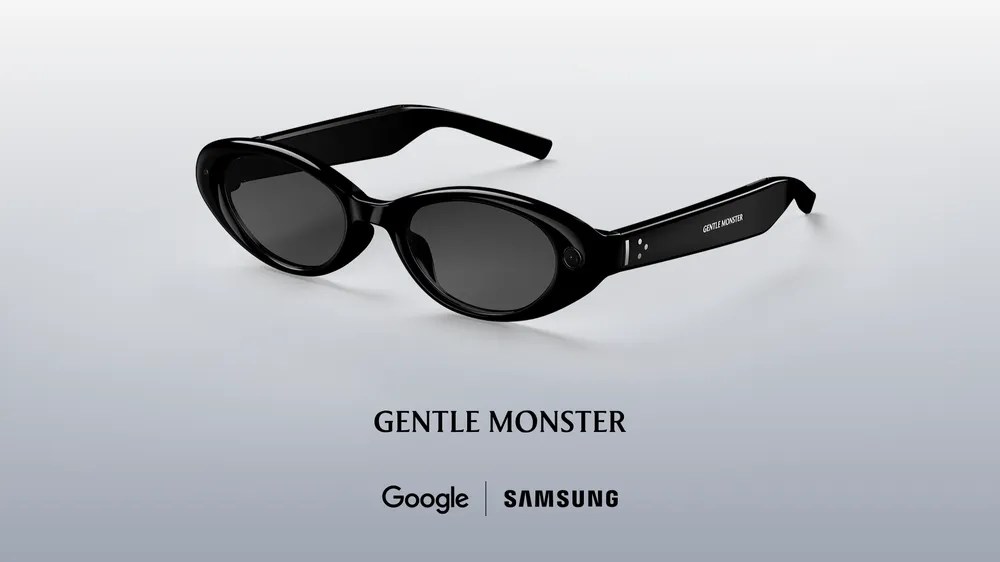
First announced last year, these glasses are designed to be a step beyond the initial audio-only versions set to launch later this year. They blend Google’s tech with design elements from brands like Warby Parker, Gentle Monster, and Samsung, creating a sleek yet functional eyewear experience.
The glasses we tested were prototypes that had been refined for external testing. Key features included a two-second press on the right side of the frame to activate Gemini (Google’s AI assistant), which would trigger the camera at the same time in the demo version but allow users to configure this feature later. The glasses also supported turning off the camera when starting up Gemini.
During our testing, we successfully used the glasses to play music by asking them to do so, though audio quality was compromised due to background noise. For capturing photos or videos, you could either press a dedicated photo capture button with your finger or ask Gemini to take an image or video without needing to interact physically.
One standout feature was the language translation experience via Google Translate on our phones. When we asked about a person in front of us and provided enough context for it to be understood, Gemini would respond in English based on what it detected as Spanish speech. This demonstrated how easily these glasses could assist travelers by providing real-time translations.
Navigational tasks were also tested with Google Maps, where we asked for directions to a nearby coffee shop and saw turn-by-turn instructions displayed via the glasses’ lens display. The system was designed to integrate seamlessly with existing apps like Google Maps on our phones.
For identifying objects or asking questions about them, the glasses initially struggled due to their current setup without camera functionality enabled through the app. However, once this feature was activated, they were able to identify a variety of items, including a Monet painting and recipes from books.
To conclude, Google has more details planned for its Android XR display glasses later in the year when it expands its trusted tester program. For now, users can still use the audio-only version if they prefer or need it to meet their needs.
Key Takeaways
- The AI-powered glasses are a step beyond existing versions with both visual and auditory capabilities.
- They support integration with multiple apps, including Google Maps and Translate.
- While still in prototype form, the glasses have shown promise for various tasks like music playback, photo capture, and navigation.