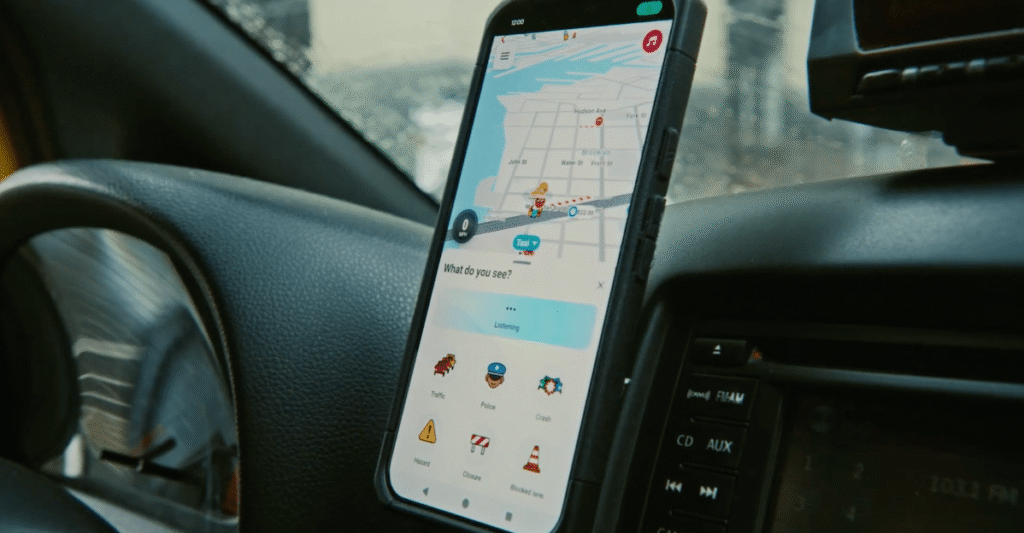
Waze is updating its voice reporting system to accept natural language instructions instead of rigid keyword phrases. Google is integrating its Gemini model into the app to handle requests like “Find me a coffee shop that is open” or reporting specific road closures. This change addresses the previous limitation where drivers had to speak in short, pre-defined commands to trigger map updates. The new system allows for more flexible phrasing while the user drives. Two other updates accompany this shift, including a refreshed interface for reporting incidents and a new destination search tool. These features aim to make the driving experience less repetitive by reducing the need for precise scripting. The integration focuses on practical utility rather than experimental novelty. Drivers can now speak more naturally when interacting with the navigation software.
The shift matters because it reduces the cognitive load required to interact with navigation tools during active driving. Users no longer need to memorise specific syntax to report hazards or find locations. This improvement aligns the app with modern expectations for voice assistants while maintaining safety standards. The changes reflect a broader trend toward conversational interfaces in automotive software.
- Reports must still be relevant to current traffic conditions
- Map data updates require verification before publication
- Voice commands now support full sentence structures