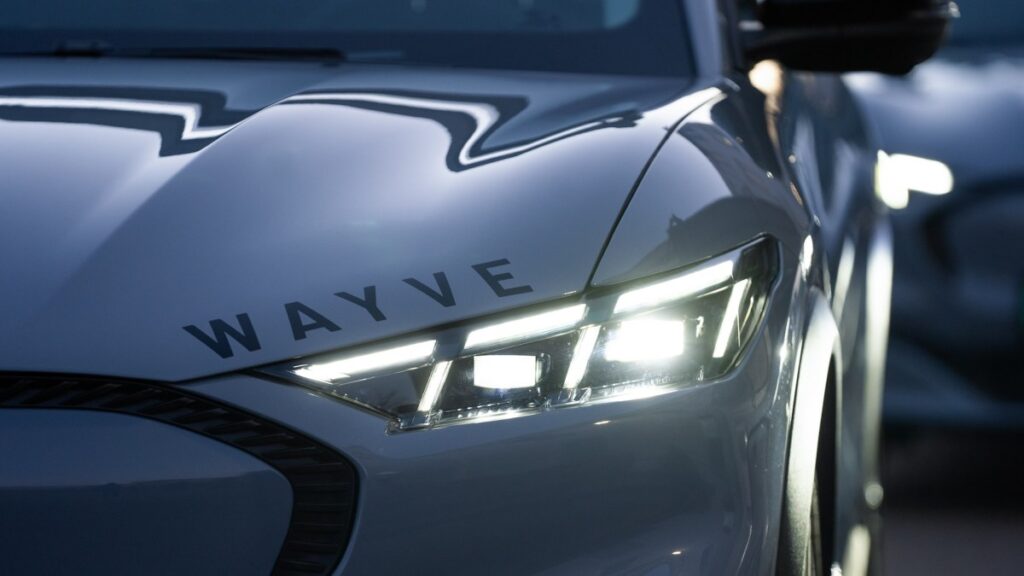
Wayve, a London-based autonomous driving startup, is offering its staff the chance to sell part of their vested shares back to the company for $85 million. The deal values the firm at $8.5 billion. Existing and new investors are leading this structured buyback.
The valuation context
That figure was established in February during a $1.2 billion Series D round. Eclipse, Balderton, and SoftBank Vision Fund 2 led the funding. Ontario Teachers’ Pension Plan, Baillie Gifford, Microsoft, NVIDIA, and Uber also took part.
This is the second time the company has allowed employees to cash out. A similar tender offer ran in May 2024 alongside a $1.05 billion Series C raise.
Why the liquidity?
Wayve joins a growing number of AI firms using buybacks to keep staff in place. Instead of waiting years for a public listing or acquisition, employees can sell shares immediately when their options vest. This prevents them from jumping to a rival or launching their own venture the moment they have cash.
Recent examples include Decagon, which builds AI agents for enterprise customer service at clients like Duolingo and Hertz. ElevenLabs, known for synthetic speech and dubbing tools, has also run such an offer. Linear, the project management platform for software teams, and Clay, a sales automation tool, have participated as well. Clay has executed two tenders in the last nine months.
These companies can fund the buybacks because investors are willing to purchase more equity at a premium. The backers are betting that the businesses will increase in value further.
How the technology works
Wayve relies on a self-learning approach for autonomous driving. Most self-driving cars depend on pre-built, high-definition maps. Wayve’s software is an end-to-end neural network that learns to drive purely from data. The founders argue this mimics how a human learns to drive through experience.
The company aims to create a general-purpose AI driver capable of working across different countries, car models, and road conditions. To support this goal, the team has grown from fewer than 600 to 1,200 employees over the past year.
Wayve plans to launch robotaxi pilots with Uber later this year. The company also intends to integrate its AI software into Nissan’s next-generation driver-assist systems starting in 2027.