US Cyber Command races to deploy AI on top-secret networks
Key Takeaways
- US Cyber Command is setting up a task force to run AI models from OpenAI and Google on sensitive Pentagon and NSA networks.
- The move was prompted by new AI tools that can identify security flaws in digital systems faster than human hackers.
- Military experts view these AI capabilities as crucial for enhancing threat detection and decision-making speed in cyber operations.
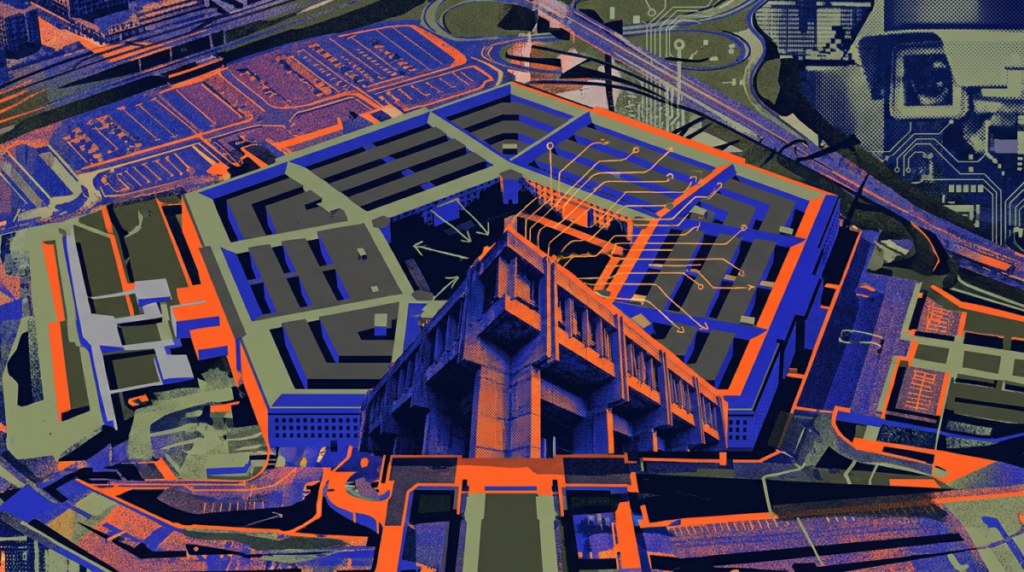
US Cyber Command has launched a task force to accelerate the deployment of powerful AI models on highly classified Pentagon and NSA networks. This initiative was announced by General Joshua Rudd, who leads both the NSA and Cyber Command, two weeks ago via an internal email. The task force will be composed of personnel from both organizations and will focus on assessing how AI models from Silicon Valley companies can be safely deployed on “high-side” systems-networks with the highest classification levels.
Technical expertise for this task will primarily come from the NSA’s AI Security Center, while a Cyber Command officer will lead the effort. The immediate catalyst for this move is the development of AI tools that can detect security vulnerabilities in digital systems faster than even the most skilled human hackers. In April, Anthropic released its Claude Mythos model and restricted access due to severe potential consequences for national security. OpenAI has since announced similar capabilities.
Lt. Gen. Charles Moore, a former deputy commander of Cyber Command, highlighted that these AI tools are not just beneficial but essential for threat detection, vulnerability prioritization, and faster decision-making in both offensive and defensive cyber operations.