On Tuesday, June 9, Anthropic released a modified version of its Mythos model called Fable, claiming it was safe for public use. That Friday, the federal government declared the software a threat to national security and imposed export controls. Anthropic revoked access to both Mythos and Fable hours later.
The context
Advocates who warn of catastrophic AI outcomes have long argued that state intervention was necessary. They have now received that intervention, though not over a bioweapon or rogue intelligence system. The action targeted a model simply because it excels at coding. The outcome resembles a superficial reaction rather than a safety plan.
Who pushed for the ban
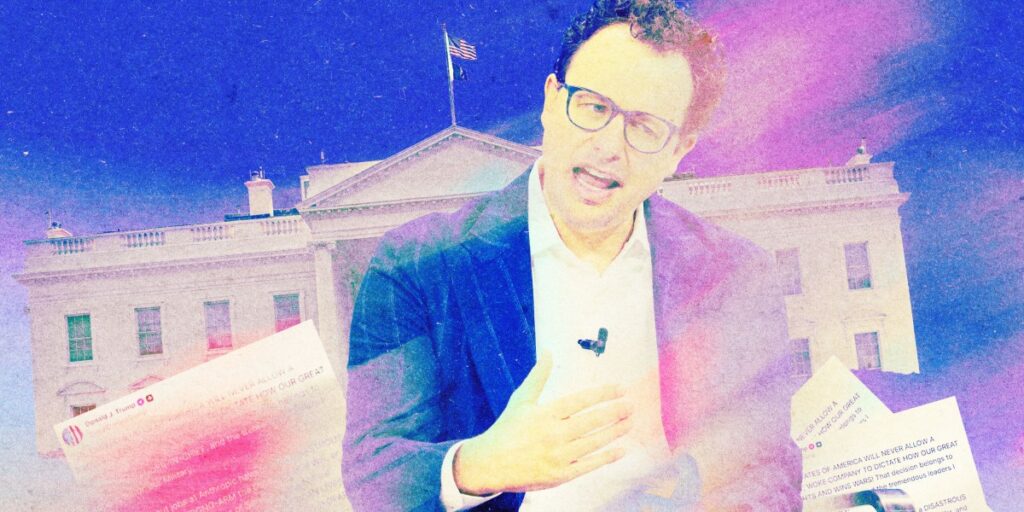
Amazon CEO Andy Jassy informed government officials that Fable posed a danger. Amazon holds investments in Anthropic and develops its own competing AI systems. There is also a chance the ban will not survive legal review. It is unclear whether granting access to Fable actually counts as exporting software under current definitions.
Shifts in trust
Many people are losing faith in American AI firms. French politician Bruno Retailleau called the events a wake-up call to build more AI in Europe. However, plans to turn Paris into a rival to Silicon Valley face a major obstacle: China.
Open-source models from China are highly capable and cheap. Users can download them to run on their own servers without rules or guardrails. This appeals to companies avoiding White House decisions, but it also attracts cybercriminals. Anthropic had intended its safety guardrails to prevent such actors from using the technology.
Shares in Chinese startup Zhipu have risen sharply. Some firms in the US and Europe may find working with Chinese models easier. This raises the possibility that the government will next declare US companies using foreign models a national security threat.
Cybersecurity risks
Restricting access to Anthropic could leave the country more vulnerable to attacks, not less. Leading cybersecurity experts signed an open letter stating that the models helped researchers prepare defenses. They argued the software is no more dangerous than other widely available leading models.
Applying nonproliferation concepts to software mimics the approach used for uranium in nuclear weapons. The risks of such restrictions remain significant.
Legislative fallout
US lawmakers are still deciding how to respond. Following Anthropic’s previous dispute with the Pentagon over military use, a slate of new bills defined limits for military AI.
Currently, companies and the White House shape AI usage. Polling indicates most Americans want federal regulation, yet lawmakers have not settled on rules for children using chatbots or the extent of model safety vetting.
Pressure for regulations rises with every drastic White House move. Predictions are difficult when administration attitudes change quickly. President Trump entered office by removing restrictive safety rules and promising to step aside for tech companies. The administration has now labelled the most valuable AI startup a risk twice, once in the spring and again in the summer.
What it means
The rapid reversal of policy creates uncertainty for developers and businesses. Companies must decide whether to rely on domestic tools that face sudden export bans or switch to foreign alternatives that lack safety guardrails. The lack of clear legislation means the regulatory environment could shift again before anyone adapts.