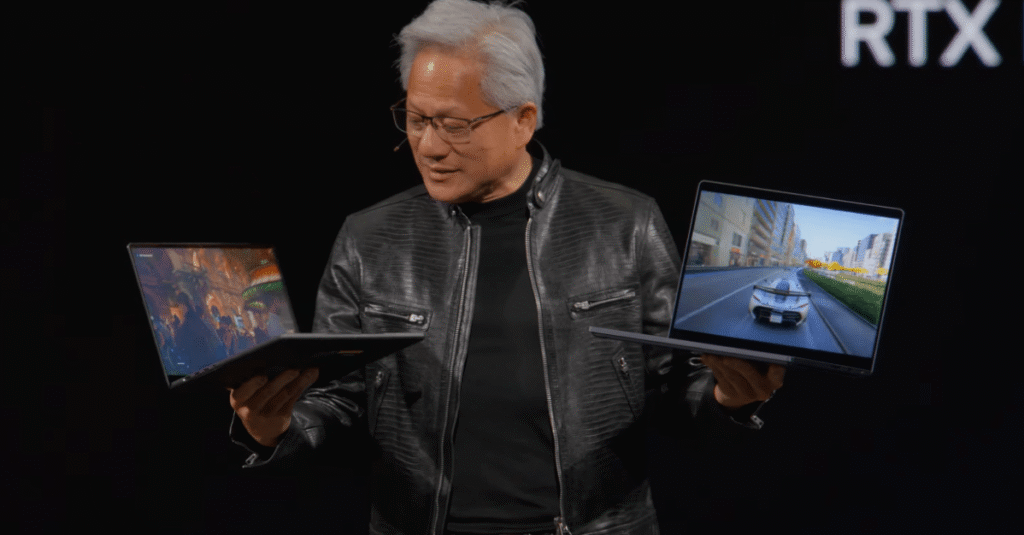
Nvidia has officially entered the consumer laptop silicon market with its new RTX Spark chips, targeting a direct challenge to Apple’s established dominance in the Arm-based space. While Apple’s M1 series set a new standard for efficiency and performance in 2020, Windows laptops powered by Qualcomm have historically struggled to match these metrics, particularly regarding graphics capabilities. Nvidia’s move aims to correct this imbalance by delivering high-end integrated graphics and superior battery life directly to Windows devices. However, the announcement indicates that these hardware improvements will come with a significant price premium, positioning the RTX Spark laptops as premium products rather than affordable alternatives to current Intel or AMD offerings.
This development matters because it signals a potential paradigm shift for the Windows ecosystem, moving it away from reliance on x86 architecture towards a more efficient, Arm-native future. If Nvidia can successfully replicate the performance-per-watt ratios seen in Apple Silicon within the Windows environment, it could finally resolve the long-standing battery life and thermal throttling issues that have plagued Windows laptops. The high price point suggests this will initially be a niche product for professionals and enthusiasts, but it sets a crucial benchmark for the industry. Success here could force competitors to accelerate their own Arm-based strategies, potentially making high-performance portable computing more accessible and efficient for the general user base in the coming years.
- Nvidia’s RTX Spark chips represent a significant attempt to close the performance gap between Windows and Apple Silicon laptops.
- Expect a high price tag, as these devices are positioned as premium alternatives rather than budget-friendly options.
- The launch could catalyse a broader industry shift towards Arm-based architecture for Windows, prioritising efficiency over raw compute power.