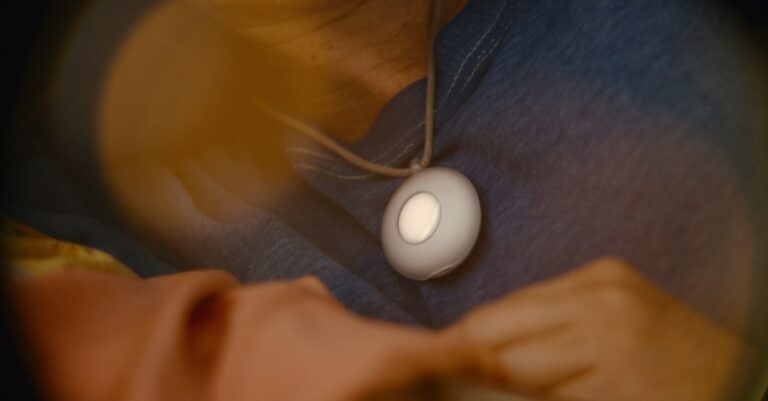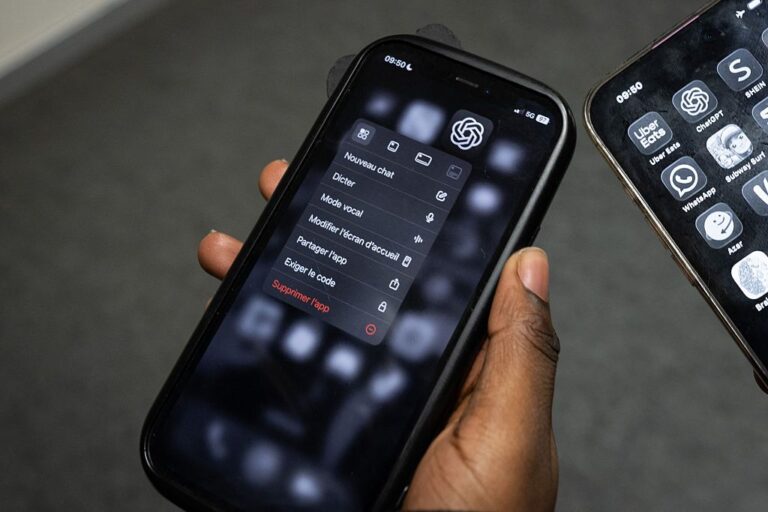
Avi Schiffmann, CEO of Friend, has announced that his AI pendant now includes a speaker and runs on OpenAI‘s latest models.
The hardware update
The new device adds a speaker to the back, allowing it to speak aloud instead of just sending text. This change makes the underside of the pendant bulkier than the original version. The price has also risen to $249, up from the initial $129.
Each unit comes with a random voice and personality set by the manufacturer. Users cannot change the name or voice, meaning you are locked into whatever version the company assigned to you.
An optional $10 monthly subscription extends conversation history beyond the standard 30-day limit.
Marketing and controversy
Schiffmann’s company placed ads for the necklace in New York, Los Angeles, and Chicago in 2025, followed by Paris in early 2026. The campaign generated significant backlash regarding AI usage.
Protesters graffitied the advertisements in public spaces, arguing the ads devalued humanity. The marketing effort received far more attention than the product itself.
Schiffmann posted a series of four videos featuring customers with the device. The clips often show individuals suffering from depression or loneliness. He stated this was a deliberate choice to highlight the real people using the technology.
“That’s life, isn’t it?” Schiffmann said. “I’m so much more intrigued to see how it’s affecting the people in those random Appalachian towns or whatever than it is [creating] slight productivity gains for finance people in New York. I don’t really give a fuck.”
He admitted the entire situation, including the media sensations, was intentional. He seems to enjoy provoking a reaction, leading some observers to question whether the project is an elaborate art piece rather than a genuine business venture.
“Reality is so over; everything is ironic now,” Schiffmann said. “Nothing is sacred anymore, and so Friend is both real but also, like, ridiculous.”
Business goals and limitations
Schiffmann sold the first run of 5,000 units. His target for the second version is 50,000 sales.
He noted he will likely stop selling the device in the European Union. Meeting the data privacy rules set by the General Data Protection Regulation makes it too expensive to operate there.
To reach his sales goal, he hopes to convince more “normal people” to adopt the product, despite the perception that users are odd.
Current marketing materials show users asking the device personal questions, such as whether they will ever get married or if their creative work is any good. The videos feature retro-looking color grading but convey a sense of quiet desperation.
Schiffmann has a strong interest in filmmaking and describes the industry as “played out.” He is involved in all the shoots for the company’s videos. He suggested the controversial AI companions might just be a means to pursue that passion.
“How do you make lonely weirdos look cool?” Schiffmann said. “I think it’s kind of interesting.”
What it means
The addition of voice output changes the interaction from a private text log to a public performance. The device now occupies physical space in the room, making the conversation harder to ignore. The fixed personality means users cannot tailor the companion to their specific needs or preferences.