“`html
The memory shortage is causing a significant impact on the pricing of consumer electronics, particularly in the smartphone market. David Oks provides a clear explanation for this phenomenon in his blog post titled “The memory shortage is causing a repricing of consumer electronics”.
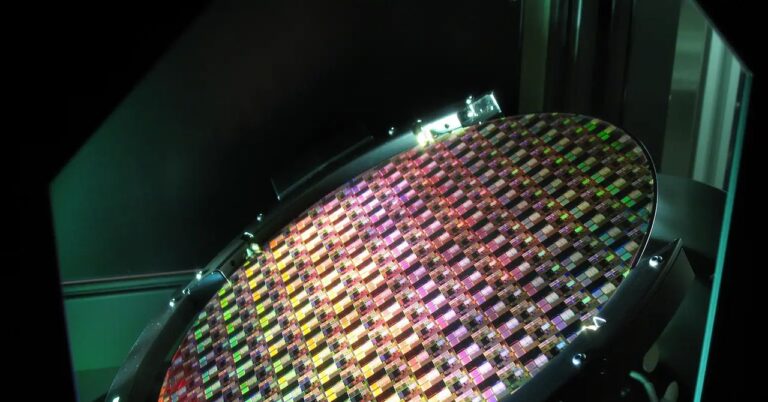
- Memory manufacturers have limited wafer capacity that they can process at any one time.
- This fixed capacity is allocated among different types of memory: DDR, LPDDR (used in mobile phones and low-energy devices), and HBM (high-bandwidth memory used with GPUs).
- The shift towards AI data centers has dramatically increased the demand for HBM, leading to a significant allocation increase from 2% to an expected 20% by the end of 2026.
This surge in demand for HBM is constraining production of consumer-device RAM, resulting in higher costs and pricing adjustments. The impact is most pronounced in the sub-$100 smartphone market, which is crucial to economies like Africa and South Asia.
“`
### Takeaways:
– **HBM Demand Surge:** The high-bandwidth memory (HBM) demand for AI data centers has pushed its allocation from 2% to potentially up to 20% by the end of 2026.
– **Impact on Consumer Electronics:** This shift is expected to lead to increased costs and pricing adjustments in consumer electronics, notably impacting smartphones priced below $100.
– **Market Disruption:** The memory shortage is reshaping the landscape for both enterprise and consumer markets, with implications for device affordability and accessibility.