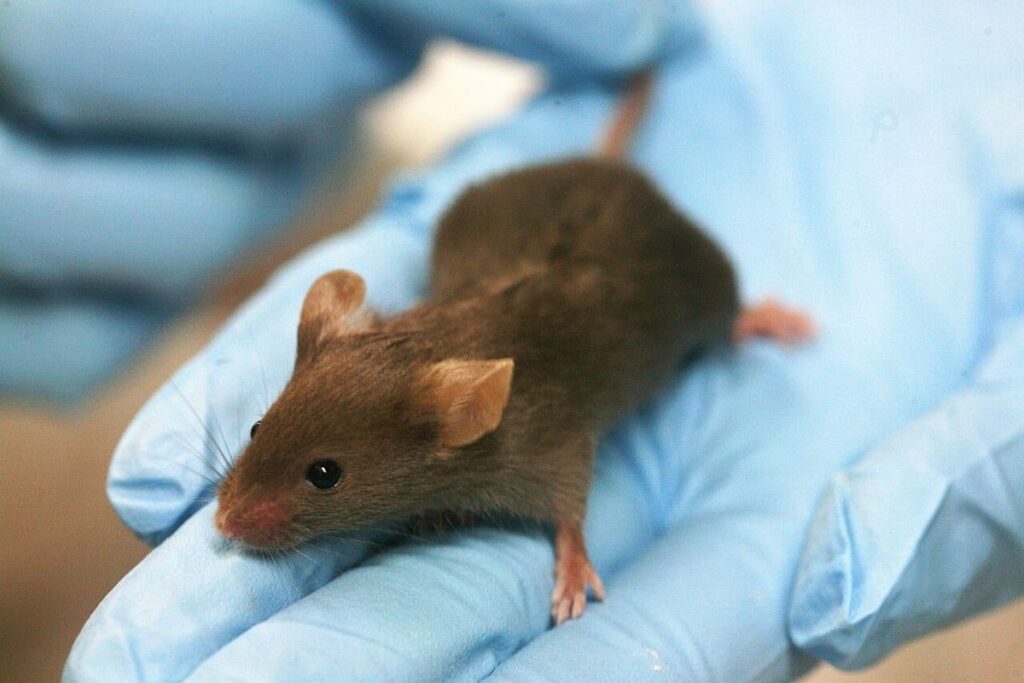
One exposure to cocaine alters the brain structure of mice for at least two weeks, according to research presented at the Federation of European Neuroscience Societies (FENS) Forum 2026 on Tuesday.
Researchers suggest the drug may rewire the genomes inside cells of the brain’s reward system, known as dopaminergic neurons. This finding could explain the mechanisms that drive addiction and potentially inform treatments for humans.
People can become hooked on cocaine the first time they try it, but addiction usually sets in on repeated exposures. Decades of research has identified many of the neurochemical pathways activated by cocaine, but much less is known about the disruptive impacts, also known as brain “insults,” on the genomes inside neurons.
“We essentially knew there were some unknown phenomena that were going on in the dopaminergic neurons that were not clear,” said Ana Pombo, Bloomberg distinguished professor of biology at Johns Hopkins University, and guest group leader at the Max Delbrück Center for Molecular Medicine, in a call with 404 Media.
“We were actually interested to know if there is any long-term memory [of exposure], and this has not been studied,” continued Pombo, who presented her team’s research on Tuesday at FENS, Europe’s largest neuroscience meeting. “There’s virtually no data we know of looking two weeks after this first exposure. Our experimental design was a shot in the dark.”
Like almost all cells, neurons contain copies of the genome, a genetic sequence unique to each individual organism that folds in complex structures. To observe cocaine’s impacts on the structure of the genome, Pombo and her colleagues studied the neurons of mice exposed to cocaine compared to a control group of unexposed mice. The team used an approach called genome architecture mapping that identifies where parts of the genome are in close proximity, or touch each other, which captures critical information about changes to its overall structure.
After 24 hours, the genomes of the exposed mice showed several changes relative to the control group. Even more significantly, some of those shifts were still present after two weeks. The experiment hints that one cocaine exposure is enough to imprint long-term injuries into the genome, which may prime the brain for a stronger addictive response to the drug on a second exposure.
“This would be like a silent injury, where the genome is altered,” Pombo said. “It looks like everything is normal, the mouse or the animal is going about its life, but if another exposure came along, it would have much more consequences.”
The experiment exposed cocaine’s impact on the brain at the genome level, but it also raises a host of other questions, such as how long these changes last and how they vary between individuals and species. To that end, the team are working toward repeating the experiment on longer timescales, such as six months or more, as well as with different animals.
“There’s going to be some elements of stochasticity,” Pombo said. “Each individual may respond slightly differently, depending maybe also on the time of the day, what’s going on, or what’s happened the day before.”
“The big question for us, where we believe we can contribute is really understanding the susceptibility, and trying to shed light on why some individuals become addicted and many don’t,” she continued. “So many people that get exposed to cocaine don’t become addicted. Only a small portion do. Why does this happen?”
The more scientists learn about the underlying mechanisms, the more they can parse that question—and perhaps, figure out ways to reverse the injuries done to the brain to help treat addiction.
“By looking at what parts of the genome are altered, we can identify candidate mechanisms that drive the alteration,” Pombo concluded. “We can also hypothesize ways in which it would be possible to somehow revert or encourage the system, at least the nuclear part, to reverse to the original status.”
What it means
For people making decisions about drug use, the study suggests that a single encounter with cocaine might change the biological landscape of the brain without the user noticing. This hidden alteration could make a second encounter much more dangerous or addictive. Understanding these silent changes might eventually allow doctors to develop treatments that repair the brain’s internal wiring.