For makers and artists in the aerospace sector, the latest news from Impulse Space serves as a stark reminder: while generative models dominate software development, the physical reality of building spacecraft still demands human hands. The company has just secured $500 million in Series D funding specifically to hire 200 new employees rather than deploy artificial intelligence for core engineering tasks.
The capital injection
The funding round was led by 137 Ventures and BANNER VC, with backing from Founders Fund, Lux Capital, and Linse Capital. This influx of cash signals that investors remain confident in space and defence technology, particularly as the U.S. government pours resources into national security and SpaceX approaches its initial public offering.
Building for the Space Force
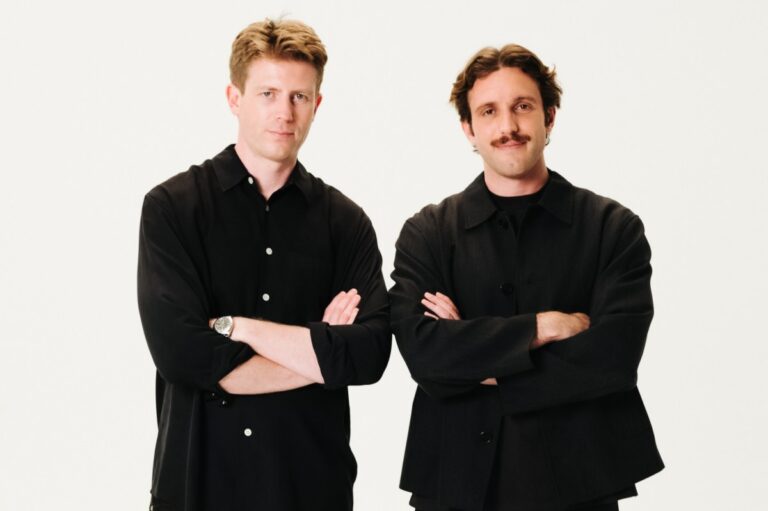
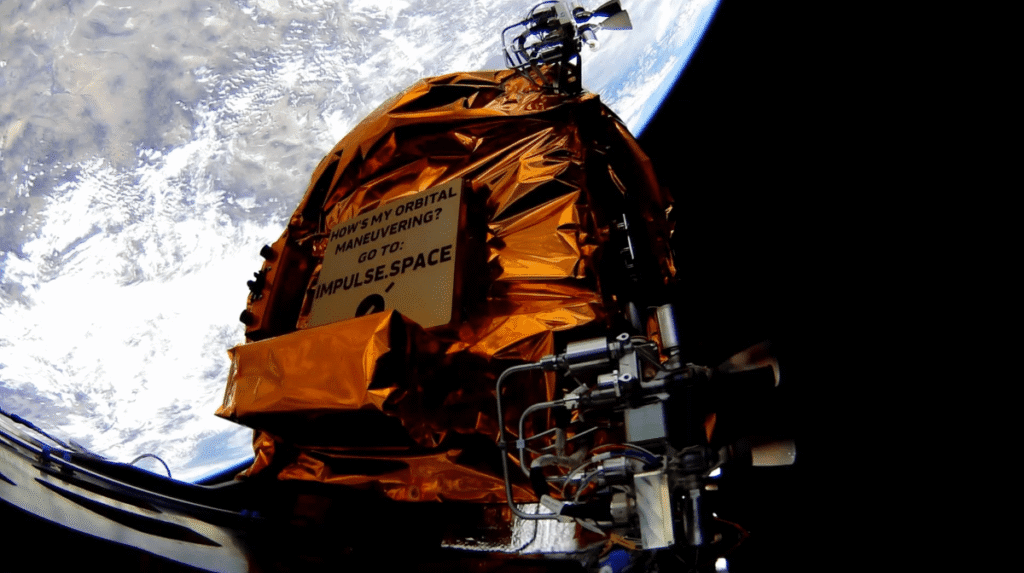
Impulse Space, founded by Tom Mueller-the engine guru behind SpaceX-is developing highly manoeuvrable spacecraft. Their current portfolio includes Mira, a platform targeted at U.S. Space Force buyers, and Helios, a vehicle designed to transport satellites rapidly into high orbits after they are dropped off in lower Earth orbit.
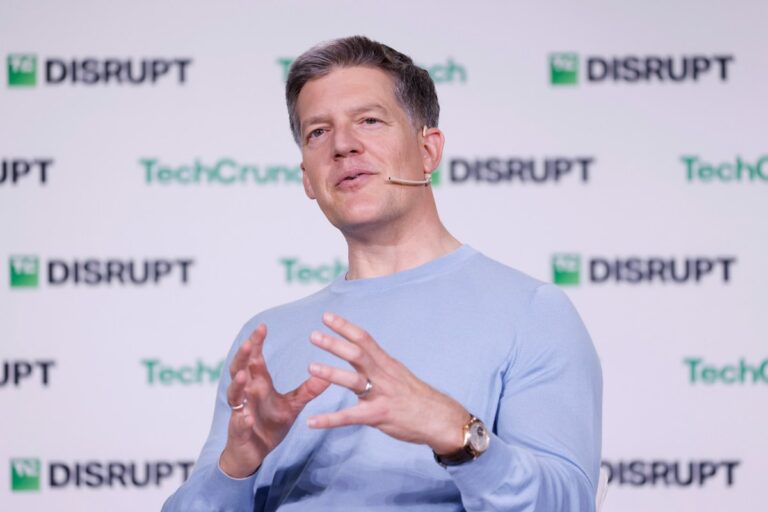
Eric Romo, the company’s President and COO, stated that the new capital will accelerate the construction and testing of additional space vehicles. He emphasised the urgency of these hiring plans, noting that aerospace talent is currently in high demand.
Why humans beat algorithms for hardware
While Impulse’s software teams are utilising AI coding tools, Romo argues that deep learning models are not yet ready to solve real-world engineering problems. As the 13th employee hired by SpaceX in 2003, Romo spent his early years creating computer simulations to assess engine design performance.
“I considered it success if I got within 20% of the right answer, because the simulations were just not that good,” Romo said. “They’ve improved, but they’ve not improved that much, and so there’s not really any substitute for designing the thing, analyzing the thing, building it, and then getting it on the test stand.”
Romo suggests that AI tools for hardware design will arrive later than those for software because the necessary training data is scarce. Unlike the vast amounts of text and code available online to train large language models, specific hardware designs are not easily accessible.
“If you want to go, say, find the best designs for a turbo pump seal package in the world, you’re not going to find those online,” he points out.
Expanding beyond Los Angeles
Impulse began with a focus on propulsion before evolving into full spacecraft construction, which required adding engineers capable of building vehicle structures and flight computers. One reason the company recently opened an office in Colorado is that aerospace talent now has more options; engineers are no longer forced to relocate to Los Angeles and can find work in Seattle, Denver, or Texas.
Current challenges and future launches
Up next for Impulse is another launch of the Mira spacecraft, which completed its third flight late last year. That mission was not without incident: a navigation system issue caused the vehicle to expend much of its propellant early on.
Romo confirmed that the company is preparing a new Mira mission, which is expected to launch before the end of the year.
Key takeaways
- Impulse Space has raised $500 million to hire 200 people, betting that human engineers are superior to AI for complex hardware design.
- Eric Romo notes that while software simulations have improved, they still lack the precision needed for critical aerospace engineering without physical testing.
- The scarcity of specific hardware training data means AI tools for mechanical design will lag behind those for code generation.
- Impulse is launching a new iteration of its Mira spacecraft later this year following a propellant loss issue on its previous flight.