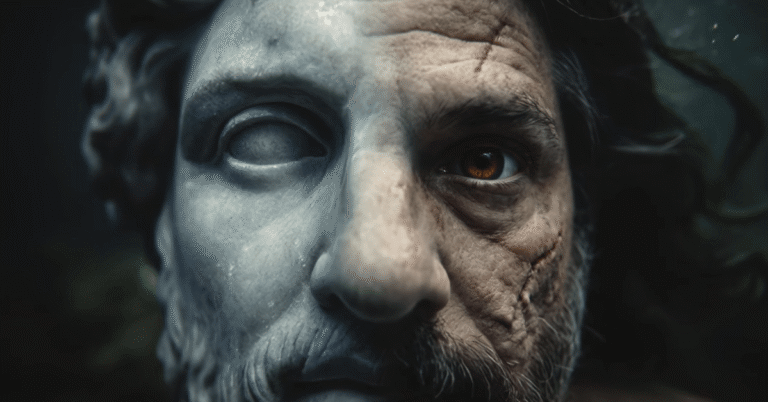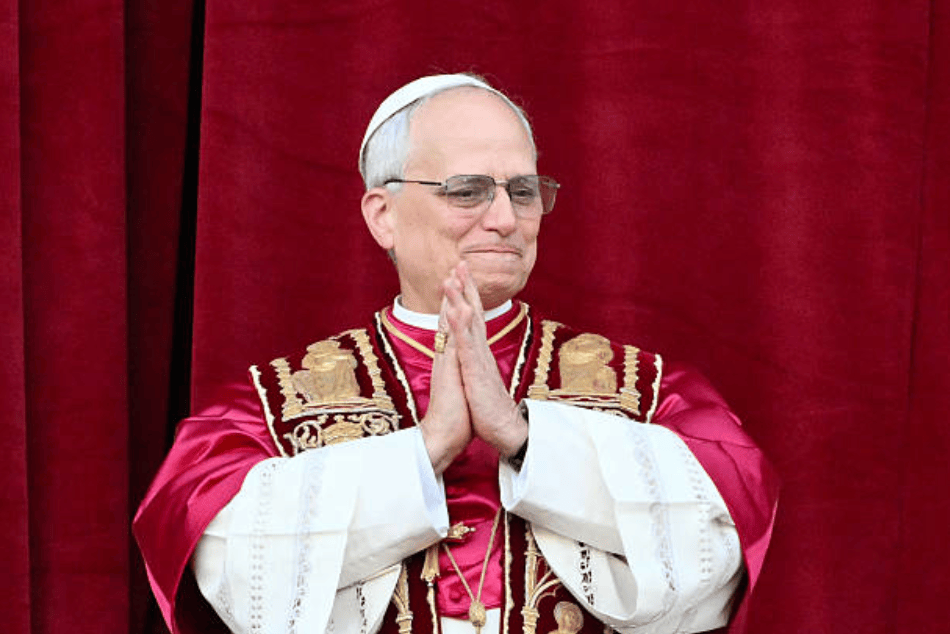
Critics of AI-generated art have a powerful new ally in His Holiness the Bishop of Rome, who issued a statement on X regarding the spiritual distinction between human creation and machine output. In a post on Friday morning, Pope Leo XIV argued that there is an ontological difference between art made by people and what algorithms produce through statistical calculation. He wrote that algorithms lack the spark of humanity because they rely on millions of images created by others rather than personal experience. This view follows an encyclical letter released in May that emphasised human dignity amidst increasing automation. Despite this stance, technology firms continue to approach the Vatican. A recent New York Times report noted that Anthropic has actively lobbied the supreme pontiff to reconsider its position on non-human consciousness. Those efforts have found little success so far.
The significance lies in the institutional weight behind the criticism of automated image generation. The Vatican represents a significant cultural and moral authority that influences global public opinion on ethical technology use. Its clear rejection of AI art challenges the narrative that such tools are purely neutral or beneficial. This position may affect how religious communities and conservative groups engage with digital media in the future.
* The Pope specifically cited statistical calculation as the core flaw in machine art.
* Anthropic’s lobbying attempts regarding non-human consciousness have been unsuccessful.
* The statement was published on the social media platform X.