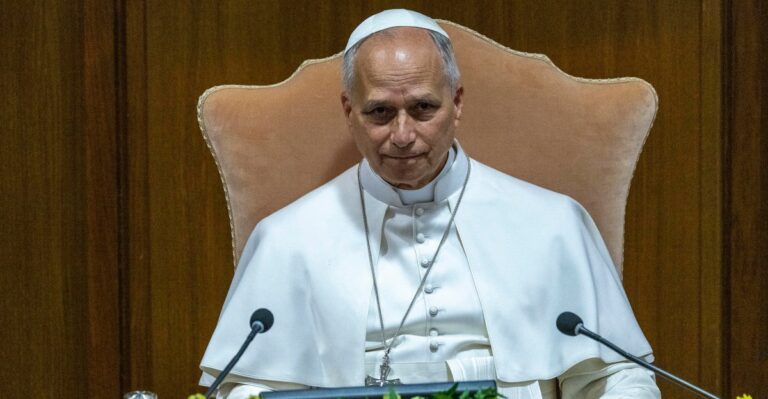

Pope Leo XIV has called for the disarmament of artificial intelligence systems during a recent address at the Vatican. Speaking to United Nations member states in Geneva, the pontiff urged nations to take concrete steps toward banning lethal autonomous weapons at next month’s meeting. He stated that humans hold the responsibility to guide, change, or reject AI applications when necessary. The Pope emphasised that machines are tools, not persons, a sentiment consistent with his first major encyclical from May which focused on safeguarding the human person in the age of artificial intelligence. This intervention marks a significant moment where religious leadership directly engages with international security policy regarding autonomous technology.
The statement matters because it places moral weight on the definition of warfare and accountability in automated systems. By framing AI as a tool rather than an actor, the Pope reinforces the idea that human judgment must remain central to decisions involving life and death. This perspective challenges the notion that algorithms can independently make lethal choices without human oversight. It also highlights the growing intersection between religious ethics and global technology governance.
- The Pope specifically targeted lethal autonomous weapons during the address.
- His comments align with his previous May encyclical on human dignity.
- The call for disarmament was directed at United Nations member states.