For creators and makers, the constant stream of visual inspiration-from a half-finished recipe to a design reference-often ends up as digital noise. Pool arrives to change that dynamic, transforming your chaotic screenshot collection into a functional, searchable memory bank. Instead of letting these moments gather dust in your Camera Roll, the app actively retrieves the original context behind every image, turning passive snapshots into actionable resources for your next project.
From screenshot clutter to actionable context
Upon granting access, Pool categorises your images into custom “pools” based on the specific products, locations, or ideas you have saved over time. While competitors like mymind, Fabric, and Raindrop focus on organising links and general content, Pool specialises in screenshots, leveraging artificial intelligence to help you rediscover and act on what you intended to revisit.
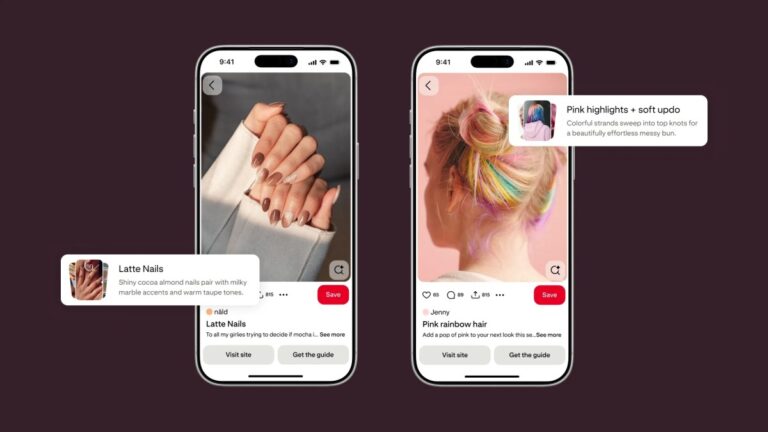
The core utility lies in its ability to reverse-engineer the source. If you captured a product image, the app locates the retailer’s page. If you saved a recipe from social media, it extracts the ingredients and instructions. It effectively bridges the gap between a fleeting visual memory and the original digital asset.
Born from necessity, revived by AI
The concept emerged from the shared frustration of co-founders Maxime Junique and Piet Terheyden. As they noted, the habit of screenshotting inspiration is universal, yet the inability to retrieve it later is a common pain point. Their friends confirmed that design ideas and other inspirations were frequently lost in the same way.
Pool was initially the first project from Spinoff Studio, the founders’ design firm. The initial build was constructed in Lisbon over a few weeks while the team operated out of a van. However, the studio pivoted to B2B SaaS to generate revenue, shelving Pool temporarily. The studio later built Waitless, a CRM tool that was acquired last year.
Technology finally made the project viable through the maturation of AI. Junique described the current moment as a perfect opportunity to tackle this “deeply emotional data set,” which has been largely ignored compared to productivity-focused data like emails and bank transactions.
Smart organisation and future expansion
The app treats screenshots like memories, prioritising relevance over time. A screenshot of an event ticket barcode might be flagged as obsolete once the event concludes, whereas a flyer for an upcoming show will trigger AI agents to locate ticketing links and purchasing options.
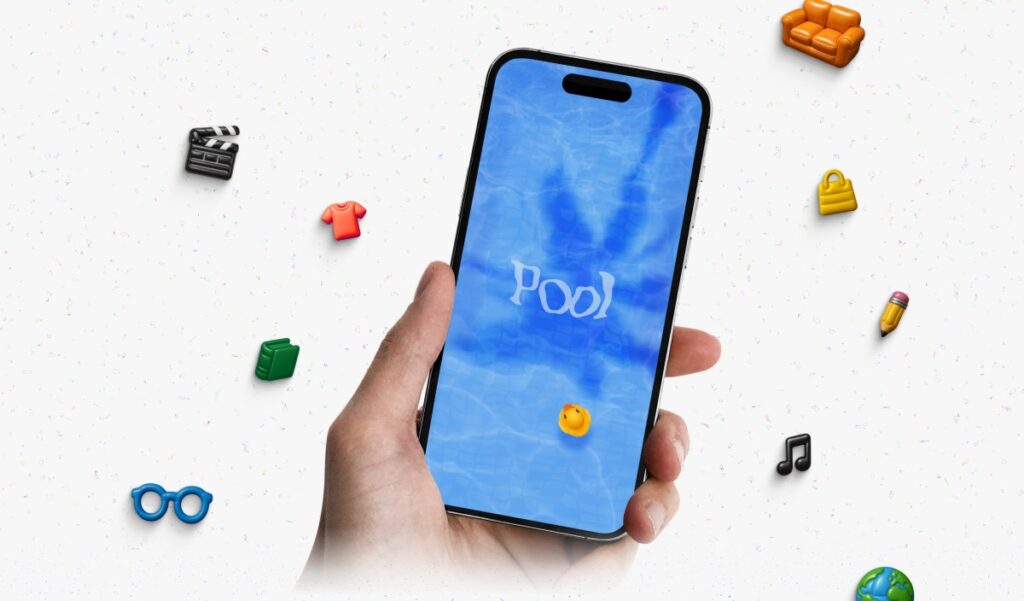
Users can navigate this library through standard search or by querying the built-in AI assistant. Looking ahead, the founders plan to launch a second application acting as a personal assistant. The rubber duck mascot, currently used to enter Pool, will serve as a brand element for this upcoming agentic AI tool.
The team is currently based in Lisbon, having moved on from their van days, and recently travelled to San Francisco to meet investors. Pool previously secured a pre-seed round exceeding $2 million from General Catalyst, Kima Ventures, Source Ventures, and angel investors including Winston Du, Julian Blessin, and Thomas Ricouard. The iOS version is available for free download now.
Key takeaways
- Pool transforms passive screenshots into active resources by automatically locating original links, recipes, and product details.
- The app distinguishes itself by focusing on unstructured, personal data rather than standard productivity datasets like emails.
- Relevance is dynamic; the AI filters content based on context, such as removing expired event tickets while highlighting upcoming opportunities.
- A second agentic AI app is in development, expanding the brand beyond simple organisation into active assistance.