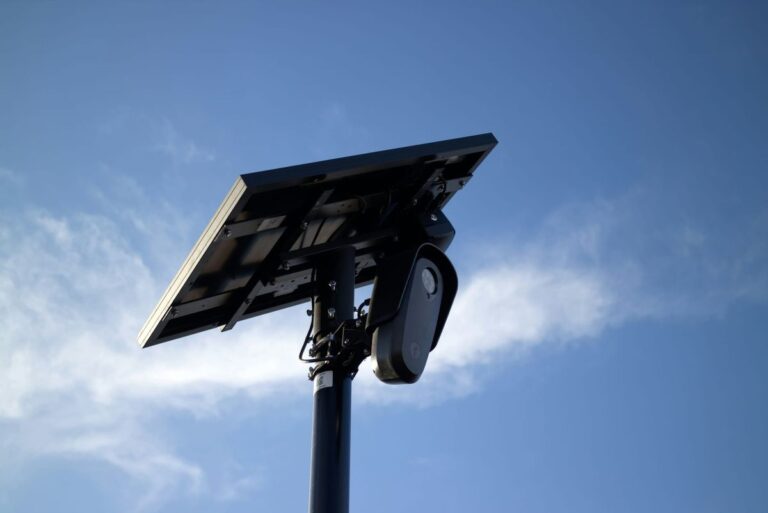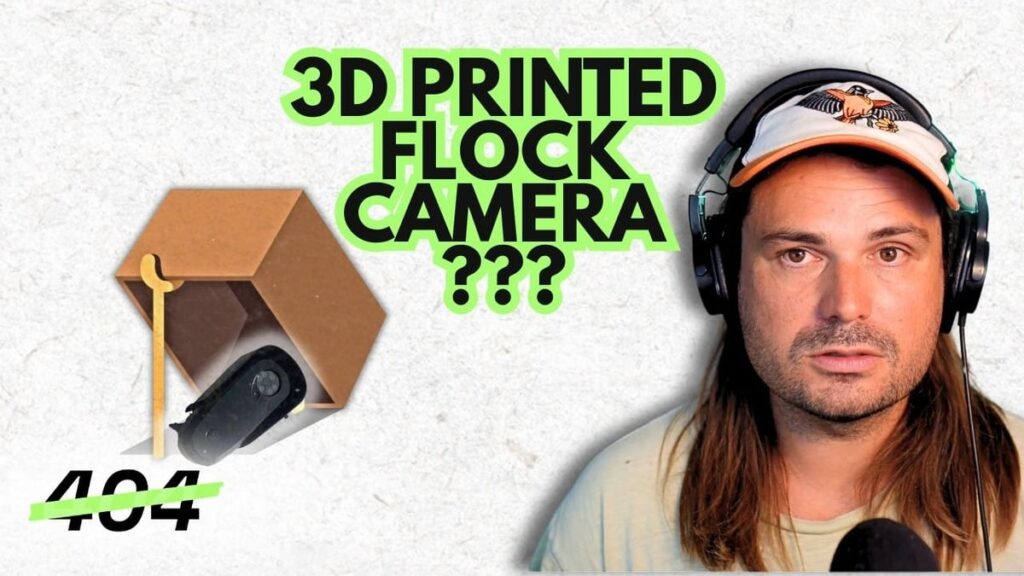
A police officer in the United States recently constructed a 3D-printed replica of a Flock camera to catch a vandal who smashed the device. The suspect was subsequently charged with three felonies for destroying property worth thousands of dollars, even though the object was a decoy rather than a functional surveillance unit. This incident highlights a growing legal ambiguity surrounding the protection of non-operational replicas used in law enforcement operations. The core issue is whether the law should protect the physical object itself or the intent behind its deployment as a deterrent. Without clear guidance, officers risk prosecution while attempting to protect legitimate assets, creating a complex dynamic for public safety strategies.
* The suspect destroyed a 3D-printed model intended to look identical to the real Flock camera.
* Prosecutors argue that the replica holds significant value as a tool for preventing future vandalism.
* Legal experts are currently debating if destroying a fake counts as property damage.