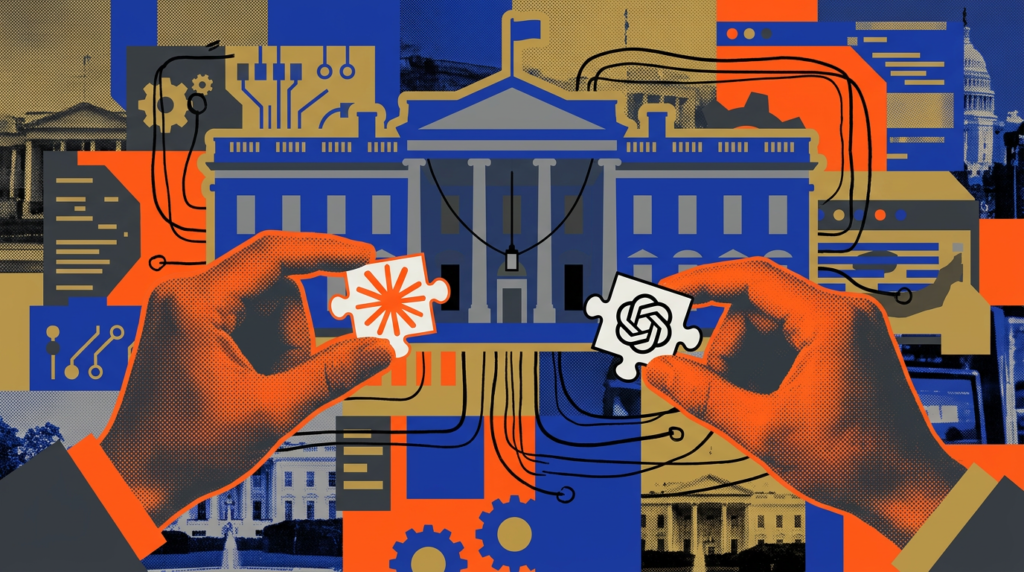
OpenAI is discussing a deal with the Trump administration to hand over a five percent stake in the company, a move that would value the share at more than $40 billion based on an $852 billion valuation.
The Financial Times reports that two people familiar with the talks confirmed the proposal. It would not be limited to OpenAI; the plan calls for other major US AI developers to contribute similar shares to a shared vehicle.
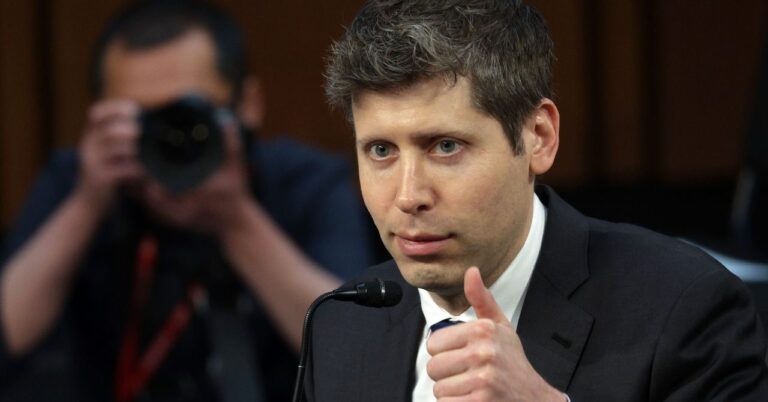
CEO Sam Altman believes giving the public a financial interest is the best method to share profits from artificial intelligence development. The discussions are still at a conceptual stage and have reportedly been ongoing for over a year. Implementing the plan could require an act of Congress.
A sovereign wealth fund modeled on Alaska
The proposal mirrors the Alaska Permanent Fund. That state fund invests oil revenue into stocks and pays dividends to the government and residents.
Reports suggest Altman has negotiated directly with President Trump, Commerce Secretary Howard Lutnick, and Treasury Secretary Scott Bessent. He also spoke recently with Democratic Senator Bernie Sanders. Sanders wants far more than this initial offer, pushing for a public stake of nearly 50 percent in every US AI company through a sovereign wealth fund.
One motive could be blunting political pushback, which has recently focused on cybersecurity. The job market could become the next flashpoint if the AI labs’ predictions of mass unemployment driven by artificial intelligence come true.
Critics are also likely to see the move as a way to insulate the company against bad economic bets. Once the government owns a stake, a bailout becomes more likely if OpenAI’s finances go south.
OpenAI floated a similar idea not long ago. In April, the company proposed a public wealth fund meant to give every citizen, regardless of their starting wealth or access to capital, a share in AI-driven economic growth. The current talks with the Trump administration build directly on that proposal but put concrete numbers to it for the first time in the form of an equity stake.
OpenAI declined to comment to the Financial Times. The White House did not initially respond to a request for comment.
What it means
For people making things, this shift suggests the government is moving from a regulator role to a partner role. If the administration holds equity, it gains a direct financial interest in the output of these tools. This could change how safety features are prioritised, as the state would want the technology to succeed commercially while managing the risks of disruption.