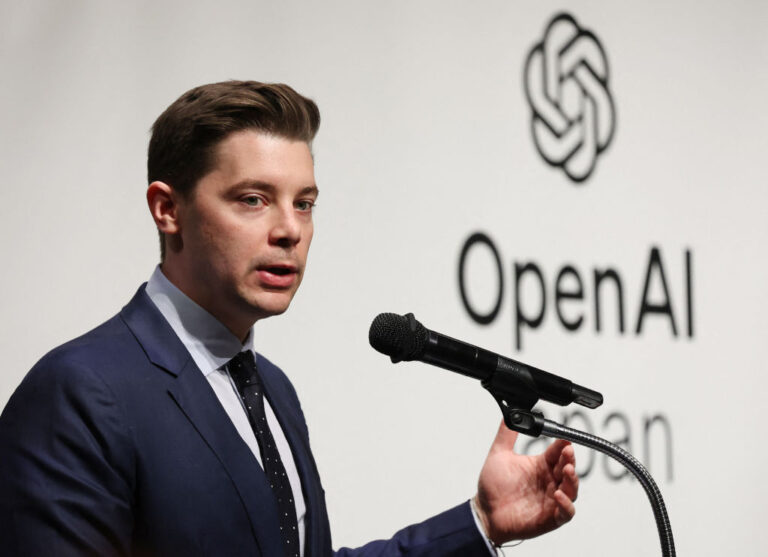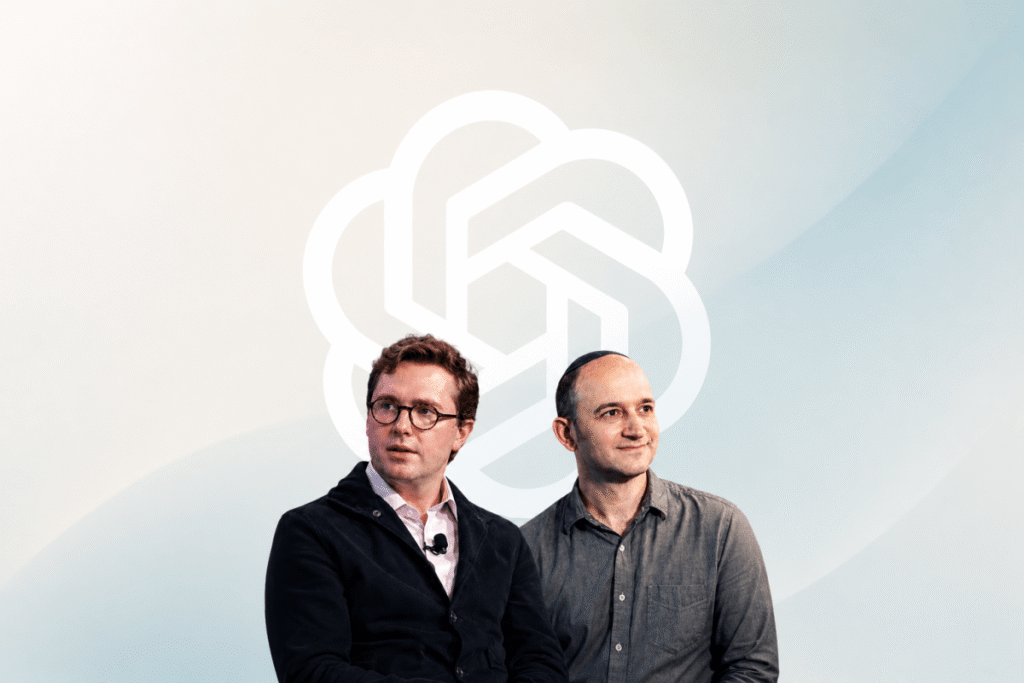
For creators and artists, the impending IPO of OpenAI signals a shift in how the technology that powers generative tools is governed. As the company prepares its public debut, it is fortifying its leadership with heavyweight figures from the world’s most influential labs and Washington policy circles, aiming to stabilise the regulatory landscape before the company faces public scrutiny.
Shuffling the deck at the top
OpenAI has announced the arrival of Noam Shazeer, a titan in the field of artificial intelligence, and Dean Ball, a former official in the White House. Shazeer, widely recognised as a co-lead architect of Google’s Gemini project and the founder of the AI role-playing platform Character AI, confirmed his exit on Wednesday. His tenure at Google began in 2000, interrupted only by a three-year spell co-founding Character AI. Two years ago, Google re-acquired Shazeer in a $2.7 billion transaction, securing access to the startup’s underlying technology.
This recruitment drive is part of a broader reshuffling of talent among the leading AI laboratories, including Google, OpenAI, Anthropic, and Meta. Shazeer is regarded as one of the foundational architects of modern generative AI. He co-authored the landmark 2017 paper “Attention Is All You Need,” which introduced the Transformer architecture that underpins much of today’s machine learning.
Before departing Google, Shazeer reportedly stirred controversy regarding internal discussions on transgender identity and Israel’s war in Gaza. According to The Information, he voiced opinions on internal messaging boards that led management to delete his posts. Whether these past disputes will accompany him to his new role remains uncertain.
Bringing in the policy experts
While securing technical talent, OpenAI is also bolstering its policy credentials by appointing Ball. Ball spent a brief period last year in the White House, assisting in the publication of the US AI Action Plan, before stepping down to rejoin the techno-libertarian think tank the Foundation for American Innovation as a senior fellow.
“I am pleased and honored to announce that, on July 6, I’ll be joining OpenAI as leader of a new team called Strategic Futures,” Ball wrote on X on Thursday. “Our mandate will be to help the company’s leadership shape frontier AI policy.”
Ball will report directly to Chief Strategy Officer Jason Kwon. The “small, high-agency team” will focus on “matters pertaining to: catastrophic risk, recursive self-improvement, labor market impact, and the relationship between the frontier labs, governments (particularly the U.S. Federal Government), and society,” Ball stated in a blog post.
The Strategic Futures team will oversee both public-facing policy and internal governance. Ball emphasised that the latter is crucial, noting that “almost by necessity,” AI labs must lead on AI governance decisions.
“In other words, internal governance will be more central to the future of AI than most people realize,” Ball wrote.
A contrast to the competition
Ball’s move to OpenAI, which is currently viewed favourably by the administration, stands in stark contrast to the situation facing Anthropic. Late last week, President Donald Trump ordered an export control ban on Anthropic’s latest models, Fable 5 and Mythos 5, forcing the firm to remove the models entirely to avoid noncompliance. For any company anticipating “government interference” on their risk assessment, Ball represents the strategy of locking in insider status while a rival faces regulatory pressure.
TechCrunch has reached out to OpenAI for further details.
Key takeaways
- OpenAI is strengthening its leadership ahead of its IPO by hiring Noam Shazeer and Dean Ball, blending deep technical expertise with high-level policy experience.
- Shazeer’s return to Google via a $2.7 billion deal highlights the intense competition for foundational AI talent among major tech giants.
- Ball’s new “Strategic Futures” team will tackle critical issues including catastrophic risk, recursive self-improvement, and the relationship between AI labs and the US government.
- The hiring comes as Anthropic faces an export ban on its latest models, underscoring the divergent fortunes of top AI firms under current administration policies.