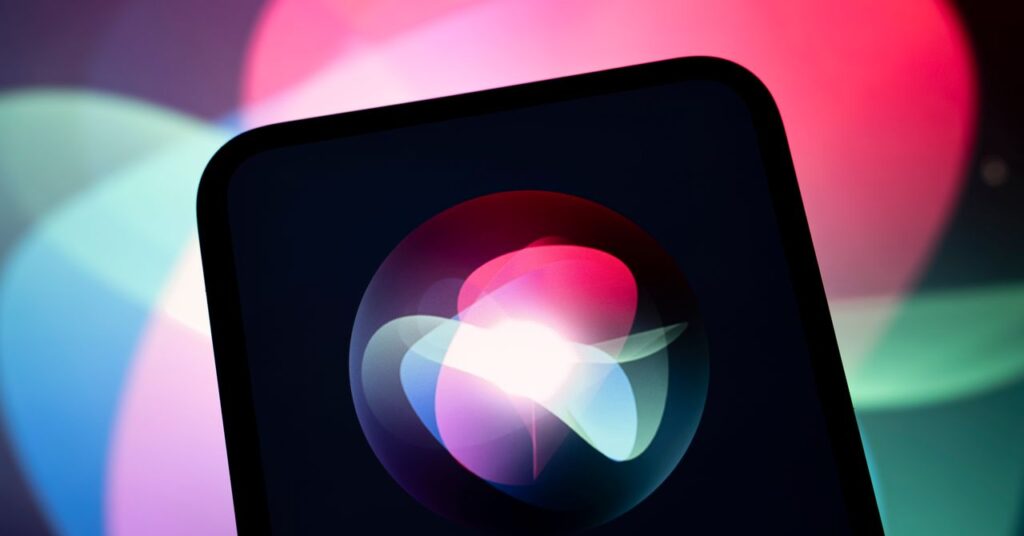
The developer beta for Apple’s Siri AI felt like a genuine upgrade when I used it to navigate San Francisco. The answers were reliable and the chat interface looked polished. I expected this new smartphone assistant to become my primary tool for everything.
Over the next month, I kept testing the iOS 27 beta. The tool proved powerful, particularly when it indexed the contents of my phone to find old text messages or photos. Even so, my usage slowly declined.
Siri AI is better now. This new version is a significant step forward. My reaction to that improvement is devastating. The assistant is not revolutionising how I interact with my device, despite being built directly into the hardware with a focus on privacy.
I did not mind the change, essentially treating the assistant as a search bar. As the summer months faded, I did not grow hostile toward the software. I simply became neutral.
Old habits die hard. I returned to doomscrolling Instagram and aimless Yelp searches. I manually typed and swiped rather than relying on an assistant. I was already using Anthropic‘s Claude fairly often on my phone.
Analysts say this trend among power users will not matter. Everyday users are often fine with Apple’s default software. “Will Siri bear the weight of criticism for not being as good as some of its peers? Sure,” says Dipanjan Chatterjee, vice president and principal analyst at Forrester. “Will it make a difference to the vast installed base of iPhone users and cause them to look elsewhere? Not a chance.” Some iPhone users trust Apple with their data in ways they do not with any other company.
Tech analysts see Apple’s long-cultivated consumer trust in data privacy as a compelling distinction. Ramon Llamas, a research director at the International Data Corporation, believes users deep in the Apple ecosystem may be open to trying the new Siri.
My experience with Siri AI—loving it and then leaving it for dust—may be an outlier. Many other beta testers are still using the assistant regularly.
“In the past, I was unwilling to trust that Siri could do anything useful,” says Avi Greengart, founder and lead analyst at Techsponential. “But with the latest beta software, I’m finding myself not only using it more, but for more things: Siri is now able to find information buried on my phone faster and more efficiently than any other method, its world knowledge is vastly better than before, and even dictation works better.”
That said, a cultural backlash to generative AI has been brewing. Another solid segment of iPhone owners may choose to avoid the new Siri altogether because of the AI attached to its name. Whether it is a moral objection or broader distrust of AI tools, these holdouts are unlikely to be won over by feature improvements.
Ultimately, my own summer fling with Siri AI was short-lived. But I promise, it is not you. It is me.
What it means
For people making things, the main change is a shift in trust. The tool works better at finding local data, but it does not force a change in daily workflow. Users who prefer other chatbots or who distrust AI in general will likely ignore the improvements. Those who trust Apple with their data may stick with the default assistant.