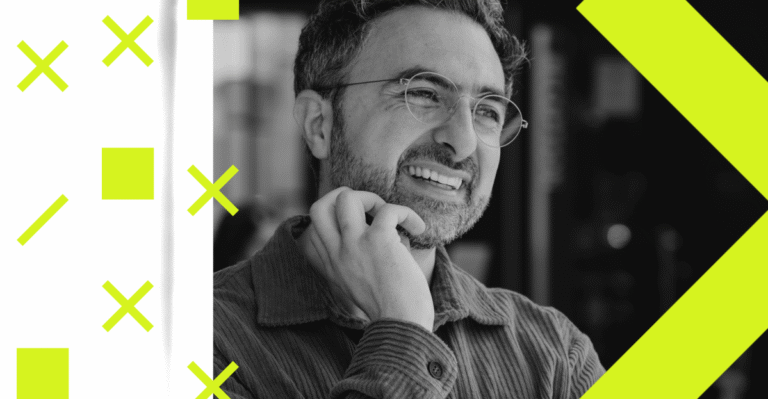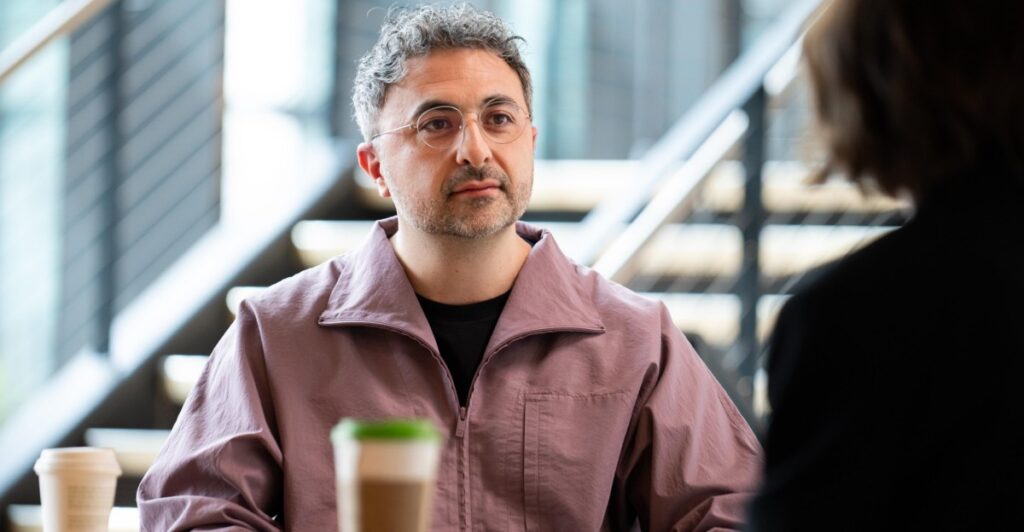
Microsoft AI head Mustafa Suleyman has clarified his previous remarks regarding artificial intelligence replacing white-collar professions. During a recent episode of the Decoder podcast, the executive stated that tasks such as drafting emails, managing projects, and creating presentations would increasingly become automated. Following criticism from industry observers and the public, Suleyman walked back the implication that these roles would vanish entirely. He explained that while specific sub-tasks will be digitised and handled by machines, the core jobs of lawyers, accountants, and project managers will remain. His revised position emphasises that automation will enhance efficiency and speed rather than eliminate the need for human professionals in these fields.
This correction matters because it signals a shift in how major technology firms frame the impact of generative models on the workforce. The initial suggestion of widespread job displacement caused concern among employees and policymakers who feared mass redundancies. By clarifying that AI acts as a tool for augmentation rather than replacement, Microsoft aims to alleviate anxiety and maintain trust with its user base. This distinction is crucial for the broader adoption of AI, as organisations are more likely to invest in productivity-enhancing tools when they do not fear losing their staff. It also sets a precedent for other tech leaders to communicate the nuanced reality of automation without resorting to alarmist narratives.
- Mustafa Suleyman clarified that AI will automate specific sub-tasks within white-collar roles, not the roles themselves.
- The update aims to counter fears of mass job displacement and reassure employees about the future of their careers.
- Microsoft is positioning AI as an efficiency tool for augmentation rather than a mechanism for workforce reduction.