Meta’s AI agent Muse gained 500,000 users in its first week, though the company admits to copying OpenClaw
Meta’s new AI agent, Muse, attracted more than 500,000 users during its first week in the United States. The application reached over 250,000 daily active users by September 15. Together, these accounts entered more than two million prompts, according to internal data shared with The Information.
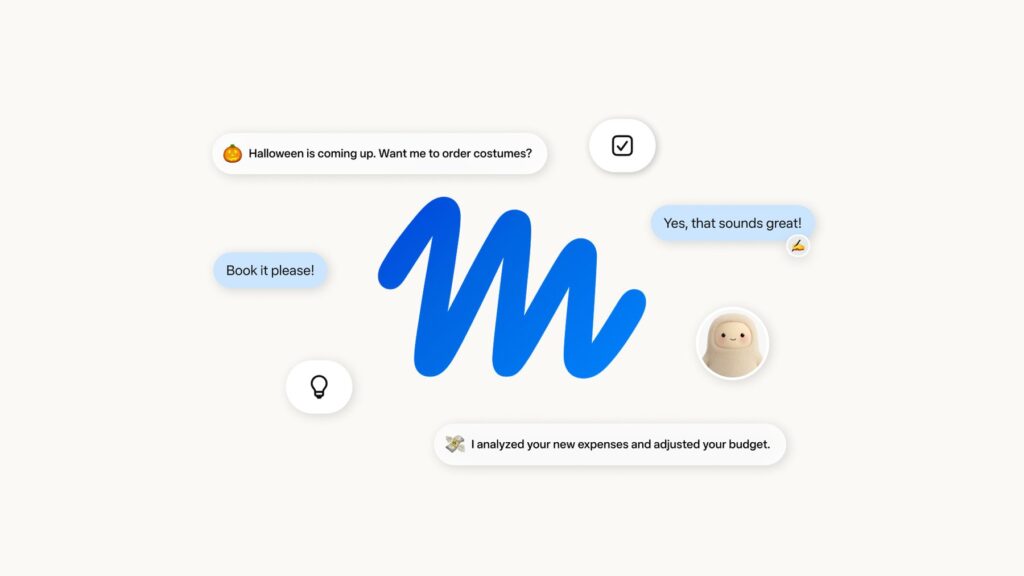
The app is available as a standalone download and within WhatsApp. It topped Apple’s App Store charts with over 31,000 ratings. The software is designed to perform routine tasks such as researching flights, booking appointments, finding deals, tracking expenses, and resolving scheduling conflicts.
Meta openly credits OpenClaw for the idea behind Muse
Meta has acknowledged that Muse borrows heavily from the open-source project OpenClaw. Nat Friedman, head of product at Meta Superintelligence Labs and former CEO of GitHub, wrote on X that Muse is “definitely heavily inspired as a product by OpenClaw” but was “built from scratch.” Friedman stated his team fell in love with OpenClaw and set out to build something similar that could scale to billions of people. He called OpenClaw creator Peter Steinberger a “genius.”
Users on X had already noticed that Muse uses some of the same file names as OpenClaw, with nearly identical contents. One example is a SOUL.md file, a text file that defines an AI agent’s personality, communication style, and rules of behavior.
Ansh Nanda, co-founder of an AI app, claimed in a viral post that “Muse is LITERALLY OpenClaw for normies.” When someone asked why the file names and contents were nearly identical, Friedman simply replied, “we thought that Peter [Steinberger] got those things exactly right.”
TechCrunch says the move fits Meta’s familiar playbook of spotting promising products and copying their best features. The best-known example is Meta’s adoption of the Stories format that Snapchat invented.
Strong early numbers don’t guarantee Muse will last
It is unclear whether the early interest in Muse will turn into lasting use. According to TechCrunch, Muse even beats ChatGPT‘s early mobile launch when you compare platforms and market availability directly.
OpenAI has also discussed building its own personal AI assistant in response to Muse, according to The Information. The real test is whether users will give AI agents access to their personal data, accounts, and sensitive information.
What it means
For people using these tools, the immediate change is a lower barrier to entry for automated assistance. Muse offers a ready-made solution for tasks like travel planning without requiring users to build a custom agent from scratch. However, the admission of copying an open-source project highlights a tension between rapid commercialisation and community innovation. Users must decide if the convenience of a pre-built agent is worth the risk of handing over private account details to a company known for adopting features from others.