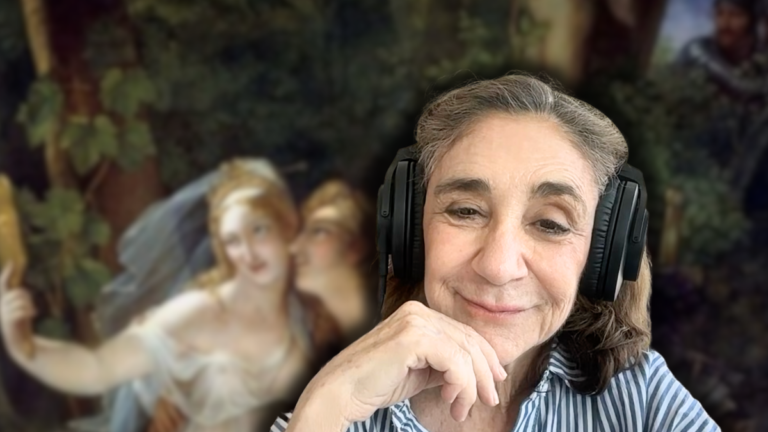
Sherry Turkle, an MIT professor who has spent forty years studying human-computer interaction, has released a new book titled Artificial Intimacy: Who We Become When We Talk to Machines. The text argues that our reliance on machines posing as tutors, friends, and lovers has created an emergency threatening our humanity.
From curiosity to alarm
Levy asked Turkle why her tone had shifted from careful observation to urgent warning. She noted that while she began the research curious, conducting interviews during the pandemic changed her mind. She heard people suffering in their families yet insisting they wanted to hang out with chatbots instead of facing reality. People were avoiding politics and politics in favour of living in a chatbot world. The book concluded that reality needs us, and it was a terrible time to abandon it.
The role of social media
Turkle argues social media prepared the ground by normalising the idea that opening a computer when feeling sad was acceptable. It also kept users isolated with their own kind. The new technology adds no reason to remain in the first person. She believes chatbots should be banned from using first-person pronouns.
She warned against the myth that chatbots are merely for practice before talking to a boss or lover. Users bathe in the warm soup of total acceptance provided by large language models. This makes talking to machines the endgame rather than a rehearsal.
The human in the loop
Turkle dislikes the term human in the loop because it implies the human has been removed from the productive process and is only there for cleanup. This cleanup involves catching hallucinations or errors the AI misses. Employers rarely have enough humans to change anything. The role exists partly to make litigation sound better and partly to give a false sense that the process has not been delegated to an algorithm. It has been delegated.
Can AI replace conversation
While some feel empowered by positive feedback from powerful chatbots, Turkle insists an AI will never replace human conversation. An artificial intelligence is not afraid of death, illness, or pain. It does not love its children. It does not care if you kill yourself or make dinner. Raising children with it or having intimate conversations with it will cause us to lose contact with real people.
She acknowledged that many people have nobody to talk to and feel chatbots help. If there is a crisis of loneliness, it is because we are abandoning each other. She stated she would turn a data centre into resources for the elderly.
Studies show most people are skeptical about AI, yet hundreds of millions use them. Even those who push back against data centres use chatbots. The goal of the book is to expand the terms of this pushback to include this more intimate connection.
What it means
Turkle feels she has more hope now than six months ago. She cites recent talk about extinction events, Hugging Face, and people accidentally getting into the Australian civil service as signs that people will look at the intimate costs of AI as well as the non-intimate ones.