Hollywood remains divided over artificial intelligence in filmmaking, yet actor and director Mark Wahlberg argues the technology has a place in the industry provided it is applied correctly.
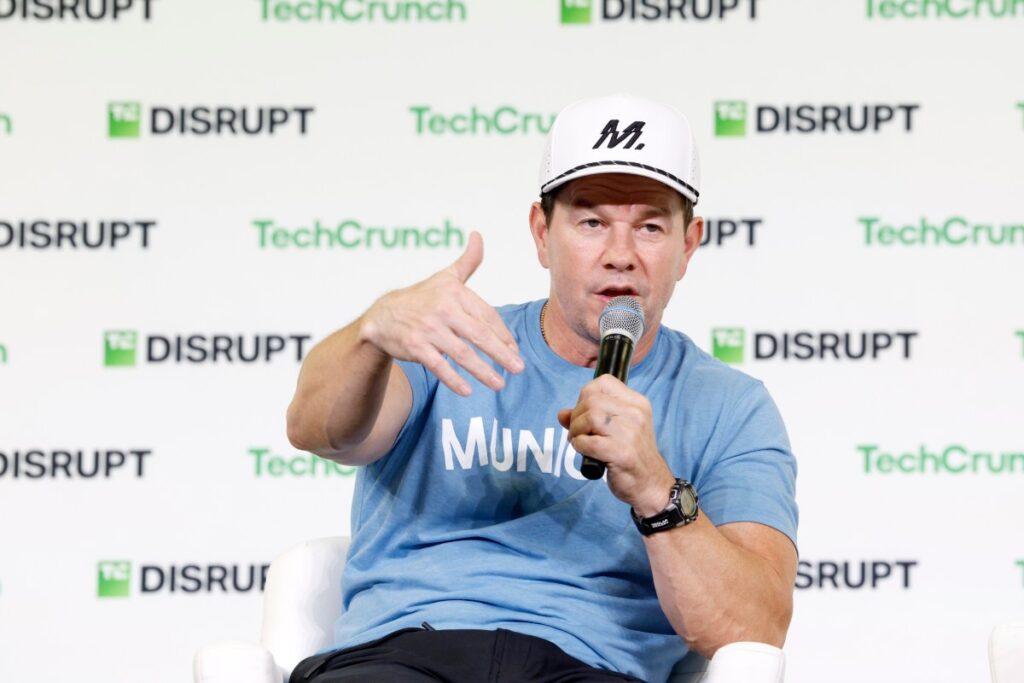
Wahlberg, an entrepreneur and angel investor, spoke at TechCrunch Disrupt to outline his views on AI in film production. He confirmed he is open to an AI likeness of himself continuing his legacy after he is gone.
The actor intends to potentially use AI to improve specific elements of the upcoming Pete Rose biopic where he plays the title character.
“It’s a fairly expensive movie, but, we’re talking about utilizing [AI] to enhance the stadium setting, things of that nature,” Wahlberg said. “I don’t think you should just, you know, put an idea into ChatGPT and it puts out a script, and then you should go make that and not use real actors. But if you can use it to enhance what you’re doing, I’m all for that.”
Wahlberg emphasised that storytelling must remain central to filmmaking.
“I’ve done big, effects-driven movies,” Wahlberg said. “I think I was in that kind of sweet spot when the first Jurassic Park was made, or when Perfect Storm came out, and you had that wave, the 100-foot wave that was in the trailer. Those are cutting-edge moments in technology with computer-generated images. Now, I think it’s hard to do that, so I’m not so passionate about effects-driven movies per se, as opposed to real storytelling.”
TechCrunch Editor-in-Chief Connie Loizos asked if Wahlberg had visited the CAA Vault, a Creative Artists Agency facility where actors can use scanning technology to capture their bodies, faces, movements, and voices to create AI replicas.
Wahlberg said he had not visited but would be open to the idea.
“I would be interested because I think in the future, if that’s where things go, it would be cool that my children or my grandchildren could be in charge of my likeness and my image, and hopefully put me in some good movies,” Wahlberg said. “It’ll be interesting to see where things go.”
He added he would not oppose his upcoming animated series, “Ted,” continuing for decades with an AI version of his likeness.
“I think it’s cool if I’m no longer able to do it or don’t exist, and if it could continue and people want to see it, I think it’d be interesting to see where things go,” Wahlberg said. “I think there’s certain things from my childhood that I wish still existed and were still a part of my life […] I wouldn’t be opposed to it. I think people are going to have massive opportunities to watch whatever it is they want, and if there’s a real audience for that, they should be entitled to have what they want to see.”
What it means
For actors, this signals a shift from viewing AI as a threat to considering it a tool for posthumous legacy management. The practical implication is that future generations might manage an actor’s digital footprint to produce new content, provided there is audience demand.